
Rising Tensions in the Gulf Region: Implications for UAE's Economy and Security
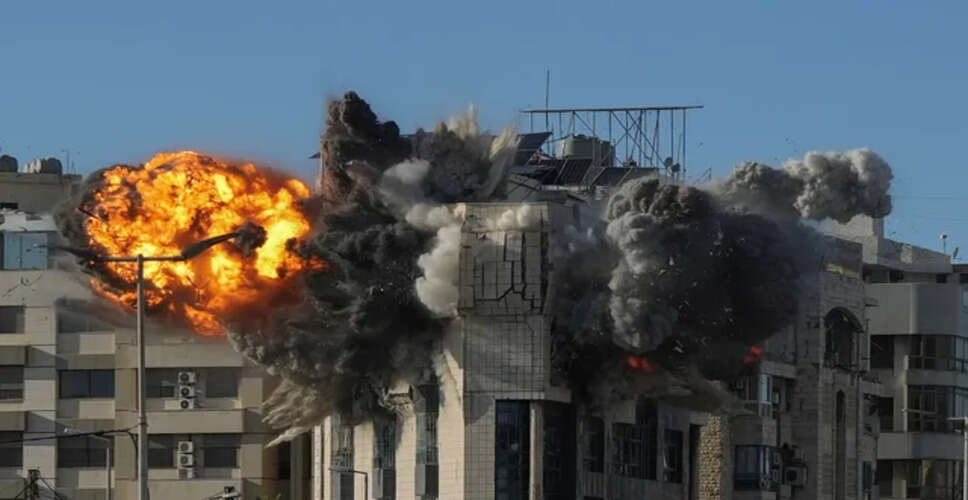

Escalating Tensions in the Gulf
Abu Dhabi/Dubai: Tensions are once again on the rise in West Asia. Recent incidents involving attacks linked to Iran and military activities have significantly escalated security concerns in the Gulf region. Reports indicate that the United Arab Emirates (UAE) has been a primary target, raising international alarm, particularly regarding the potential impact on Dubai's economy and investment climate.
Increasing Security Challenges
Sources reveal that security challenges in Gulf nations have intensified due to recent activities by Iran-affiliated groups and regional conflicts. The UAE, recognized as a major commercial and financial hub in the area, is believed to be particularly affected by these developments.
While the UAE government has officially stated that the situation is under control, security agencies have heightened surveillance in several sensitive areas. Additional security measures have been implemented at ports, oil facilities, and international air routes.
Impact on Dubai's Economy
Dubai is regarded as the economic center of the Middle East, with significant contributions from tourism, real estate, shipping, and international trade. However, the current tensions have raised concerns among investors.
Experts warn that prolonged instability in the region could adversely affect foreign investment, tourism, and business activities. Although Dubai's global markets are closely monitored, escalating geopolitical tensions could increase risk premiums.
Pressure on Oil Markets
The Gulf region is a crucial hub for global oil supply, and any instability directly impacts crude oil prices. Recent developments have already stirred activity in the international oil market.
Analysts suggest that if the situation deteriorates further, it could disrupt the energy supply chain, leading to broader implications for global inflation.
UAE's Security Strategy
In recent years, the UAE has made significant investments in modern defense technologies to bolster the security of its strategic sectors. Continuous upgrades are being made to air defense systems, drone surveillance, and cybersecurity.
The government has also emphasized its capability to respond effectively to any threats or attacks, prioritizing the safety of both citizens and foreign investors.
International Reactions
The global community is closely monitoring these developments. The United Nations and several key nations are urging for a de-escalation of tensions in the region. The United States and European countries have advised their citizens and embassies in the Gulf to remain vigilant.
Experts believe that if diplomatic efforts fail to alleviate tensions, the situation could escalate further.
Looking Ahead
Currently, the situation in the Gulf remains delicate. Countries like the UAE, viewed as models of stability and development, face significant challenges due to such tensions on both economic and political fronts.
While the immediate impact on Dubai's economy is reported to be limited, prolonged geopolitical instability could extend its effects to the global trade network.
The international community's attention is focused on the situation, and diplomatic efforts will play a crucial role in the coming days.