
Rising Fuel Prices Spark Debate Amid Oil Companies' Profits
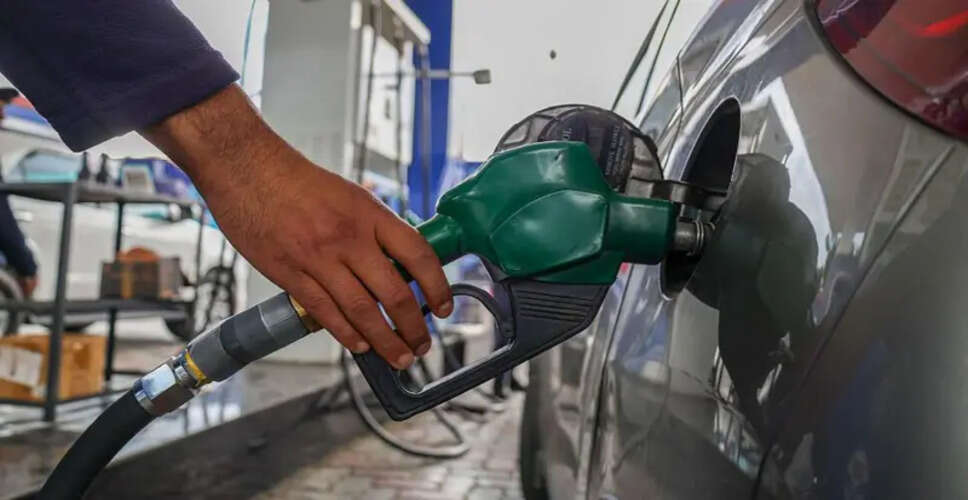

Overview of Fuel Price Concerns
New Delhi: The discussion surrounding petrol and diesel prices has intensified once again in the country. While reports indicate a surge in profits for oil companies, the burden of rising fuel costs continues to weigh heavily on the general public. This raises the question: if companies are making profits, why aren’t consumers seeing any relief?
How Have Oil Companies Increased Their Profits?
According to reports, despite fluctuations in global crude oil prices in recent months, Indian oil marketing companies have managed to generate substantial profits through refining and distribution margins. The companies attribute their improved earnings to price stabilization in the international market and operational efficiencies.
Why Is There No Relief for the Common Man?
Experts point to several significant reasons behind this:
1. Heavy Tax Burden
A considerable portion of petrol and diesel prices is made up of excise duties and VAT imposed by both central and state governments, which drives up the final cost.
2. International Crude Oil Prices
Fluctuations in global crude oil prices directly impact fuel costs.
3. Weakening Rupee
A decline in the value of the rupee against the dollar makes imported crude oil more expensive.
4. Distribution and Logistics Costs
The expenses associated with transporting oil from refineries to pumps also contribute to the overall prices.
Are Oil Companies Solely Responsible?
Experts believe it is not accurate to hold oil companies solely accountable. The final price of petrol and diesel is determined at multiple levels, including international market conditions, tax structures, and government policies.
Impact on the General Public
Rising fuel prices have a direct effect on transportation, food items, and daily necessities. Increased costs for trucks and logistics lead to inflationary pressures in the market, which ultimately affects the consumer's wallet.
Is Relief Possible?
The government has periodically provided relief through measures such as cuts in excise duties or subsidies. However, due to the uncertainties in the global oil market, achieving sustainable relief is considered challenging.
Conclusion
The balance between the rising earnings of oil companies and the increasing burden on the public is a complex issue. Until there is stability in tax structures, international prices, and currency exchange rates, fluctuations in petrol and diesel prices are likely to continue.