
Rising Concerns Over Illegal Brick Kilns in Boko-Chhaygaon Area
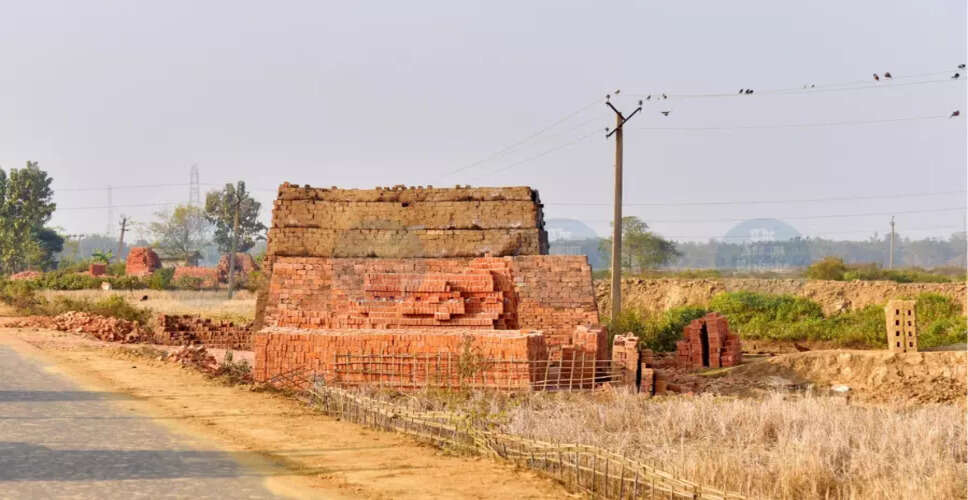
Illegal Brick Kilns Flourish in Kamrup District
Boko, March 3: The Boko-Chhaygaon region in Kamrup district has seen a surge in illegal brick kilns, commonly referred to as Bangla bhata. Areas such as Haribhanga, Ghilabari, and Bamunbari are now home to nearly 500 of these unauthorized operations.
Moreover, several villages within the Nagarbera and Chamaria revenue circles have also reported the emergence of similar kilns.
Despite warnings issued by the offices of the Boko and Samaria revenue circles, these illegal kilns continue to operate unabated.
Community members have voiced their concerns regarding the inaction of local authorities, including the Pollution Control Board and law enforcement agencies.
Residents highlight that the government is missing out on substantial revenue due to these illegal operations.
Each legal kiln is mandated to pay a 12% GST along with land royalties. For instance, a legitimate chimney kiln operator in Boko mentioned that they are required to pay approximately Rs 12 lakh in GST and royalties this year alone.
In stark contrast, illegal kilns evade these financial obligations, resulting in a loss of state revenue.
Reports indicate that each illegal kiln can produce between 5 to 10 lakh bricks per firing cycle. However, no decisive action has been taken by the administration, the Pollution Control Board, the forest department, or the police to dismantle these operations.
These kilns utilize wood, coal, and other materials, emitting thick smoke that contributes to air pollution. Consequently, local residents are experiencing respiratory issues, while the ash produced is linked to skin problems.
The extraction of fertile soil for brick production is also detrimental to agricultural yield and local flora.
On February 8, an attempt was made by the Mandira police outpost, led by officer Rewat Saikia, to demolish illegal kilns in Haribhanga. However, they faced resistance from some locals who even attempted to assault the police.
Concerned citizens are now urging the government to implement stringent measures against these unlawful operations.
Meanwhile, residents of Boko are expressing their dismay at the lack of action from the district administration and the Pollution Control Board. On February 13, Nandan Nilutpal Bhagawati, the officer of the Chamaria revenue circle, sealed two kilns (BKB and NKB) for not renewing their documents with the Pollution Control Board.
Citizens are questioning why the administration enforces documentation requirements on licensed chimney kilns while neglecting to shut down the continuously polluting illegal Bangla bhatas.