
Rising Anxiety Among Indian Flyers Amidst Recent Aviation Incidents
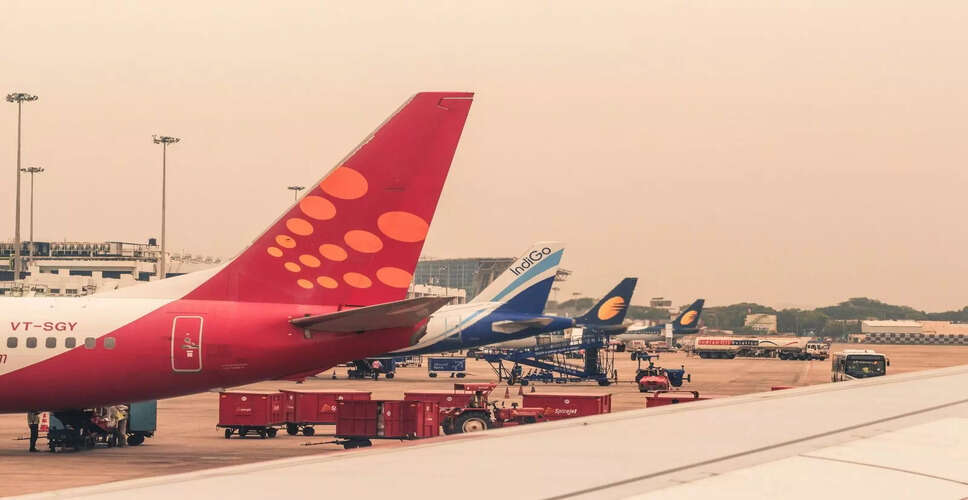
The Changing Landscape of Air Travel
Flying used to evoke a sense of excitement and glamour, but now it resembles a game of chance. The tragic event involving the Air India flight from Ahmedabad to London on June 12 has heightened national anxiety, intensifying public fears surrounding air travel.
The situation has deteriorated to the extent that even minor delays, which were once commonplace, are now met with suspicion. This is evident in the weary expressions of passengers at boarding gates, who frequently check flight status updates.
Conversations among travelers reflect this unease: "Did you hear about that crash?" and "What if it happens to us?" Even seasoned flyers are shifting from a sense of confidence to cautious optimism or outright dread.
In recent days, the Indian aviation sector has faced a barrage of technical issues, emergency landings, and mid-air scares.
Numerous airlines have canceled flights due to various operational and technical challenges. For example, Air India canceled 83 wide-body flights between June 12 and 17, including 66 Boeing 787 services, as confirmed by the Directorate General of Civil Aviation (DGCA) on June 17.
Passengers are understandably anxious, and it's not just Air India under scrutiny. On June 17, an IndiGo flight from Goa to Lucknow encountered unexpected turbulence. While turbulence is common during the monsoon season, the sudden jolt at 30,000 feet can be alarming.
Fortunately, the flight landed safely, and the airline assured that all protocols were followed. However, the timing was particularly unfortunate during an already tense travel week.
Adding to the anxiety was a bomb scare on June 17 involving an IndiGo flight from Kochi to Delhi, which had to make an emergency landing in Nagpur following an email threat. All 157 passengers and 6 crew members were evacuated, and the aircraft was thoroughly inspected, ultimately revealing the threat to be a hoax. Yet, the hour of uncertainty was palpable for those on board.
Returning to Air India, the shadow of the recent crash looms large. Since that incident, multiple flights have reported mid-air issues, including engine malfunctions and landing gear problems.
Affected routes included flights from Ahmedabad to London, Delhi to Ranchi, and a San Francisco to Mumbai service that required all passengers to deplane in Kolkata due to engine troubles during a technical stop.
A Guwahati to Kolkata flight kept passengers onboard past midnight on June 15, only to delay them again due to similar issues. Although the aircraft was eventually replaced, trust in the system has been shaken.
Mechanical failures are a reality, and unpredictable weather is part of flying. In a country like India, with thousands of flights daily, some disruptions are to be expected. However, the current atmosphere feels different — it’s not just turbulence, but a palpable tension.
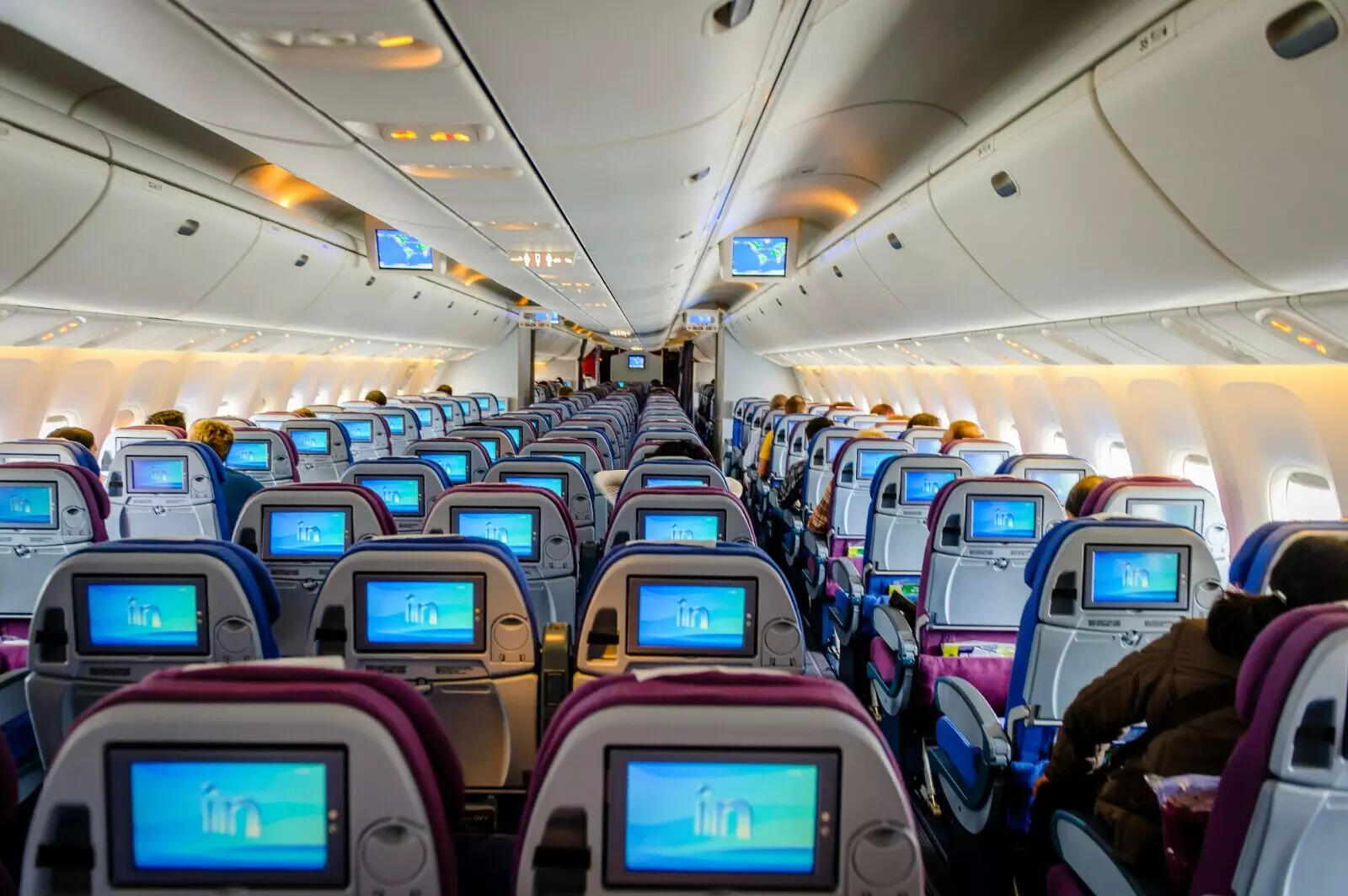
Numerous flights have reported mid-air issues, including engine malfunctions and landing gear problems.
What’s Behind the Current Crisis?
Part of the issue is perception; serious incidents occurring in close succession amplify fears. Additionally, there is a growing sentiment that airlines are overstretched.
Longer routes with tighter turnaround times, crews working extended shifts, and aging aircraft contribute to the current turbulence, compounded by airspace closures due to conflicts and unpredictable weather.
However, a significant lack of transparency exists. Airlines typically issue vague statements like, "We regret the inconvenience," or "All passengers are safe," without providing substantial information.
Passengers seek reassurance that their aircraft has undergone thorough inspections and is safe to fly, not just that their meals will be served warm.
A former airline employee once remarked that the term "technical" is often used as a catch-all for any delay or issue. Airlines tend to withhold detailed information from passengers, fearing it may incite panic.
Trust is the foundation of aviation. Passengers place their faith in the safety of the aircraft, believing that every component is secure and every emergency has a contingency plan. When that trust falters, the entire flying experience is compromised.
It is imperative for the airline industry to enhance not only safety protocols but also communication with passengers. They must inform travelers about ongoing issues, the steps being taken to resolve them, and why they should feel secure in the skies once more.
Currently, for many Indian travelers, booking a flight feels less like an adventure and more like a gamble. This is a risk that cannot be overlooked.