
Reviving a Controversial Political Satire: The Legacy of Kissa Kursi Ka
A Notorious Chapter in Indian Cinema
The Emergency period in India is marked by significant censorship, with one of the most infamous instances being the suppression of Amrit Nahata’s film, Kissa Kursi Ka. This political satire, aimed at the Indira Gandhi administration, was completed in April 1975 but never saw the light of day due to the destruction of all prints on the orders of Vidya Charan Shukla, the then Information and Broadcasting Minister and an ally of Sanjay Gandhi.
A Second Chance for Kissa Kursi Ka
After the Emergency, Nahata, who had shifted from the Congress to the Janata Party, remade the film in 1978, keeping the original script and most of the cast intact. His son, Rakesh Nahata, is now working on Kissa Kursi Ka 3, which will delve into the excesses of Indira Gandhi's regime and the circumstances surrounding the original film's censorship. "I hold the movie rights and have a script that will explore both the destruction of my father's film and the actions of Sanjay Gandhi and Vidya Charan Shukla," Rakesh stated.
The Film's Content and Impact
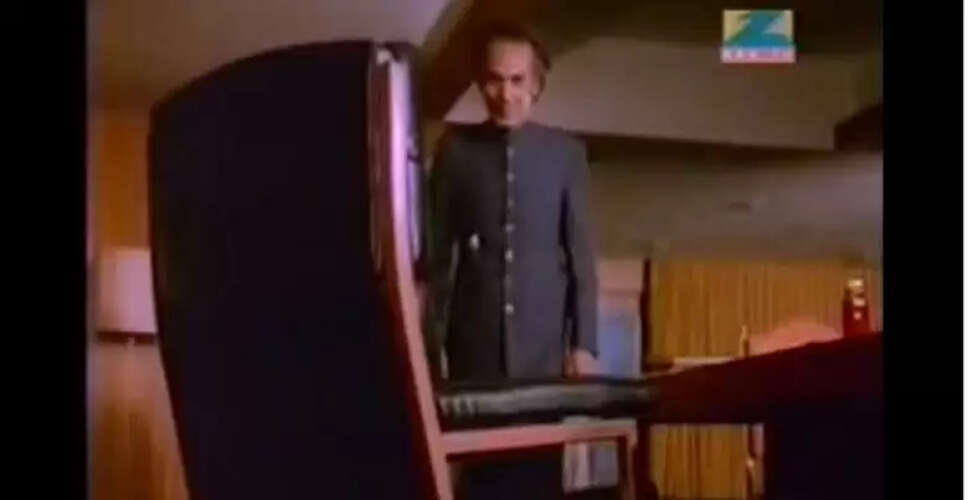
Kissa Kursi Ka portrays the political elite as corrupt and power-hungry. It features characters that are thinly veiled representations of real-life figures, including Sanjay Gandhi and his associates. The film follows Gangaram, played by Manohar Singh, a naive political figure who, after consuming a tonic, begins to make revolutionary proclamations. His journey from incompetence to a thirst for power is central to the narrative.
Challenges After the Emergency
Following Indira Gandhi's defeat in the 1977 elections, Nahata was finally able to release the remade version of Kissa Kursi Ka. However, it faced its own hurdles, as the Central Board of Film Certification mandated numerous cuts, despite a more lenient political climate. Rakesh Nahata noted that the film only ran for a week due to its lack of commercial appeal, despite its topical relevance.
Uncovering the Truth Behind the Censorship
Rakesh Nahata, who was a teenager during the original film's controversy, has dedicated years to uncovering the truth about the destruction of his father's work. He has filed Right to Information petitions and claims to have accessed a Central Bureau of Investigation report confirming the destruction of all prints. He alleges that the prints were transported to Delhi and incinerated at a Maruti factory, despite a Supreme Court ruling against such actions.
Hope for Justice
With the current Bharatiya Janata Party-led government, Rakesh has renewed hope for compensation for his family's loss. He has reportedly received assurances from the Minister of State for Information and Broadcasting, Rajyavardhan Rathore, regarding his petition. Rakesh questions the ongoing relevance of a film about past political figures, suggesting that the title Kissa Kursi Ka continues to resonate in contemporary political discourse.