
Revival of Roophar: A Cultural Journey Through Mystery and Suspense
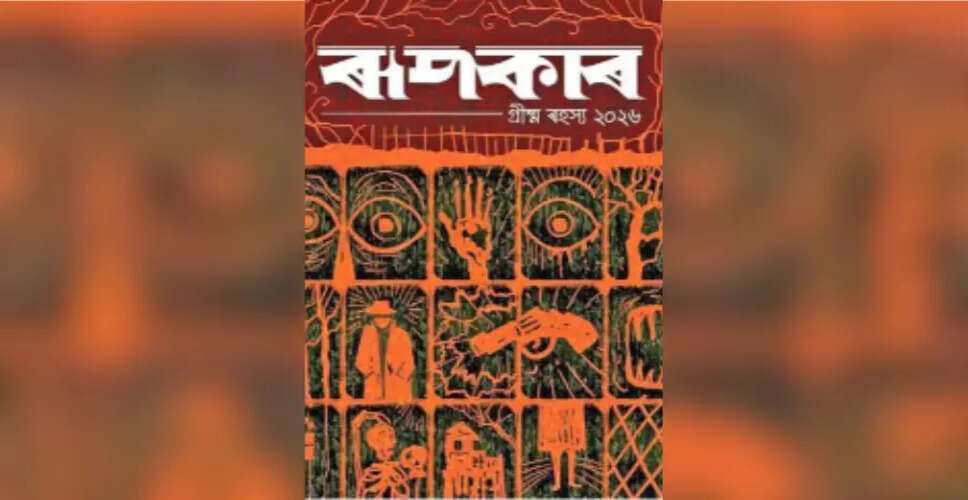

The Return of Roophar
The 2026 edition of Roophar signifies more than just a magazine release; it symbolizes the revival of a cultural heritage that once played a pivotal role in shaping Assam's artistic and intellectual landscape.
This annual Assamese literary magazine, under the editorship of filmmaker and author Prodyut Kumar Deka and published by Roopkar Prakashan, is back this year with a unique Mystery Edition.
With a total of 260 pages and an affordable price of two hundred rupees, this issue, set to launch in April 2026, serves as a homage to the art of storytelling while catering to the readers' thirst for intrigue, suspense, and introspection through literature and cinema.
Exploring the Mystery Edition
The Mystery Edition features a diverse array of creative pieces that delve into various aspects of suspense. It includes short stories, novellas, and film scripts that intricately weave tales of intrigue and psychological tension.
Each narrative showcases the creative prowess of writers who recognize that mystery transcends mere hidden secrets or surprising conclusions. It encompasses human emotions, ethical dilemmas, and the delicate balance between reality and illusion.
Through these narratives, readers embark on journeys where questions often outlast answers, and the excitement of discovery transforms into a deeply personal experience.
Cinematic Reflections
In addition to fiction, the issue offers insightful analyses of the cinematic traditions that have influenced the mystery and suspense genres.
One segment reflects on Assamese suspense films and their role in regional storytelling. Despite its smaller scale compared to larger film industries, Assamese cinema has consistently showcased a distinct narrative style.
By examining suspense films from Assam, the magazine aims to illustrate how filmmakers have utilized tension, atmosphere, and human drama to captivate audiences. These reflections not only honor past accomplishments but also inspire future storytellers to approach the genre with fresh creativity.
Bollywood and Beyond
Another feature investigates the legacy of mystery and thriller cinema in Bollywood. Over the years, Hindi cinema has explored suspense in various forms, from psychological thrillers to detective stories.
By revisiting this cinematic tradition, the magazine positions Assamese storytelling within a wider cinematic context, reminding readers that suspense as a genre resonates across languages and cultures.
The discussion also emphasizes how narrative techniques, plot twists, and visual aesthetics enhance the emotional impact of mystery films.
Celebrating Horror and Espionage
The special issue includes an intriguing segment on the Ramsay Brothers, who were pioneers in India's horror film industry. Their films, often made with limited resources yet abundant creativity, have left a significant mark on Indian popular culture.
By revisiting their journey, the magazine acknowledges the evolution of horror and suspense genres in India through innovation and passion.
Equally captivating is the comprehensive overview of the James Bond film series, a hallmark of global espionage storytelling.
The James Bond films embody a unique fusion of suspense, adventure, and cinematic grandeur. By exploring this iconic franchise, the magazine encourages readers to reflect on how international narratives of mystery and espionage have influenced audiences in India and beyond, connecting Assamese readers with global cinematic traditions while highlighting the universal allure of suspense narratives.
A Cultural Legacy
The revival of Roopkar holds profound emotional significance, as the magazine has a notable place in Assam's cultural history. First launched in 1975, it was the first Assamese language tabloid dedicated to cinema, theater, and cultural life.
Founded and edited by journalist and humorist Pabitra Kumar Deka, it quickly became one of the most influential entertainment publications in the Northeast.
Its advisory panel featured cultural icons like singer and composer Bhupen Hazarika and esteemed writer Nirode Choudhury, reflecting the magazine's intellectual prominence during its early years.
Impact on Assamese Culture
For nearly two decades, Roopkar served as a vibrant platform for dialogue and creativity. Published monthly, it captured the essence of Assamese cinema and theater during a time when regional cultural journalism was still developing.
The magazine also established the Roopkar Awards in 1975, which became the first popular film awards in Assam, fostering artistic excellence and instilling pride in the regional film industry.
Many emerging journalists found their voice within Roopkar's pages, with contributors like Arun Lochan Das providing insightful articles and critiques that shaped public perceptions of cinema.
A New Chapter
In addition to cultural reporting, it featured literary works by notable authors, including Padma Borkotoki and Lakshmi Nandan Bora, whose social novels enriched the magazine's narrative depth.
Regular columns by Bhupen Hazarika and Lakshmi Nandan Bora further enhanced its intellectual appeal, making Roopkar a lively hub for literature, cinema, and social commentary.
The magazine eventually ceased publication in the early 1990s, leaving behind a legacy cherished by readers and cultural enthusiasts. However, its influence continued to resonate in the memories of those who grew up with it.
Recognizing the emotional and cultural importance of this legacy, filmmaker and author Prodyut Kumar Deka, the founder's son, revived the publication in 2025 to celebrate its 50th anniversary.
The revived edition was envisioned as an annual special issue that would honor the past while documenting the evolving narrative of Assamese culture.
The 2026 Mystery Edition embodies this vision, illustrating that cultural institutions do not vanish when they stop publishing; they persist in collective memory, awaiting a moment of renewal. By resurrecting Roopkar, the new editorial team has revitalized not just a magazine but a tradition of meaningful cultural engagement.