
Resilience and Remembrance: The Sarkar Family's Journey in Goreswar

A Day of Horror in Goreswar
Goreswar, Nov 18: On February 18, 1983, a young Samiran Sarkar, armed with a matchbox, moved from one home to another, igniting flames as chaos erupted in Goreswar.
At just 16 years old, he set fire to multiple houses, appearing to be part of the rioting crowd. However, his actions were driven by a desperate need to protect his family.
While their home burned, Samiran focused on ensuring the safety of his five family members, guiding them to the Goreswar Railway Station, a place he believed would offer refuge.
“I pretended to join the mob to avoid suspicion, and it worked,” he recounted, sharing his traumatic experience.
What should have been a day of Saraswati Puja turned into a nightmare, as the Sarkar family witnessed the destruction of Bengali homes across 27 villages in Goreswar.
That day, many lives were lost, including 14 from a single family, leaving countless others without shelter.
Rebuilding from Ashes
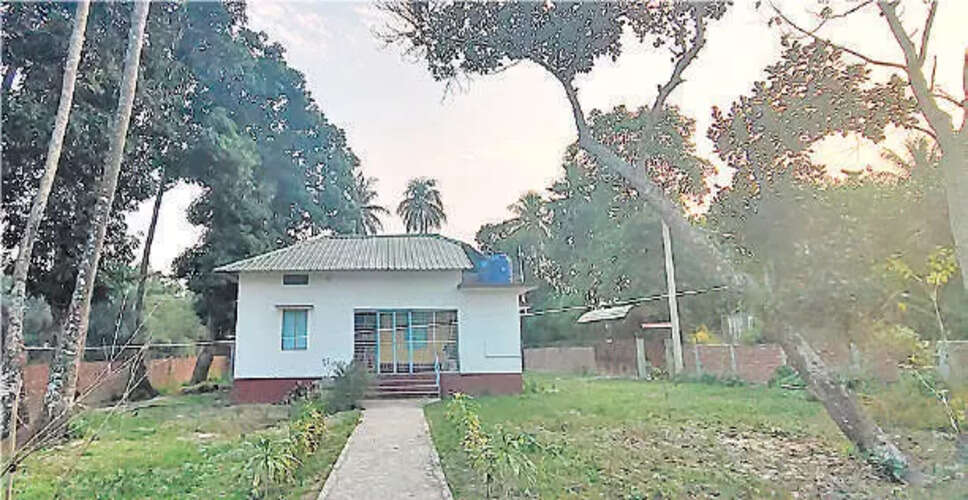
Nearly four decades later, the Sarkar siblings have constructed a new home on the site of their former residence, naming it ‘Sachindralay’ in honor of their father, Dr. Sachindra Kumar Sarkar, who steadfastly held the family together.
This new house symbolizes more than just a structure; it stands as a testament to their memories, once buried beneath the ruins.
The family's history in Goreswar dates back to their migration from Mymensingh, now in Bangladesh, during the Partition of 1947, eventually settling in Silkijhar.
Even before the violence of 1983, they faced challenges, including an incident in 1960 when their home was vandalized, forcing them to flee to the Barnadi river.
Despite these hardships, their father insisted they remain, often reminding them in Assamese that losing one’s birthplace equates to losing one’s dignity.
Acts of Courage Amidst Chaos
On that fateful day in 1983, an Assamese boy from the village bravely moved through the chaos, warning residents to escape, ultimately saving many lives, even as some from the same community participated in the violence.
In the aftermath, narratives surrounding the violence were manipulated, suggesting that Bengali residents had attacked indigenous people.
For the Sarkar family, the tragedy extended beyond the loss of their home; it represented the obliteration of their childhood memories and sense of belonging.
Alpana Sarkar Deka, who graduated in Assamese literature in 1979 with top marks, lost her marksheet in the fire but persevered to become a beloved lecturer at Bikali College in Goalpara.
She views Sachindralay as a symbol of their resilience and hope, honoring their father's belief that leaving one's birthplace means losing something invaluable.
A New Beginning
Today, where destruction once reigned, Sachindralay stands not as a denial of the past but as a quiet assertion that it will not define their future.
During the inauguration of Sachindralay, Samiran once again held a matchbox, this time lighting a ceremonial lamp, symbolizing that some flames can illuminate rather than consume.