
Republican Party Divided Over US-Iran Peace Agreement Details
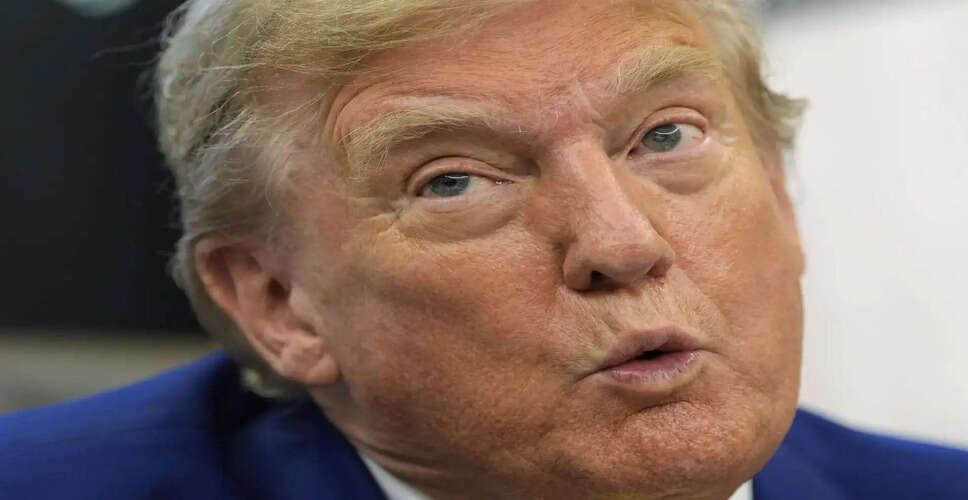

GOP Reactions to the US-Iran Peace Framework
Republican leaders have expressed increasing skepticism regarding the preliminary US-Iran peace agreement after the emergence of a 14-point memorandum of understanding. Several GOP members have publicly criticized the deal, suggesting it could inadvertently bolster Tehran's position. A senior US official disclosed parts of the agreement to the media, revealing significant elements such as temporary waivers on oil sanctions, a proposed $300 billion fund for reconstruction, and softened language concerning the strategic Strait of Hormuz.
This revelation sparked immediate backlash from prominent Republicans, who contend that the framework grants Iran economic and strategic advantages without adequate concessions related to its nuclear ambitions. Retiring Senator Bill Cassidy (R-La.) voiced strong opposition, stating, “Reagan would be turning in his grave. Iran's nuclear aspirations remain unchecked, and they have learned that threatening the Strait of Hormuz is effective and will likely use it to their advantage in the future.” Cassidy, who recently lost his primary election, labeled the agreement as “the worst foreign policy mistake in decades,” asserting that Iran would gain disproportionately from the sanctions relief and reconstruction funding.
He cautioned that the deal would enable Tehran to enhance its infrastructure while maintaining control over global energy routes, warning that the implications of the conflict and the easing of sanctions would be extensive. Even prior to the full disclosure of the 14-point memorandum, the proposal faced pushback from various Republicans, many of whom questioned whether the agreement sufficiently limited Iran's nuclear and regional ambitions.
Former Republican presidential candidate Nikki Haley also condemned the deal, arguing that Iran would likely utilize any financial relief to bolster its military and proxy networks. She remarked that the regime “chants death to America” and cautioned that billions in released funds could be diverted towards destabilizing efforts. Former Vice President Mike Pence echoed similar sentiments, describing the framework as reminiscent of past negotiations with Iran that he characterized as “appeasement.”
However, not all Republicans shared a uniformly critical view. Senator Lindsey Graham (R-S.C.) indicated a shift in his stance after discussions with special envoy Steve Witkoff, suggesting that the deal might help reduce tensions and enhance global energy stability. Graham tweeted about his productive conversation, stating, “After this discussion, I believe signing the MOU will be advantageous for the United States, as it may lead to the opening of the Strait of Hormuz and a cessation of hostilities with Iran.”
He acknowledged ongoing concerns regarding Iran's long-term intentions but suggested that the agreement could pave the way for broader regional stability if implemented and verified correctly. Other Senate Republicans, including Senators Susan Collins (R-Maine) and Mike Rounds (R-S.D.), opted to reserve judgment, indicating they needed to review the complete text before forming an opinion. This debate highlights the growing divisions within the GOP regarding Trump's foreign policy strategy, as the administration presents the memorandum as a stepping stone toward a more comprehensive nuclear and security agreement.
Vice President JD Vance, a pivotal figure in the negotiations, emphasized that any advantages for Iran would be contingent upon adherence to the agreement's terms. Meanwhile, President Donald Trump maintained a lighter demeanor at the G7 summit, quipping, “If it works out, I’ll take the credit. If it doesn’t, I’m blaming JD.”