
Remembering the Jallianwala Bagh Massacre: A Day of Reflection
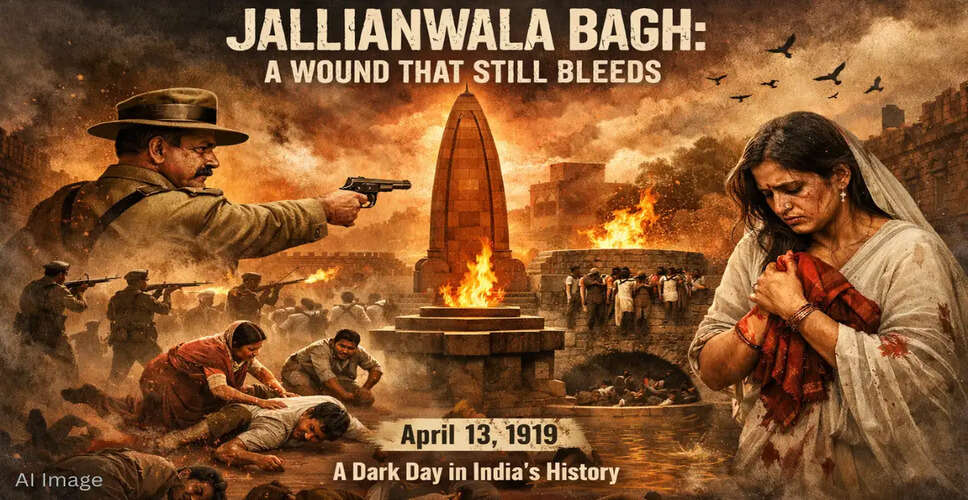

A Day That Changed India Forever
Atul Thakur
Sarkaghat
April 13, 1919—this date marks a profound moment in Indian history, a painful reminder of the Jallianwala Bagh massacre. Each year, as we observe this anniversary, we are compelled to confront the haunting memories that linger. The memorial in Amritsar stands as a testament to the past, yet the ground still resonates with the anguish and despair of that tragic day.
On this day, known as Baisakhi, families gathered in celebration, while others peacefully protested against the oppressive Rowlatt Act. No one could foresee that this joyful occasion would soon morph into one of the most horrific events of colonial oppression.
As dusk approached, General Dyer entered with his troops. Without any warning or opportunity for the crowd to disperse, he commanded his men to open fire. Bullets struck men, women, and children trapped within the confines of the garden. In a frenzy, people attempted to flee, but the only escape route was obstructed by soldiers. Within moments, the atmosphere shifted from celebration to silence, and Jallianwala Bagh was transformed into a site of mourning.
The chilling image of the “Martyrs’ Well” remains etched in memory, where countless individuals leaped in a desperate bid for survival. This well still exists today, silent yet echoing the terror of that day. The bullet marks on the walls serve not merely as historical artifacts but as vivid reminders of the violence endured.
The precise number of casualties remains a contentious issue. British accounts minimized the figures, while Indian reports indicated significantly higher losses. This discrepancy highlights an ongoing struggle to acknowledge the truth.
The massacre was not just a singular event; it marked a pivotal moment in India’s quest for independence. It sparked a nationwide movement of resistance, fortifying the determination for freedom. Beyond the political implications, it was a profound human tragedy—families torn apart, children left without parents, and mothers forever mourning their losses.
Today, the eternal flame at Jallianwala Bagh serves as a reminder that sacrifices made are never in vain. Each April 13, people gather to honor those who suffered. However, true homage lies not only in remembrance but in learning from our past. The massacre serves as a stark warning that tyranny can lead to the loss of humanity.
Jallianwala Bagh transcends being just a location; it embodies an emotion, a reminder, and a question that challenges our conscience:
Have we genuinely grasped the significance of that sacrifice?
Atul Thakur