
Remembering the 26/11 Mumbai Terror Attacks: A Day of Tragedy and Resilience
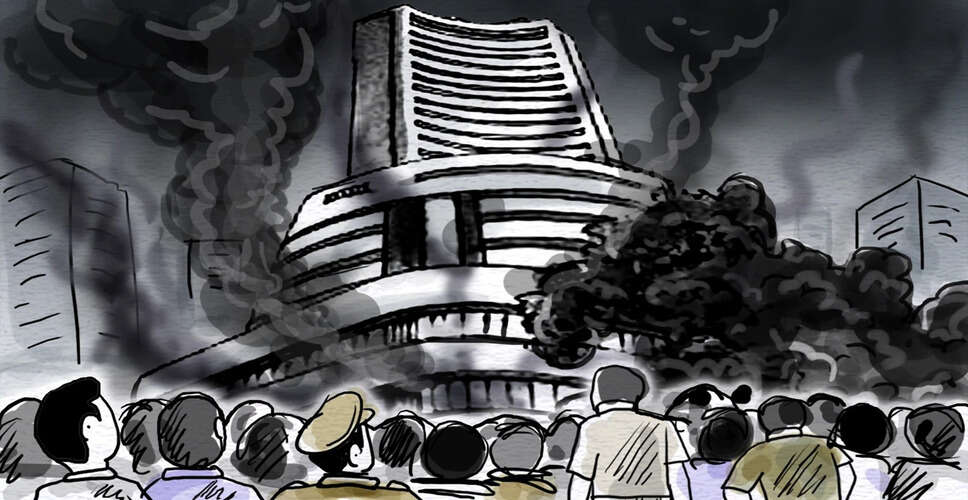
A Day That Changed India Forever
The tragic events of November 26, 2008, marked a turning point in India's history, as the nation faced an unprecedented terrorist attack. This day is forever etched in the memories of many, symbolizing not just loss but also the resilience of the human spirit. The attack, executed by ten terrorists, sent shockwaves through Mumbai and the entire country, leaving a lasting impact that continues to haunt the city.
The Attack Unfolds
On that fateful day, the city was gripped by terror as the attackers unleashed chaos across various locations, including the iconic Taj Mahal Palace Hotel and Chhatrapati Shivaji Maharaj Terminus. For 60 harrowing hours, the sound of gunfire echoed through the streets, as security forces bravely fought to neutralize the threat.
The Arrival of Terrorists
The assault began three days prior, on November 23, when the terrorists infiltrated Mumbai via the sea from Karachi. They commandeered an Indian fishing trawler, killing four crew members before reaching the city.
Suspicion Ignored
Local fishermen, noticing the unusual behavior of the attackers upon their arrival, alerted the police. Unfortunately, their concerns were not taken seriously, allowing the terrorists to proceed with their plans.
Chaos at CST Station
At approximately 9:10 PM, panic erupted at Chhatrapati Shivaji Maharaj Terminus as gunfire rang out, claiming the lives of 52 individuals. Amidst the chaos, one of the attackers, Ajmal Kasab, was captured alive.
Terror at the Taj Hotel
The attackers took control of the Taj Hotel, holding numerous guests hostage, including foreign nationals. The ensuing battle between the terrorists and security forces lasted for days, filled with moments of hope and despair.
Oberoi Hotel Under Siege
The Oberoi Hotel, a popular destination for business travelers, also fell victim to the assault. The attackers took hostages, leading to a tragic loss of life.
Neriman House and Leopold Cafe Attacks
At Neriman House, two terrorists wreaked havoc, taking hostages before being neutralized by security forces. Similarly, at Leopold Cafe, gunfire resulted in multiple casualties, showcasing the widespread terror inflicted by the attackers.
Bravery of the NSG
The National Security Guard (NSG) was tasked with countering the attack, demonstrating remarkable bravery over the course of the operation. Ultimately, nine terrorists were killed, while Ajmal Kasab was captured and later executed.
Enhanced Coastal Security
In response to the attack, the Indian government took significant measures to bolster coastal security, assigning the Navy the responsibility of safeguarding the nation's shores, with the Coast Guard providing assistance.