
Record Voter Turnout in Tamil Nadu and West Bengal Assembly Polls: What You Need to Know

High Voter Engagement in Tamil Nadu and West Bengal
Chennai/Kolkata: On Thursday, voter participation in the Assembly elections of Tamil Nadu and West Bengal saw a remarkable increase, with both states reporting impressive turnout figures by 5 PM.
In Tamil Nadu, the turnout reached an impressive 82.24% across 234 constituencies, surpassing the previous record of 78.29% set in 2011. Meanwhile, West Bengal reported a turnout of 89.93% during the first phase of polling, with expectations of further increases as voting continued until 6 PM.
The electorate in Tamil Nadu comprised 5.73 crore voters, a decrease from 6.41 crore due to the Special Intensive Revision (SIR). Salem district led the way with a turnout of 88.02%, while Chennai recorded 81.34%, Coimbatore 82.33%, Tiruchirappalli 82.76%, and Madurai 77.89%.
In the Kolathur constituency of Chennai, where Chief Minister M.K. Stalin is a candidate, the turnout was 83.58% by 5 PM. Tiruchirappalli East, where Tamilaga Vettri Kazhagam leader Vijay is contesting, saw a turnout of 79.32%.
West Bengal's polling took place in 152 constituencies across 16 districts, with nearly 3.60 crore eligible voters. Dakshin Dinajpur achieved the highest turnout at 93.12%, with significant participation also noted in Murshidabad, Bankura, and Cooch Behar.
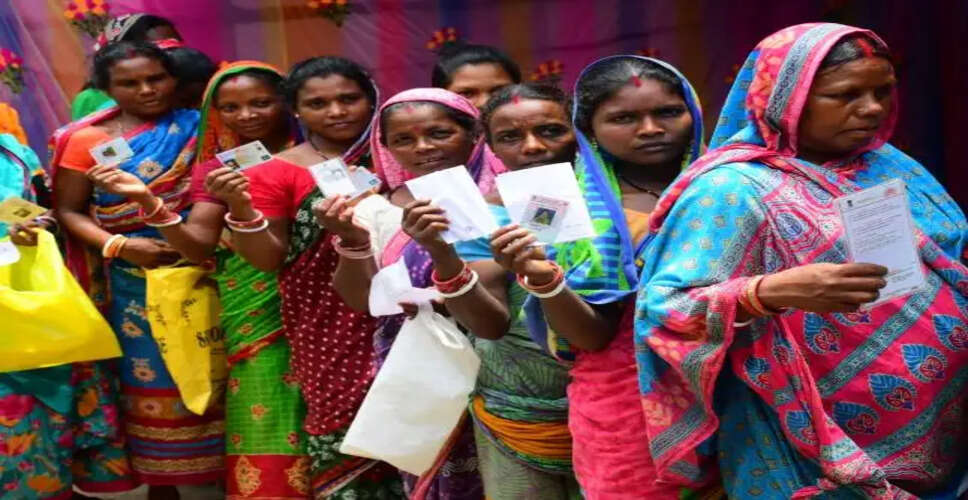
Long lines formed outside polling stations in both states, indicating strong voter interest in these crucial elections. In West Bengal, turnout steadily increased throughout the day, surpassing 62% by early afternoon.
Despite the high turnout, West Bengal experienced sporadic incidents of violence, intimidation, and reported assaults on candidates and polling agents. The Election Commission described the polling as 'largely peaceful' but requested reports on various incidents from several districts.
Tensions were noted in areas such as Birbhum, Murarai, and Domkal, with complaints about clashes between party workers and allegations of voter obstruction and EVM issues. The commission received numerous complaints through official channels.
Officials and analysts credited the high turnout in both states to effective political mobilization, while in Bengal, the Special Intensive Revision played a significant role by reducing the electorate by over 90 lakh names, making the turnout figures a topic of political discussion.