
Recognizing Heart Attack Symptoms: What You Need to Know
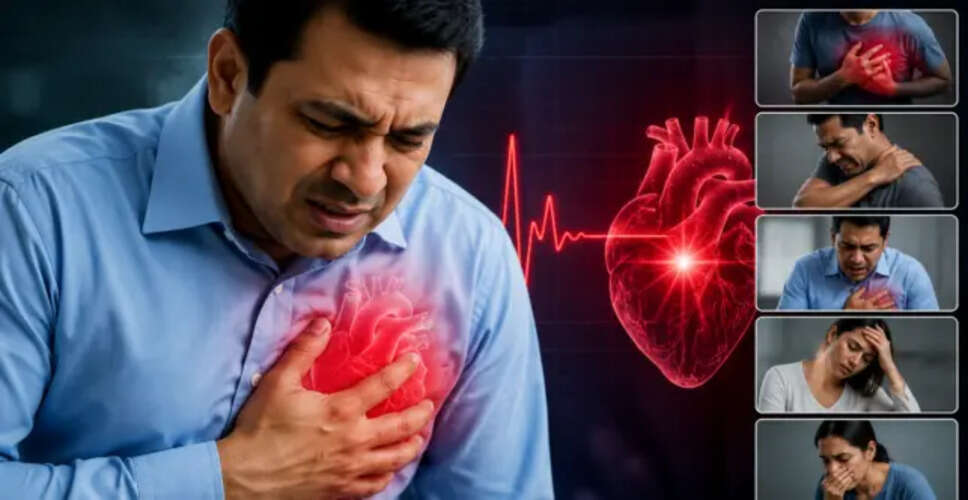

Warning Signs of a Heart Attack
Heart Attack Warning Signs: A heart attack is a critical medical emergency, and its symptoms can vary significantly from person to person. In some cases, symptoms may appear suddenly and intensely, while in others, they may start with mild discomfort. According to the American Heart Association, signs such as chest discomfort, pain in the upper body, shortness of breath, nausea, cold sweat, and dizziness should not be ignored.
Pressure or Pain in the Chest
The most common warning sign of a heart attack is pain or discomfort in the center of the chest. This sensation may not only manifest as sharp pain but can also feel like pressure, tightness, heaviness, or squeezing. This discomfort can last for several minutes or may come and go.
Pain Radiating to Arms, Back, or Neck
During a heart attack, discomfort is not limited to the chest area. Pain or discomfort may also be felt in one or both arms, the back, neck, shoulders, stomach, or jaw. Therefore, any sudden and unusual pain in the upper body should be taken seriously.
Don't Ignore Jaw Pain
Some individuals may experience pain or pressure in the jaw or neck during a heart attack. Especially if accompanied by chest discomfort or shortness of breath, this should not be dismissed as a dental issue or general pain.
Sudden Shortness of Breath
Unexplained shortness of breath can also be a warning sign of a heart attack. This may occur with or without chest pain. If someone experiences sudden difficulty in breathing, it is crucial to seek medical assistance immediately.
Cold Sweat
Sudden cold sweating is another potential warning sign. Particularly if it occurs alongside chest pressure, shortness of breath, dizziness, or nausea, it should not be taken lightly.
Nausea and Stomach Discomfort
During a heart attack, some individuals may experience nausea, stomach discomfort, or indigestion. While these symptoms are not always indicative of a heart attack, if they appear suddenly with other warning signs, medical evaluation is essential.
Dizziness or Unusual Weakness
Feeling dizzy, lightheaded, or experiencing sudden unusual fatigue can also be potential symptoms. Women may exhibit less recognized symptoms during a heart attack, such as unusual fatigue, weakness, shortness of breath, nausea, and discomfort in the back or jaw.
Symptoms Vary from Person to Person
It is important to understand that heart attack symptoms can differ among individuals. Some may have very clear symptoms, while others may experience mild or unusual signs. Occasionally, symptoms may diminish for a while and then return. Therefore, it is not advisable to wait based solely on the intensity of the pain.
Don't Confuse Gas with a Heart Attack
Often, people mistake chest or stomach discomfort for gas or acidity. The issue is that heart-related problems can sometimes feel like indigestion or stomach upset. Therefore, if there is unusual pressure or pain in the chest along with shortness of breath, sweating, nausea, dizziness, or discomfort in the arms or jaw, it should not be dismissed as mere gas.
Seek Immediate Medical Help
If someone exhibits potential signs of a heart attack, it should be treated as a medical emergency, and local emergency medical services should be contacted immediately. According to the American Heart Association, prompt medical assistance is crucial, as timely treatment can significantly reduce the risk of serious damage.
Important Note
These symptoms do not always indicate a heart attack, and self-diagnosis based solely on symptoms is not advisable. However, if symptoms such as chest pressure/pain, shortness of breath, cold sweat, dizziness, nausea, or unusual pain in the jaw/hands occur suddenly, the safest option is to seek medical help immediately.