
Recognizing Heart Attack Symptoms: Key Signs to Watch For
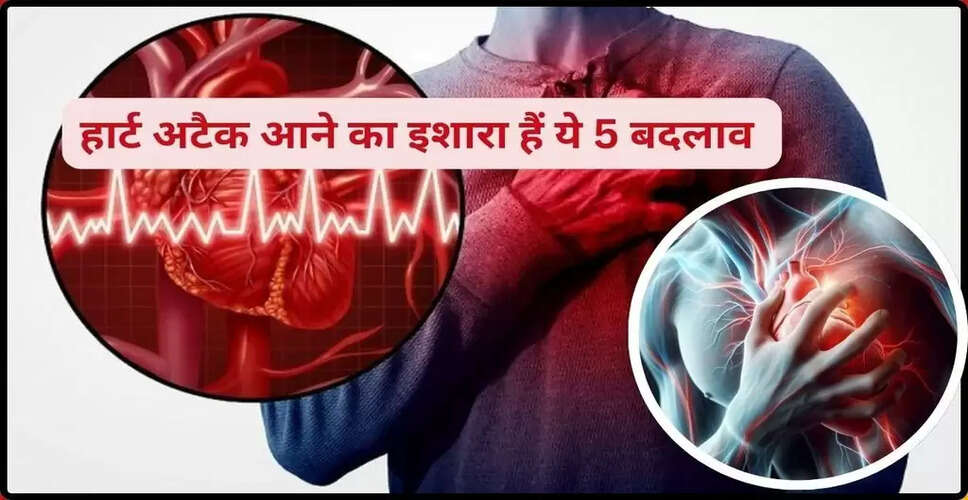

Understanding the Rise in Heart Attack Cases
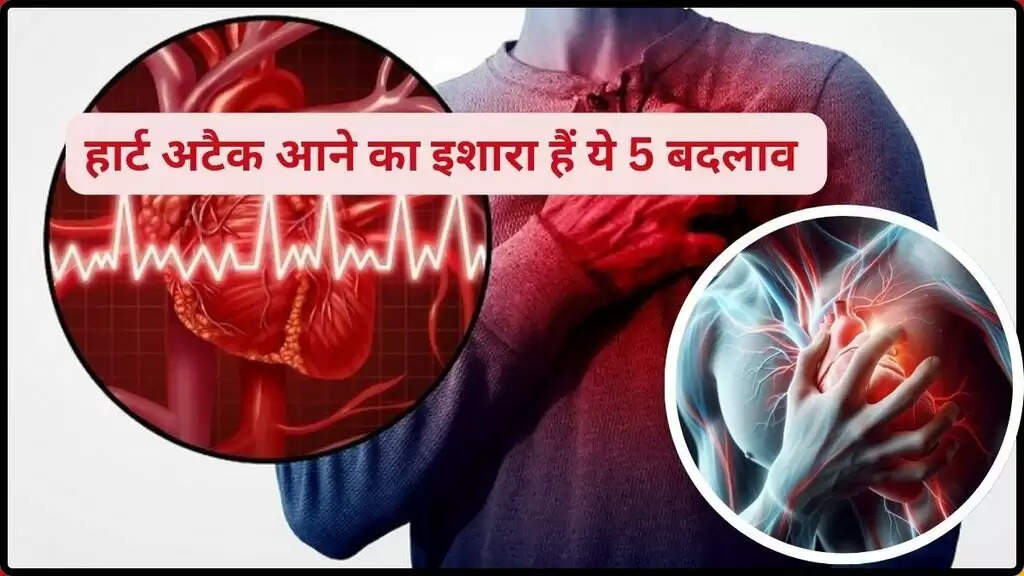
In recent years, there has been a notable increase in heart attack incidents, particularly affecting younger individuals. Major contributing factors include unhealthy diets, smoking, stress, lack of sleep, and physical inactivity. According to the World Health Organization (WHO), approximately 18 million people die from heart diseases annually worldwide, with a significant portion attributed to heart attacks. Experts emphasize that timely treatment within the first hour, known as the golden hour, can save thousands of lives.
What Causes a Heart Attack?
A heart attack occurs when blood flow to the heart muscle is suddenly reduced or blocked. This obstruction is often due to the buildup of fatty deposits, cholesterol, and calcium in the arteries. When these deposits harden and restrict blood flow, the heart muscle may not receive enough oxygen, leading to damage or death of heart tissue.
Common Signs Before a Heart Attack
According to WebMD, common symptoms preceding a heart attack include pressure or pain in the chest that may radiate to the shoulders, jaw, or arms. Healthline notes that our bodies can exhibit warning signs as early as a month before a heart attack. Let’s explore the symptoms that may indicate an impending heart attack.
Chest Pain or Pressure
One of the most prevalent signs before a heart attack is discomfort in the chest. This sensation can feel like pressure, tightness, or burning. Often mistaken for heartburn, the pain can extend to the shoulders, neck, jaw, and arms. This occurs when the heart does not receive enough oxygen-rich blood due to narrowed arteries. The discomfort can happen at rest or during physical exertion or stress. It’s crucial not to ignore this symptom and seek medical attention immediately.
Unexplained Fatigue
Persistent fatigue that does not improve with rest may signal heart issues. This happens when the heart struggles to pump blood effectively, resulting in insufficient oxygen reaching the body’s organs and muscles. Do not dismiss ongoing fatigue; consult a doctor promptly.
Shortness of Breath
Experiencing shortness of breath during light activities, such as walking or climbing stairs, can indicate heart problems. When the heart weakens, fluid may accumulate in the lungs, making breathing difficult. If this symptom occurs alongside chest pressure, it can be particularly alarming.
Dizziness
A decrease in the heart's ability to pump blood can lead to inadequate oxygen supply to the body and brain, resulting in frequent dizziness, lightheadedness, or fainting. These symptoms may worsen with sudden movements or changes in body position. If you notice such signs, contact a healthcare professional immediately.
Irregular Heartbeat
An unusually fast, slow, or irregular heartbeat can also be a warning sign before a heart attack. While it may feel like mere anxiety, it could indicate an issue with the heart's electrical system. If accompanied by chest pain, dizziness, or discomfort, it is a serious concern.