
RBI Takes Major Action Against 63 Financial Companies, Revokes Licenses of 49 NBFCs
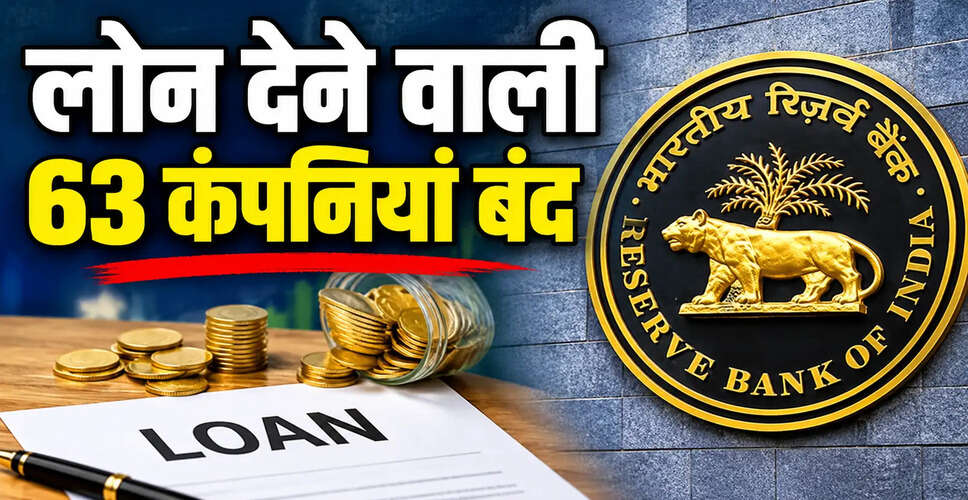

RBI's Significant Move in the Financial Sector
In a significant development, the Reserve Bank of India (RBI) has taken decisive action against 63 non-banking financial companies (NBFCs) and housing finance firms. The central bank has revoked the registration certificates of 49 NBFCs, while 13 NBFCs and one housing finance company voluntarily surrendered their registrations. This move has stirred the financial sector considerably.
Details of RBI's Announcement
On November 16, 2026, the RBI released two separate press statements on its official website regarding the cancellation of registrations and the voluntary return of licenses by these companies.
Reasons Behind License Revocation
The RBI canceled the registration certificates of 49 NBFCs under Section 45-IA (6) of the RBI Act, 1934. The orders for revocation were issued between October 1 and October 29, 2026.
The notification included the names of the companies, their registered office addresses, registration numbers, and the dates of license cancellation.
Voluntary Surrender of Registrations
According to the RBI's second announcement, 13 NBFCs and one housing finance company voluntarily returned their registration certificates. Consequently, the central bank canceled their certificates under the relevant provisions.
Among these 14 companies, six returned their registrations due to exiting the non-banking financial business.
Impact of License Cancellation
The RBI clarified that companies whose registration certificates have been revoked can no longer operate as non-banking financial institutions (NBFIs) as defined under Section 45-I of the RBI Act, 1934.
This means that these companies cannot conduct financial operations as NBFCs without valid registration.
Advice for Customers
Following this action by the RBI, customers engaging in financial transactions with the affected companies should exercise caution. It's important to note that the reasons for the cancellation of registrations vary among the 63 companies. Some voluntarily exited the business, while others have ceased to exist legally.
Therefore, customers should verify the current regulatory status of any company before entering into new financial transactions.