
RBI Signals Possible Fuel Price Hike Amid Rising Crude Costs

Concerns Over Fuel Prices
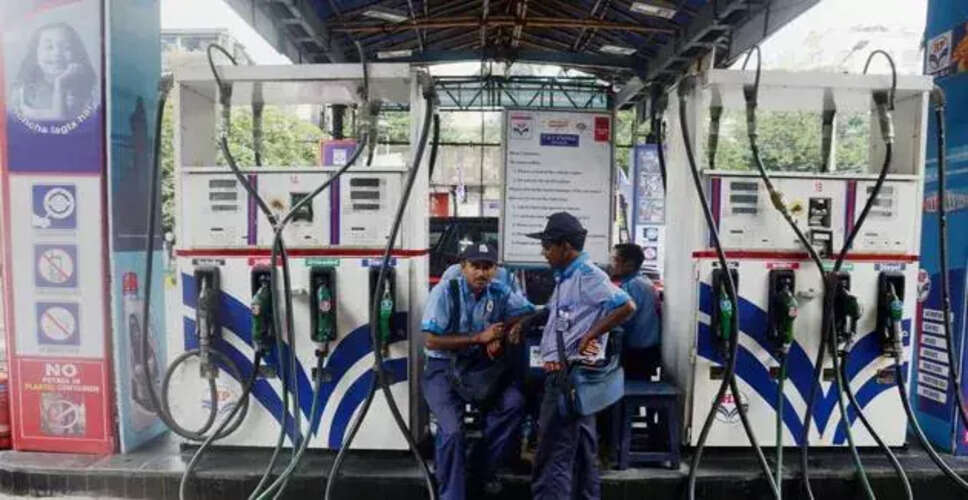
File image of a petrol pump. (Photo:PTI)
New Delhi, May 13: According to RBI Governor Sanjay Malhotra, India might have to increase petrol and diesel prices due to the escalating crude oil prices in the international market.
Malhotra emphasized that the ongoing conflict in West Asia is driving energy prices higher, which is challenging India's flexible inflation targeting and may require intervention from the Reserve Bank.
He warned that if the crisis in West Asia continues, raising retail fuel prices is "inevitable," which would subsequently elevate transportation costs and inflation rates.
The Reserve Bank's upcoming monetary policy meeting is scheduled for June 5, where decisions regarding key interest rates will be made, maintaining a focus on fostering economic growth.
During the April 2026 meeting, the Monetary Policy Committee of the RBI unanimously opted to keep the repo rate steady at 5.25%, adopting a neutral stance.
This decision reflects a cautious approach to balance robust domestic growth while monitoring inflation amidst global uncertainties.
“Our approach is increasingly data-driven. The RBI is flexible and willing to overlook temporary shocks, but if they become persistent, action will be necessary,” Malhotra stated at a conference organized by the Swiss National Bank and the International Monetary Fund in Switzerland.
He noted that while excise duties have been lowered, public sector oil companies are absorbing the surge in global crude prices due to the ongoing conflict in the Middle East.
Petroleum Minister Hardeep Singh Puri has assured that the country has sufficient stocks of petrol, diesel, and LPG, but acknowledged that price hikes may be necessary due to significant losses faced by public sector oil companies.
Puri revealed that state-run oil marketing firms are losing nearly Rs 1,000 crore daily because fuel prices have not been adjusted despite the steep rise in international crude oil prices, which have surpassed $100 per barrel.
India relies on imports for about 88% of its crude oil needs, meaning any increase in global prices sharply raises production costs for petrol, diesel, and LPG.
As per the minister, under-recoveries have reached Rs 1.98 lakh crore, with losses for the current quarter nearing Rs 1 lakh crore.
Puri also mentioned that oil companies have ramped up LPG production to 55,000-56,000 tonnes from approximately 35,000 tonnes previously to ensure a steady supply.
Currently, India has crude stocks that can meet around 76 days of demand.