
Razia Sultan: The Trailblazing Female Ruler of India
Razia Sultan: A Pioneering Monarch
Razia Sultan (1205-1240) holds the distinction of being India's first female monarch. During the era of the Delhi Sultanate, it was customary for kings to confine their queens within palace walls. However, Razia broke this mold by not only ascending to the throne but also leading her troops into battle. Her reign, though brief at just four years, was marked by significant advancements that continue to be remembered today.
A Capable Leader
Razia was the daughter of the renowned Sultan Shamsuddin Iltutmish of the Delhi Sultanate. As the only sister among her three brothers, she stood out for her exceptional capabilities. Born as Hafsa Moin, she was also known by the titles Raziya al-Din and Jalalat al-Din Raziya. Recognizing her talents, her father ensured she received military training akin to that of his sons, equipping her with the skills of a proficient administrator.
Challenges of Leadership
Initially, Sultan Iltutmish designated his eldest son as his successor, but after his untimely death, Razia was named as the heir. However, the Muslim community was reluctant to accept a woman as their ruler, remaining silent due to Iltutmish's influence. Following his death in 1236, Razia was ousted from the throne in favor of her brother Rukhuddin Firuz.
Regaining the Throne
Rukhuddin Firuz was known for his foolishness and indulgent lifestyle. Seizing the opportunity, Razia garnered public support to reclaim her throne. Tragically, she orchestrated the deaths of both her mother and brother. On November 10, 1236, Razia Sultan became the first Muslim ruler of Delhi, initiating various public works such as wells, roads, and promoting arts and culture, while also fostering unity between Hindus and Muslims.
A Love Story Amidst Power
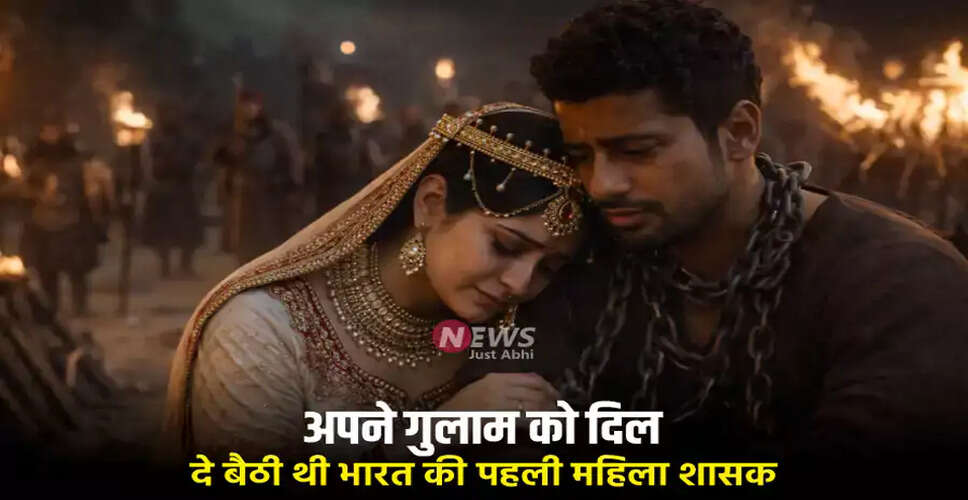
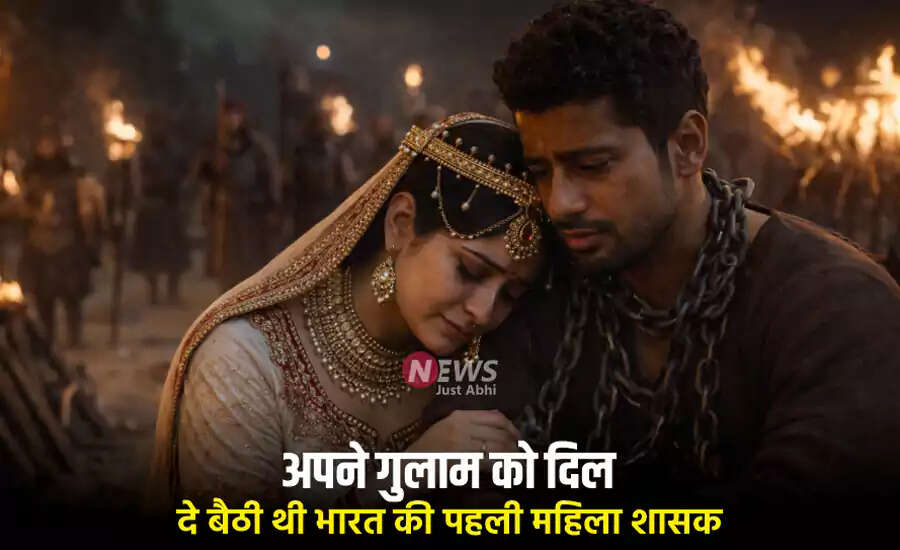
Razia Sultan is also remembered for her romantic involvement with her slave, Jamaluddin Yakut. He was not only her trusted companion but also responsible for her horse riding. This relationship, however, drew ire from governors and officials who disapproved of their bond. Meanwhile, Ikhtiyar Al-Tuniya, the governor of Bhatienda, became infatuated with Razia and sought to claim both her and the throne of Delhi. With the help of rebels, he attacked the Sultanate, resulting in Yakut's death and Razia's capture. Fearing for her life, she agreed to marry Al-Tuniya, but her brother, Maizuddin Behram Shah, later seized the throne.
The Final Chapter
In a bid to reclaim her throne, Razia and her husband Al-Tuniya engaged in battle against Behram Shah but faced defeat. Following their loss, they fled Delhi, only to be abandoned by their troops in Kaithal. Tragically, both met their end at the hands of bandits on October 14, 1240. It is said that even after her marriage, Razia continued to harbor feelings for her beloved Jamaluddin Yakut.