
Rama Ekadashi: Dates, Rituals, and Mythological Significance

Overview of Rama Ekadashi
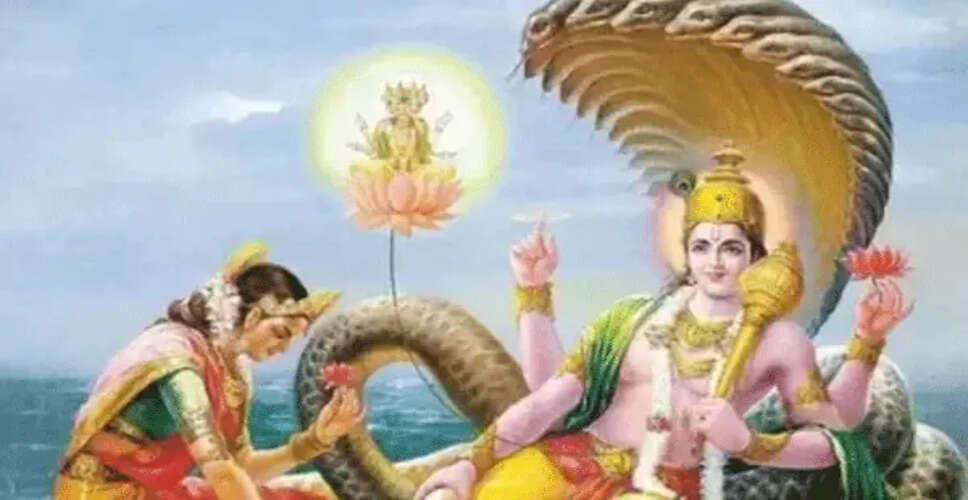
Jaipur. This year, the dates for Rama Ekadashi, which falls during the Krishna Paksha of Kartik month, are set for November 4 and 5. According to religious beliefs, Rama is another name for Goddess Lakshmi, and observing fasts and performing rituals for Lord Vishnu and Mother Lakshmi on this day is believed to bring happiness, prosperity, and peace to families.
Timing and Observance
The Panchang indicates that the Ekadashi tithi will commence on November 4, 2026, at 11:03 AM and conclude on November 5, 2026, at 10:36 AM. Scriptures suggest that the day of the rising tithi and the presence of Dwadashi make this Ekadashi particularly auspicious for fasting, hence the observance will take place on November 5. The fast can be broken the following day, November 6.
Rituals and Practices
On Rama Ekadashi, devotees typically take a bath in the morning, offer water to the Sun God, and then resolve to observe the fast. Following this, they perform rituals for Lord Vishnu, Goddess Lakshmi, and Lord Krishna in their home temples, using incense, lamps, fruits, flowers, sweets, and Tulsi leaves as offerings. In the evening, after the Aarti, it is customary to listen to the Ekadashi Katha and chant the mantra ‘Om Namo Bhagavate Vasudevaya’ at night.
Mythological Significance
According to ancient beliefs, this fast is said to absolve individuals of sins committed knowingly or unknowingly and is a means to please Goddess Lakshmi before Diwali. The story of King Muchukund's daughter, Chandrabhaga, and her husband, Shobhan, illustrates the fast's significance. Due to extreme physical weakness, Shobhan passed away during the fast, but through the merits of Rama Ekadashi, he attained a divine city on Mount Mandarachal. Later, Chandrabhaga observed the fast with full devotion and was reunited with her husband, making this fast a symbol of faith and eternal good fortune.