
Rajya Sabha Approves Water Pollution Amendment for Manipur
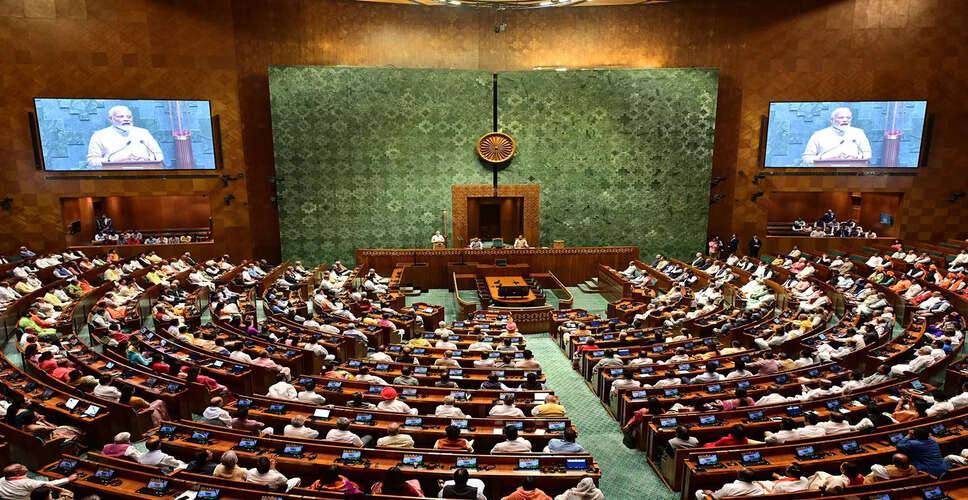
Rajya Sabha Passes Key Resolution
On December 3, the Rajya Sabha successfully passed a resolution via voice vote to implement the Water (Prevention and Control of Pollution) Amendment Act, 2024, in Manipur, which is currently under President's Rule.
This amendment aims to decriminalize minor infractions related to water pollution, allowing the central government to set the service conditions for chairpersons of State Pollution Control Boards and exempt specific types of industrial plants from certain legal restrictions.
The goal of this amendment is to streamline criminal provisions, enabling citizens, businesses, and industries to operate without the threat of imprisonment for minor, technical, or procedural violations. Instead, these offences will incur monetary fines for ongoing breaches.
Environment and Forest Minister Bhupender Yadav introduced the resolution, emphasizing its necessity given the current governance situation in Manipur.
In his response to the debate, Yadav noted that the bill has already received approval from both Houses of Parliament and has been adopted by several state assemblies, including those in Rajasthan, Himachal Pradesh, and West Bengal.
He mentioned that provisions like Consent to Operate (CTO), which have been accepted by other states, will also be implemented in Manipur.
The CTO serves as a legal permit from a State Pollution Control Board, allowing an industrial facility to operate after verifying its adherence to environmental standards.
The amendment not only decriminalizes minor water pollution offences but also empowers the Centre to dictate the service conditions for State PCB chairpersons and exempts certain industrial categories from statutory limitations.
During the discussions, opposition members raised concerns about the need for elections in Manipur.
Congress MP Neeraj Dangi remarked that the resolution was necessary due to the ongoing issues in Manipur, while Trinamool Congress MP Sushmita Dev highlighted that many residents are still living in camps.