
Rajnath Singh Advocates for Public-Private Partnerships to Boost India's Sports Economy
Strengthening India's Sports Sector
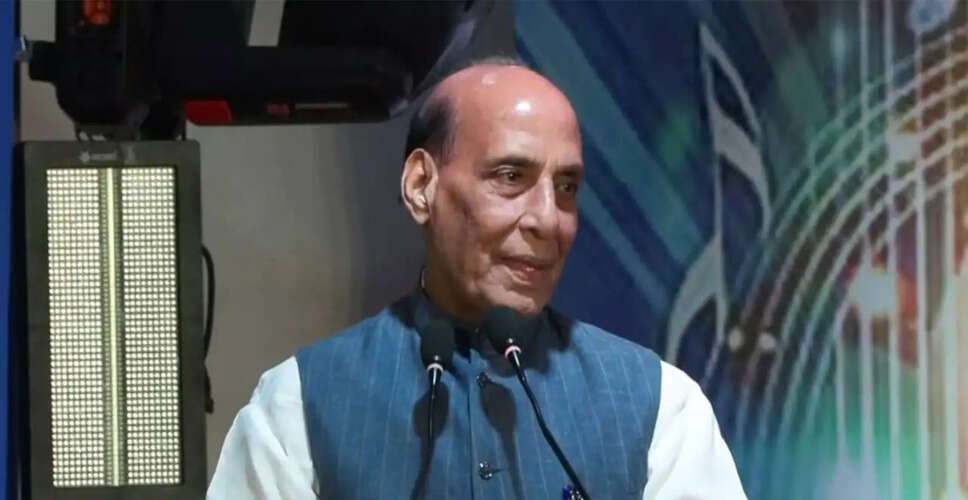
Union Defence Minister Rajnath Singh emphasized the need for enhanced collaboration between the public and private sectors to elevate India's standing in the global sports arena. He made these remarks during the Final of the Aditya Birla Memorial Polo Cup held in New Delhi, as reported by the Ministry of Defence.
Cultivating a National Sports Culture
"The government is actively promoting a sports culture that ensures athletes and the youth have access to opportunities, resources, and respect," Singh stated. He expressed confidence that India would soon establish a formidable global presence in sports, particularly in Polo, through collective efforts from the government, private sector, and various community organizations.
Polo: A Heritage Sport Supported by the Army
Singh highlighted Polo's deep historical roots in India, referring to it as a 'Heritage Sport.' He acknowledged the Indian Army's significant role in nurturing talent within Polo and preserving its rich legacy. "By collaborating with the Indian Polo Association, the Army has been instrumental in keeping this tradition alive. I am optimistic that together we can cultivate a positive environment for Polo and other sports, allowing our young talents to shine and bring honor to the nation," he remarked.
Policies and Infrastructure for Athlete Advancement
The Defence Minister pointed out that initiatives like 'Khelo India' and the 'Target Olympic Podium Scheme,' along with substantial advancements in sports infrastructure, have created new avenues for youth to excel. He mentioned that the 'National Sports Governance Act' and the 'Khelo Bharat Policy' are expected to greatly benefit aspiring athletes, enhancing transparency and accountability within sports organizations.
Private Sector's Role in Professionalizing Sports
Singh stressed that just as private involvement has revitalized sectors like industrialization, technology, and education, it can similarly enhance the professionalism of sports. He believes that industry stakeholders can help develop a sustainable support system that provides athletes with access to top-notch coaching, world-class facilities, and opportunities for international competition preparation.
He described Polo as more than just a test of strength and speed; it is a combination of rhythm, strategy, coordination, discipline, and bravery.