
Rajasthan's Energy Sector: A Leap Towards Self-Reliance and Sustainability

Introduction to Rajasthan's Energy Landscape
Jaipur. Energy serves as the cornerstone for development across various sectors. Sufficient electricity is crucial for industrial growth, agricultural prosperity, enhancing domestic amenities, and expanding employment opportunities. In a vast and geographically diverse state like Rajasthan, ensuring electricity availability poses a significant challenge. Therefore, it is natural for the government to prioritize both increasing energy production and developing a robust network to deliver electricity to consumers. The current administration has systematically worked towards this goal.
Rajasthan's Growing Energy Identity
As a result, Rajasthan is rapidly establishing a strong presence on the country's energy map. By effectively utilizing abundant sunlight, vast land, and natural resources, the state is reaching new heights in solar energy production.
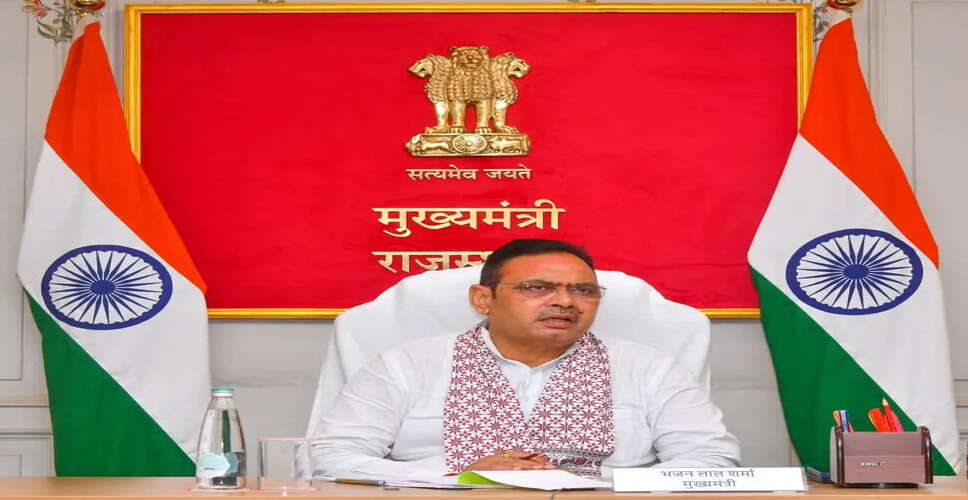
Under the leadership of Chief Minister Bhajanlal Sharma, significant advancements in the energy sector over the past three years have propelled the state towards energy self-sufficiency. Notable increases in electricity production capacity, expansion of solar energy projects, strengthening of electricity distribution and transmission systems, and effective implementation of schemes connecting farmers to energy sources are clear indicators of this transformation.
Significant Increases in Production Capacity
The results of efforts to enhance electricity production capacity are now becoming evident. Between December 2023 and October 2026, the state's total electricity production capacity increased by 11,699 megawatts. In contrast, the previous government saw an increase of only 2,969 megawatts during its first three years. Thus, the current administration has achieved more than four times the rate of capacity enhancement.
This difference is a result of the strategies adopted in the energy sector, investments made, the pace of projects, and efforts tailored to meet future demands. With a growing population, urbanization, agricultural needs, and industrial activities, the demand for electricity continues to rise. This increase in production capacity will play a crucial role in preparing the state for future challenges.
Solar Energy Potential in Rajasthan
Rajasthan's geographical conditions are highly favorable for solar energy production. The state enjoys ample sunlight throughout the year, and there are significant opportunities to develop solar projects across large areas. The government is continuously striving to harness this natural potential for development.
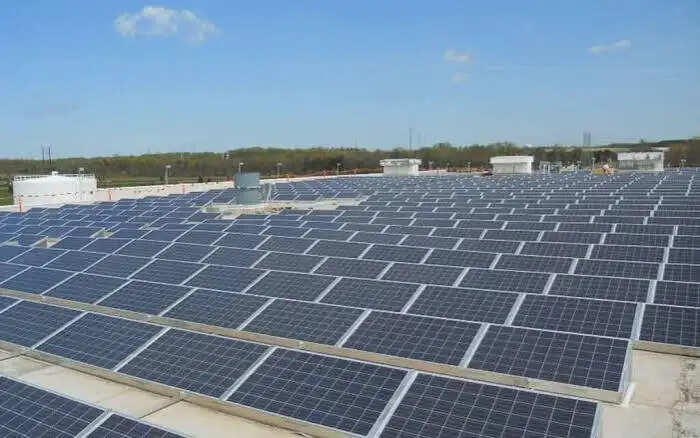
By September 2026, the state's solar energy capacity had increased by 28,302 megawatts. In comparison, the previous government achieved an increase of only 3,984 megawatts during the same timeframe. The current government's efforts have resulted in nearly seven times the expansion of solar energy capacity, reflecting the effectiveness of its energy policy and initiatives to accelerate solar projects.
Broader Impacts of Solar Energy Expansion
The expansion of solar energy extends beyond mere electricity production. It also serves as a means for environmental protection, reducing energy costs, attracting investments, and creating new job opportunities. Rajasthan has the potential to strengthen its role as a leading clean energy hub in the coming years. Increased investment in solar energy can significantly boost the state's economy.
One of the most critical aspects of the energy sector's achievements is its connection to agriculture. Providing farmers with timely and adequate electricity is essential for reducing farming costs and increasing production. Rajasthan has made remarkable progress in connecting farmers to solar energy through the Pradhan Mantri Kisan Urja Suraksha evam Utthaan Mahabhiyan (PM-KUSUM) scheme.
Achievements Under PM-KUSUM Scheme
Under Component-A of the KUSUM scheme, the current government has established 1,779 megawatts of capacity, compared to just 9.5 megawatts during the previous administration. Similarly, under Component-C, the current government has developed 3,758 megawatts of capacity, whereas the previous government had no capacity in this area.
These achievements open new energy options for farmers. A solar energy-based agricultural system can alleviate pressure on electricity supply, increase the likelihood of daytime electricity availability for farmers, and reduce dependence on traditional energy sources. Expanding solar energy in fields is also a significant step towards strengthening the rural economy and involving farmers in the energy production process.
Strengthening Transmission and Distribution Systems
Merely generating electricity is not enough; a robust transmission and distribution system is essential to ensure safe and uninterrupted delivery to homes, farms, and industries. Chief Minister Bhajanlal Sharma's government has paid special attention to this aspect as well.
By September 2026, transformer capacity increased by 4,902 MVA, while the previous government saw an increase of only 2,813 MVA. The current administration also recorded a rise of 12,619 MVA in extra high voltage transformer capacity, compared to 4,734 MVA during the previous government. This represents nearly a threefold increase.
Enhancing Grid and Substation Infrastructure
Grids and substations are the backbone of the electricity supply system. The state has established 64 new grid substations at 400, 220, and 132 kV, compared to just 27 during the previous administration. Additionally, 542 new substations at 33 kV have been constructed, while the previous government had established 486 substations.
These initiatives enhance the capacity of the electricity system, improve supply, and prepare the network to meet increasing demand. Such foundational investments are crucial for providing better electricity services to consumers in both rural and urban areas.
Economic Implications of Energy Sector Growth
The growing capacity of Rajasthan's energy sector is a positive sign for the state's economic development. With sufficient electricity availability, industries benefit from a better environment, attracting new investments and creating job opportunities. The expansion of clean energy also aids in addressing environmental challenges.
Rajasthan possesses vast potential in solar and wind energy. By systematically developing these opportunities, the state can play a leading role in the country's energy transition. Encouraging energy storage, modern grids, technological innovation, and private investment will also be essential.
Conclusion: A Bright Future for Rajasthan's Energy Sector
Chief Minister Bhajanlal Sharma has prioritized the energy sector in development initiatives, propelling projects forward at an impressive pace. The increase in production capacity, solar energy initiatives, farmer welfare, and expansion of the electricity network indicate that the government is working with future energy needs in mind.
Rajasthan's sunlight is now not just a symbol of heat but a new energy for development, investment, and self-reliance. The achievements in the energy sector over the past three years are steering the state towards a robust and capable energy system. If the implementation of projects continues at this pace, Rajasthan is poised to strengthen its position among the leading states in the country's energy sector in the coming years. Under Chief Minister Bhajanlal Sharma's leadership, the dream of an energy-rich Rajasthan is now progressing in a solid direction.
Final Thoughts
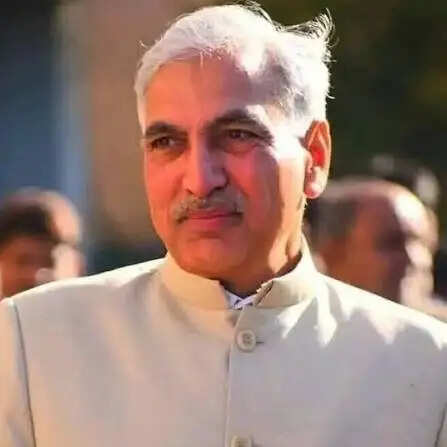
Chandramohan Meena
IAS (Senior)