
Rajasthan Implements Stricter Liquor Regulations and Price Hikes
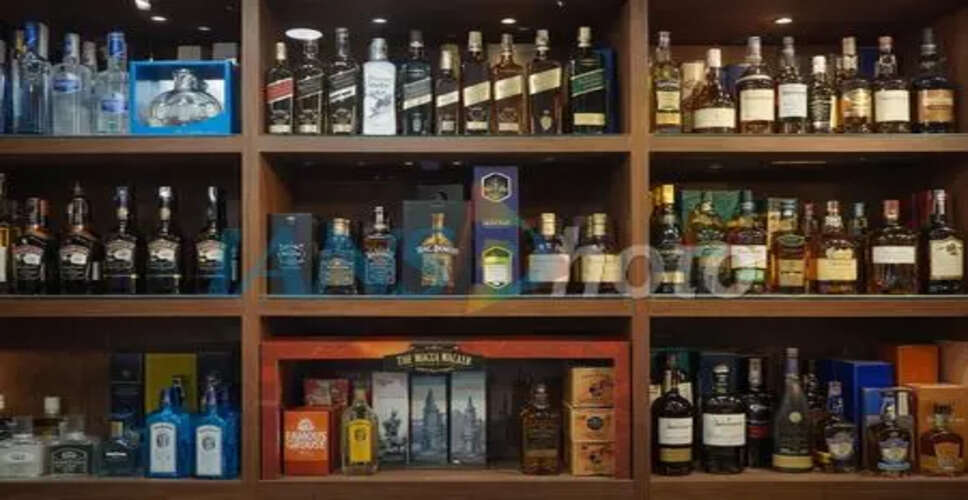
New Liquor Regulations in Rajasthan
Photo: IANS
Jaipur, April 3: The Rajasthan Excise Department has announced significant changes to its regulations, introducing hefty fines for violations. An immediate penalty of Rs 50,000 will be imposed for serving alcohol without the required permissions or for not adhering to licensing conditions.
The state government has updated its Excise Policy for 2025-29, which includes an increase in liquor prices and stricter regulations for alcohol service at events. These new rules, which took effect on April 1, are designed to enhance revenue while ensuring better compliance.
Following a recent government notification, liquor prices in Rajasthan have risen by 5 to 10 percent. Additionally, the fees for obtaining licenses to serve alcohol at events have also seen a significant increase.
For commercial events, the fee for an ‘Occasional License’ has jumped from Rs 12,000 to Rs 20,000 per day. For private events like weddings and family gatherings, the cost has risen from Rs 2,000 to Rs 2,500. The Excise Department's new regulations also include strict penalties for violations.
Serving liquor without permission or violating license terms will now incur an immediate fine of Rs 50,000. The price increases affect various segments differently.
Country liquor will experience the highest price hike of 8-9 percent, adding approximately Rs 85 to a Rs 900 purchase. Liquor produced within Rajasthan has become up to 8 percent more expensive, while Indian Made Foreign Liquor (IMFL) has seen a smaller increase of about 2.6 percent. Beer prices have also risen, with an increase of around Rs 25 per Rs 1,000 spent, and canned beer prices have gone up by as much as Rs 33 per can.
The Excise Department states that these changes are a response to rising production costs and are projected to generate an additional Rs 1,500 crore in revenue by 2026.
Moreover, the department has stepped up monitoring efforts to combat illegal liquor consumption and ensure adherence to licensing regulations.
With nearly 98 percent of the state’s 7,665 liquor shops already auctioned, the government is concentrating on increasing revenue while enforcing stricter regulations. Residents planning events are encouraged to secure the necessary permits in advance to avoid fines.