
Rahul Gandhi Criticizes BJP Over Manipur Violence
In a recent rally, Rahul Gandhi condemned the BJP government for its role in the escalating violence in Manipur, attributing the unrest to their policies. Following a tragic terrorist attack that resulted in the deaths of two children, tensions have surged, leading to protests and clashes. Gandhi emphasized the need for accountability and linked the situation to the BJP's broader political strategies. This article delves into the details of the conflict and the political implications surrounding it.
| Apr 20, 2026, 13:47 IST
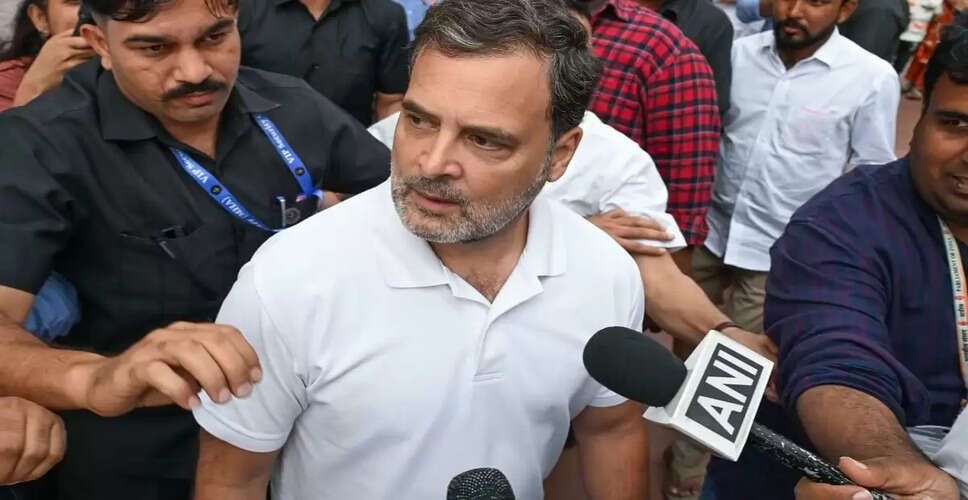

Opposition Leader's Strong Remarks
On Monday, Rahul Gandhi, the leader of the opposition in the Lok Sabha, sharply criticized the BJP government regarding the escalating tensions in Manipur, accusing them of igniting the conflict. Speaking at a rally in Kolachel, he held the ruling party accountable for the clashes between the Meitei and Kuki communities. He remarked on the tragic situation in Manipur, describing it as a once peaceful state that has now been engulfed in violence, resulting in numerous casualties and an ongoing civil war.
Recent Violence Sparks Outrage
Gandhi's comments followed a resurgence of violence in Manipur, triggered by a terrorist attack in Tronglaobi Awang Leikai that claimed the lives of a five-year-old boy and his five-month-old sister. This incident has led to widespread outrage, with protesters blocking major roads and reports of violence emerging from various areas. In response, security forces have deployed tear gas and smoke bombs to disperse the crowds.
Background of the Conflict
The unrest in Manipur began on May 3, 2023, following protests demanding Scheduled Tribe status for the Meitei community. Clashes between the Meitei and Kuki-Zo groups resulted in significant loss of life and property. Security forces were mobilized, and restrictions were imposed in several districts. Rahul Gandhi linked the situation in Manipur to the BJP's alleged strategy of 'seizing power and controlling states from Delhi,' suggesting that similar tactics were being employed to manage the AIADMK in Tamil Nadu.