
Qatar's PM Criticizes Iran for Attacks on Gulf Nations
Qatar's Strong Response to Iranian Aggression
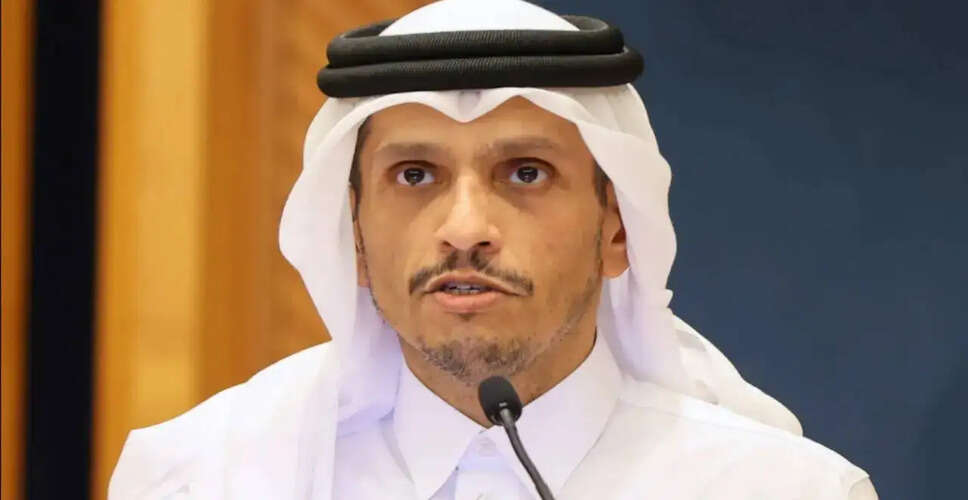
Doha: On March 8, Qatar's Prime Minister Sheikh Mohammed bin Abdulrahman Al Thani expressed strong disapproval of Iran's recent drone and missile strikes against Gulf nations, labeling these actions as "dangerous miscalculations." He emphasized the need for de-escalation to prevent further destabilization in the region. In an interview with Sky News, Al Thani described the situation as a significant betrayal, marking his first public comments since the onset of the Middle East conflict.
He highlighted that Iran initiated attacks on Gulf countries just one hour after the conflict erupted, despite prior assurances of non-involvement in regional wars. "This incident has severely shaken the trust we had in our relationship with Iran," he stated. Al Thani reiterated Qatar's commitment to maintaining a positive relationship with Iran, but firmly rejected the justifications presented by Tehran for its actions.
Referring to the Iranian strikes as a "dangerous miscalculation," the Qatari PM reiterated the importance of seeking de-escalation, noting that 25% of the Iranian attacks targeted civilian infrastructure.
Iran's Apology for Recent Strikes: Al Thani's comments followed an apology from Iranian President Masoud Pezeshkian to the Gulf states for the attacks. Pezeshkian announced that Iran would refrain from targeting neighboring countries unless provoked by attacks originating from their territories. This decision was reportedly approved by Iran's interim leadership council.
In a subsequent statement, Pezeshkian asserted Iran's right to defend itself against perceived military threats from the US and Israel, indicating that the country would continue to target facilities responsible for aggression against it. Tensions in the Middle East have escalated following coordinated strikes by the US and Israel on Iran, resulting in the deaths of several high-ranking officials, including Supreme Leader Ayatollah Ali Khamenei. In retaliation, Iran has launched significant counterstrikes against US and Israeli military installations in Gulf nations.