
Putin's Beijing Visit: Strengthening Ties Amid Unresolved Energy Deal

Strengthening the China-Russia Alliance
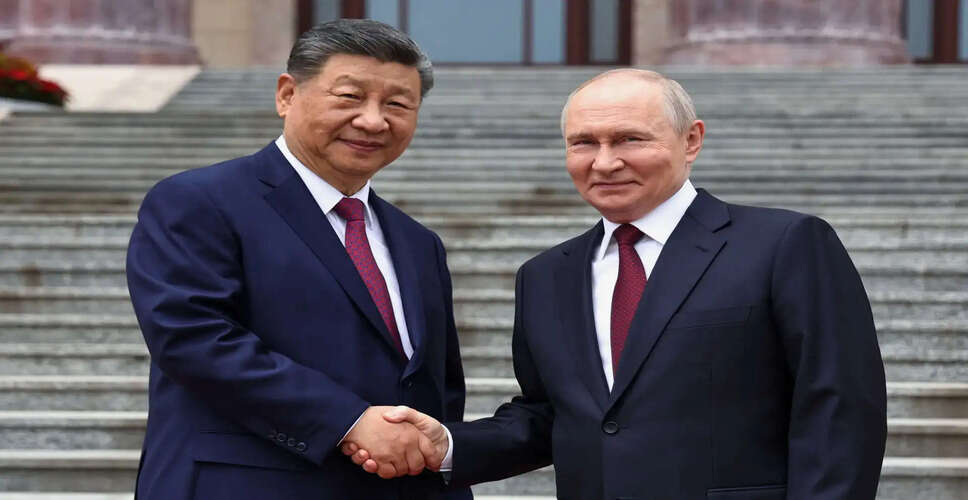
This week, Russian President Vladimir Putin's notable trip to Beijing aimed to convey a message that transcends the borders of both nations. Following US President Donald Trump's recent visit to China, Putin's arrival at the Great Hall of the People was intended to reinforce what both Moscow and Beijing termed an 'unyielding' strategic partnership. The summit was marked by pledges of military collaboration and numerous agreements covering various sectors, including trade, artificial intelligence, nuclear energy, and infrastructure. However, amidst the carefully orchestrated displays of camaraderie, a significant agreement—the long-anticipated Power of Siberia 2 gas pipeline—remained unresolved, revealing the limitations of their partnership even as they publicly sought to strengthen ties.
Key Agreements Reached
Key Agreements Reached
A major outcome of the summit was the commitment to enhance military cooperation. The joint statement outlined plans to increase coordination between the armed forces of Russia and China, further solidifying a strategic alliance that has intensified since Russia's invasion of Ukraine in 2022. Additionally, over 20 cooperation agreements were signed, encompassing areas such as artificial intelligence, nuclear energy, trade, scientific research, technology, and media exchanges. Both leaders articulated their shared vision for a 'multipolar world order,' a phrase that featured prominently in official communications during the visit. On global issues, Xi urged for de-escalation in the Middle East and cautioned against further instability, particularly after tensions involving Iran impacted energy markets and raised concerns over the Strait of Hormuz. Chinese state media reported that Xi emphasized the potential for prolonged conflict to disrupt global supply chains and oil flows.
Unresolved Pipeline Deal
The Deal That Did Not Happen
Despite the extensive list of agreements, the summit did not culminate in a finalized deal for the Power of Siberia 2 gas pipeline, which is arguably the most economically significant project under discussion. This proposed 2,600-kilometer pipeline aims to transport up to 50 billion cubic meters of Russian gas annually to China via Mongolia, providing Moscow with a vital alternative market after Europe significantly reduced its energy imports from Russia following the Ukraine conflict. Prior to the summit, there were hopes that escalating instability in the Middle East and concerns regarding maritime energy routes might prompt Beijing to finalize the project. However, that breakthrough did not materialize.
The Kremlin indicated that Russia and China had only achieved a 'general understanding' regarding the project's parameters, with critical issues such as gas pricing, financing, and timelines still unresolved. No final contract was signed during Putin's visit. Meanwhile, China is actively negotiating pricing while diversifying its energy imports through Central Asia and global LNG supplies, diminishing the urgency to commit to Russian terms. For Russia, this pipeline represents more than just an energy initiative; it is crucial to the Kremlin's strategy of pivoting its economy eastward after losing a significant portion of the European gas market due to sanctions and geopolitical repercussions from the Ukraine war. Conversely, while China values its energy relationship with Russia, it recognizes that Moscow currently has limited alternatives, granting Xi considerable leverage in negotiations. This disparity was evident throughout the summit, as Putin sought deeper economic commitments, while China primarily offered symbolic gestures, diplomatic support, and selective cooperation instead of the substantial economic concessions that Moscow desperately sought.