
Putin Discusses Iran's Nuclear Rights and Global Energy Stability at SPIEF 2026
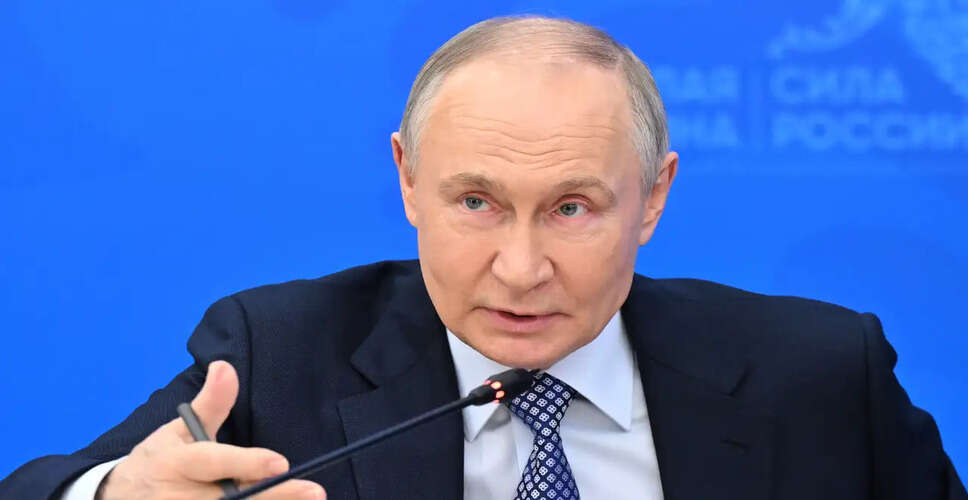

Key Highlights from SPIEF 2026
During the St. Petersburg International Economic Forum (SPIEF), often referred to as Russia's version of Davos, President Vladimir Putin addressed significant issues surrounding the recent conflict in Iran, Russia's energy strategies, and the overall stability of the global landscape. His statements underscored Moscow's position on non-proliferation, energy markets, and the importance of restraint amid regional tensions.
Iran's Right to a Peaceful Nuclear Program
Putin asserted that Iran is entitled to pursue a peaceful nuclear program, reinforcing Russia's long-standing support for Tehran's nuclear energy initiatives under international supervision, particularly regarding developments at the Bushehr facility. This statement comes in light of increased scrutiny following U.S.-Israeli military actions against Iranian nuclear sites earlier in 2026 and subsequent efforts to de-escalate tensions. Putin emphasized that neither Russia nor the IAEA has found evidence indicating that Iran is seeking to develop nuclear weapons.
Clarification on Military Support
In a direct statement, Putin clarified that Iran had not sought military assistance from Russia during the ongoing conflict, asserting, "And we have NOT provided them with any weapons." This highlights Russia's cautious stance, prioritizing diplomatic solutions and civilian nuclear collaboration over direct military engagement, contrasting with what he described as Western provocations that exacerbate conflicts.
Oil Market Dynamics and Russia's Economic Resilience
When questioned about whether Russia was benefiting from the Iran conflict due to rising global oil prices, Putin provided a nuanced perspective, emphasizing the importance of long-term market stability over immediate financial gains. He noted that while oil and gas revenues previously constituted around 50% of Russia's federal budget, they now represent only 20-23%. This shift indicates that Russia is less reliant on energy exports for its economic health. Although he acknowledged that market turbulence could temporarily increase revenues, he stressed the significance of stability, stating, "What matters is market stability, not spikes. Turbulence hurts everyone — including us. We’ll keep working with OPEC+ to reduce volatility."
Contextualizing SPIEF 2026
Putin's remarks align with a broader discussion at the forum regarding a changing multipolar world, where developing nations are gaining influence, and Western sanctions are criticized for undermining global economic stability. He minimized Russia's exposure to fluctuations in energy prices while emphasizing the necessity for predictable markets that benefit both producers and consumers. Russia has also positioned itself as a potential mediator in the Iranian nuclear situation, proposing initiatives such as overseeing the downblending of enriched uranium for civilian applications under IAEA safeguards.