
Punjab Government Enhances Educational Opportunities for Scheduled Caste Students
Significant Educational Initiatives in Punjab
Under the guidance of Chief Minister S. Bhagwant Singh Mann, the Punjab Government is making remarkable strides in improving educational access for Scheduled Caste students.
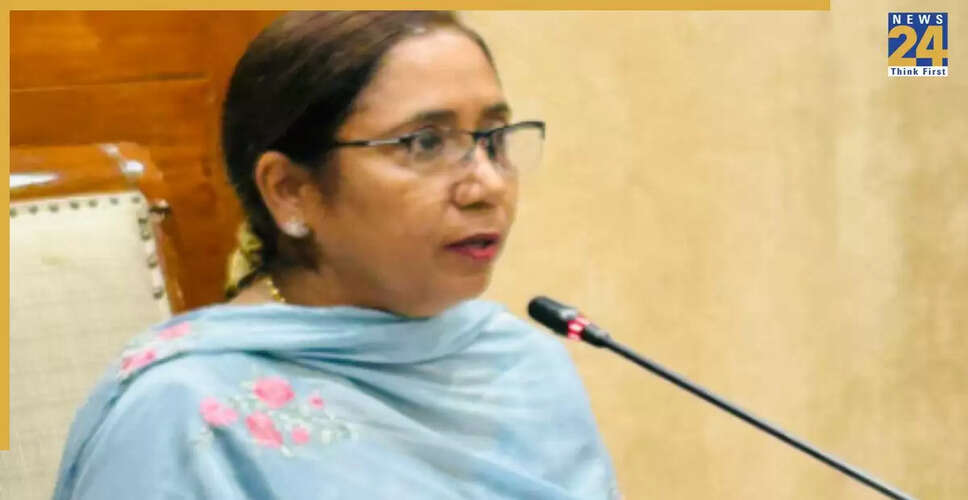
During a recent press briefing at Punjab Bhawan, Cabinet Minister Dr. Baljit Kaur outlined key initiatives from the Department of Social Justice, Empowerment, and Minorities.
Post-Matric Scholarship Scheme Sees 35% Increase
Dr. Baljit Kaur highlighted that the Punjab Government has resolved longstanding issues with the Post-Matric Scholarship Scheme, ensuring that funds are now directly allocated to support the education of deserving students.
In 2022, 176,842 students benefited from this scheme, and this figure has surged to 237,456, marking a 35% increase over three years. In contrast, only 371,000 students received scholarships in the previous five years, while 678,000 have already benefited in the current three years.
For the academic year 2025-26, the government aims to support 270,000 students, with extensive awareness campaigns being conducted in educational institutions to ensure no eligible student is overlooked.
New Foreign Scholarship Scheme for Talented Youth
Dr. Baljit Kaur announced a groundbreaking foreign scholarship initiative aimed at SC students and children of landless agricultural workers. Eligible candidates, aged under 35 with a minimum of 60% marks and a family income below ₹8 lakh, can now pursue studies at the world's top 500 universities.
The government will cover visa fees, airfare, tuition, an annual maintenance allowance of ₹13.17 lakh, an emergency fund of ₹1.35 lakh, and medical insurance.
To promote gender equality, a 30% reservation for female students will be implemented, allowing a maximum of two children per family to benefit, although each student can utilize the scheme only once.
The online application portal (https://nosmsje.gov.in) will be open for the 2025-26 academic session from September 15 to October 24, 2025.
Dr. Kaur emphasized that this initiative will create new opportunities for Punjab's talented youth, alleviating the financial burden on parents who previously had to mortgage their properties to fund overseas education.
Launch of PCS Crash Course at Ambedkar Institute
Additionally, Dr. Baljit Kaur announced a two-month crash course for the Punjab Civil Services (PCS) at the Ambedkar Institute in Mohali, aimed at preparing SC, BC, and minority students for civil service examinations.
Applications will be accepted from September 17 to 26, both offline and via email, with 40 candidates selected through an entrance test on September 30.
The institute has undergone upgrades costing ₹1.47 crore, with an additional ₹1.22 crore investment planned. To attract distinguished scholars as trainers, the honorarium for professors has been raised from ₹750 to ₹1,500 per hour.
Punjab Government's Commitment to Education
Dr. Baljit Kaur reiterated the Punjab Government's dedication to uplifting SC, BC, and economically disadvantaged communities under Chief Minister S. Bhagwant Singh Mann's leadership.
She stated, "Our objective is to make higher education accessible, affordable, and appealing for every eligible child in Punjab. Education is the key to empowering our students socially and economically."