
Public Outcry in Hojai Over Alcohol Sales Along NH-27

Concerns Rise Over Alcohol Availability on NH-27
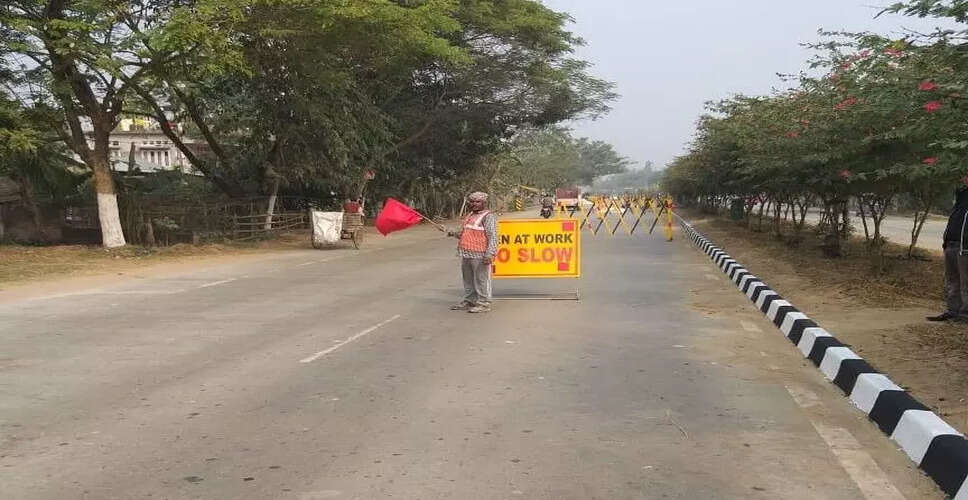
File image of NH 27 stretch in Hojai (Photo: Hojai District Administration/Meta)
Hojai, June 23: A significant wave of discontent is emerging in Hojai district as locals express serious concerns regarding the alleged open sale and consumption of alcohol at various roadside venues along National Highway-27, a key transport route in the area.
For many residents, this issue transcends mere violations of excise regulations; it has evolved into a critical matter of public safety, accountability, and the preservation of human lives.
Individuals from various parts of the district claim that certain dhabas, restaurants, and hotels along the highway continue to operate in a manner that allows for the sale and consumption of alcohol. Locals assert that these activities occur openly, raising questions about the lack of visible preventive measures from authorities.
The situation is exacerbated by the fact that NH-27 has been the site of numerous road accidents over the years. While the reasons for these accidents differ, many residents worry that the alleged availability of alcohol near the highway heightens the risks for both commuters and drivers.
Residents frequently voice their frustration, asking what further actions are necessary before decisive measures are implemented. Many believe that enforcement actions seem to occur only after complaints are made, fostering a perception that authorities are reactive rather than proactive.
Adding to the public's anxiety are claims from some locals that certain individuals involved in the alcohol trade have 'connections' that shield them from enforcement efforts. Although these allegations lack official verification, they have intensified public distrust and calls for greater transparency.
Local citizens argue that if these claims hold any truth, the situation signifies more than just a legal infraction. It raises alarming questions about governance, law enforcement, and the safety of the thousands who travel along NH-27 daily.
Residents are now appealing to the district administration, police, and excise department to carry out thorough inspections, share the results openly, and take decisive action against any confirmed violations. Many believe that consistent and visible enforcement, rather than sporadic crackdowns, is essential to rebuild public trust.
As the pressure from the community mounts, one message is becoming increasingly clear: the people of Hojai are demanding answers, accountability, and a commitment to ensuring road safety and adherence to the law on one of Assam's vital highways.