
Public Health Crisis: Nalbari's Waste Dumping Ground Threatens Safety and Environment
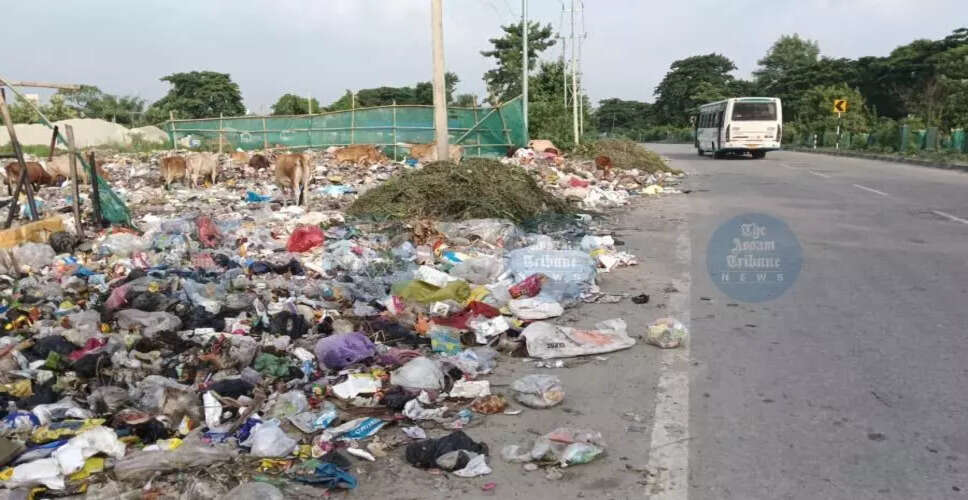
Hazardous Waste Dumping in Nalbari
Nalbari, August 8: A waste disposal site adjacent to National Highway 27 in Nalbari poses a significant threat to public health, local wildlife, and road safety. Residents have expressed their frustration towards the municipality and the Nalbari Development Authority for their negligence and inadequate planning.
This dumping ground, situated along the banks of the Pagladia River next to NH-27, has been operational for several years. The accumulation of waste, including medical refuse from nearby facilities, has expanded from the riverbank to the highway's edge. The overpowering odor forces pedestrians to cover their noses while traversing the area, and animals rummaging through the trash frequently wander onto the road, resulting in numerous accidents and fatalities.
“Hospitals and other places dump their waste here,” a local resident remarked. “It has now overflowed onto the main road, making it difficult to pass. Those living nearby endure the constant foul smell and unsanitary conditions. This situation is not just inconvenient; it poses a serious health threat.”
Environmental advocates caution that the gradual encroachment of waste into the Pagladia River has already tainted its waters, jeopardizing aquatic life and threatening the region's biodiversity. The unsanitary environment also fosters breeding grounds for disease-carrying insects and rodents.
Numerous local groups and activists have persistently called on the municipality to relocate or properly manage the dumping site, yet no meaningful action has been taken. The absence of waste segregation or treatment starkly contrasts with the objectives of the Swachh Bharat (Clean India) initiative, which the state claims to endorse.
Residents are now demanding that the Nalbari Municipal Board implement immediate corrective actions to protect public health, restore the river ecosystem, and ensure safety along this crucial national highway.