
Protests Erupt in Kashmir Amid Global Tensions: A Call for Reflection
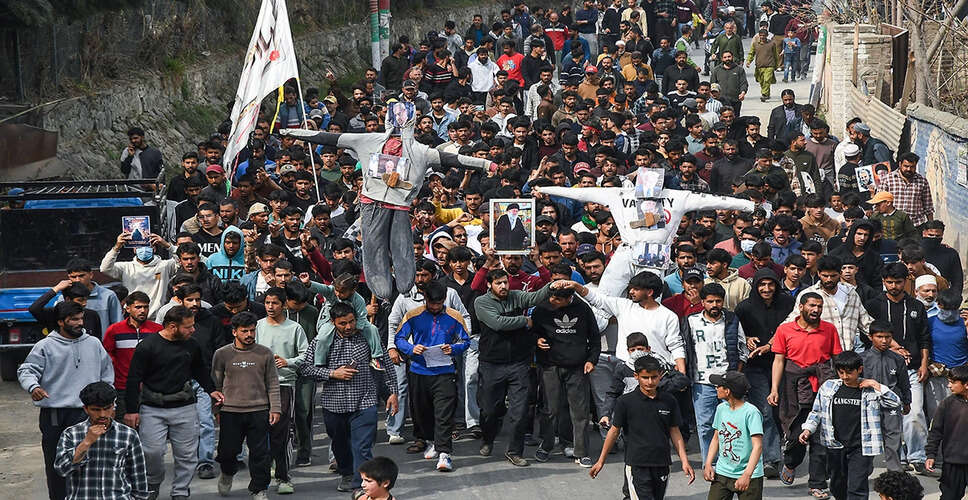
Renewed Protests in Kashmir Valley
Once again, the Kashmir Valley has witnessed familiar scenes reminiscent of its past. On the last Friday of Ramadan, residents in areas such as Srinagar, Magam, and Budgam took to the streets, voicing their opposition to the attacks on Iran by the United States and Israel. Anticipating large gatherings post-prayer, authorities imposed restrictions in several locations from early morning.
Reports indicate that these protests were particularly prominent in regions with a significant Shia population. Demonstrators chanted slogans in support of Iran and solidarity with Palestine. Officials have stated that the protests have remained peaceful thus far, with ongoing monitoring of the situation. Additionally, the historic Jamia Masjid in the Nowhatta area of Srinagar was closed as a precaution.
The Question of Relevance
This situation raises a critical question: what connection does the unrest in Iran have with the streets of Kashmir? Why is the response to conflicts in West Asia being sought in the alleys of Srinagar and Budgam? Is the peace in the valley so fragile that anger over events thousands of kilometers away manifests on its streets?
In recent years, Kashmir has gradually moved towards normalcy, with markets reopening, tourism returning, and residents striving to emerge from the shadows of violence. If crowds begin to gather in response to every international incident, how long can this newfound peace endure?
Patterns of Protest
Notably, as soon as the attack on Iran occurred, the familiar pattern of protests following Friday prayers reemerged. Is this merely coincidence, or does it reflect an organized mindset? Is it simply an emotional reaction, or is there a deeper mentality that repeatedly pushes the valley towards street confrontations?
This inquiry is crucial, especially since India is a sovereign nation. The citizens here should prioritize the peace and order of their country. If every international dispute leads to unrest, it will directly impact the internal atmosphere. The resolution of the conflict between Iran and Israel will not be achieved through protests in the streets of Srinagar.
A Call for Focus on Local Needs
Kashmiris must consider what they gain by making every global conflict part of their identity. The youth of the valley need jobs, education, and a brighter future, rather than engaging in politics of anger and slogans every Friday.
While the administration has managed the situation by imposing restrictions, the fundamental question remains: will Kashmir revert to its old ways where crowds, slogans, and confrontations become the means of political expression? Discussions regarding events in Iran will take place on global platforms, through diplomacy, and between governments. However, what message is being conveyed by risking the peace of Kashmir? The valley must decide whether to choose the path of development and stability or to allow distant conflicts to disrupt their own streets.