
Protests Erupt in Delhi Over NEET Paper Leak, Impact on Local Services
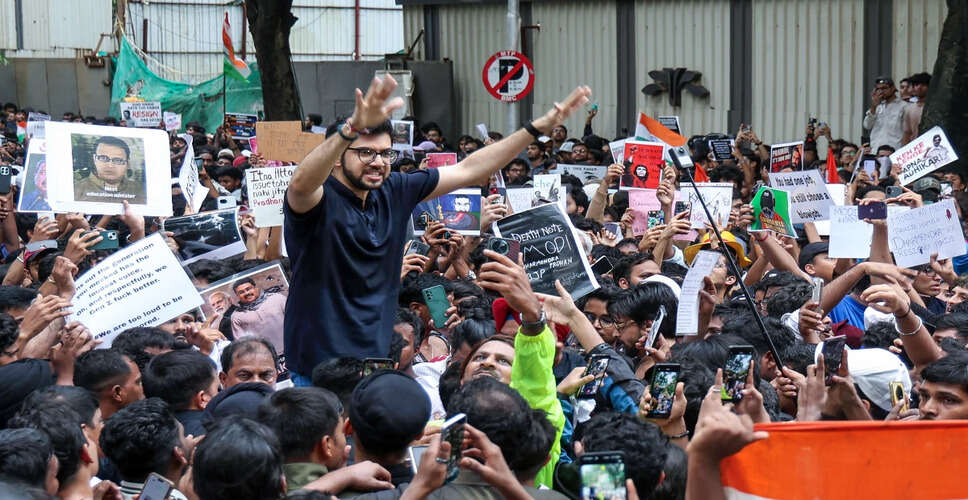

Student Protests Demand Education Minister's Resignation
Students are currently staging protests at Jantar Mantar in New Delhi, calling for the resignation of Education Minister Dharmendra Pradhan in connection with the NEET paper leak incident. As a result of these demonstrations, liquor stores in the national capital will close two hours earlier than usual, at 8 PM instead of the regular 10 PM on weekends.
According to a senior official from the Delhi government, this decision was made based on information received from the police regarding the ongoing protests at Jantar Mantar.
Closure of Delhi Metro Stations
On July 25, a total of 18 Delhi Metro stations will remain closed. The affected stations include Lok Kalyan Marg, Rajiv Chowk, Patel Chowk, Ramakrishna Ashram Marg, Barakhamba Road, Supreme Court, Seva Tirth, Janpath, Mandi House, Central Secretariat, ITO, Delhi Gate, Indraprastha, Khan Market, Jor Bagh, Shivaji Stadium, Jhandewalan, and New Delhi.
Identification of Criminals Using Facial Recognition System
Police sources reported on Saturday that during the protests at Jantar Mantar, significant information was gathered through the Facial Recognition System (FRS) deployed there. The Delhi police indicated that over 2,500 individuals with criminal backgrounds were present, and some were attempting to blend into the crowd to target law enforcement.
Following the violence that occurred on July 20, the Delhi police installed the FRS at Jantar Mantar. In the three days following—July 21, 22, and 23—more than 2,500 troublemakers were identified, leading to the filing of 15 FIRs. Authorities clarified that this surveillance system is not aimed at ordinary protesters but is designed to identify wanted criminals, fugitives, history-sheeters, and 'bad characters' who may infiltrate the protests to disrupt public order.
Cabinet Approves Bill to Prevent Paper Leaks
The central cabinet has approved a draft bill aimed at ensuring strict penalties for cases of paper leaks. This decision was made during a cabinet meeting held in the Parliament building under the leadership of Prime Minister Narendra Modi and is set to be presented in Parliament next week. The bill will amend the 'Public Examination (Prevention of Unfair Means) Act, 2024,' proposing up to 10 years of imprisonment and fines of up to 10 crore rupees for organized paper leak offenses.