
Protests Erupt in Arunachal Pradesh Against Siang Upper Multipurpose Project

Shutdown Planned in Siang Districts
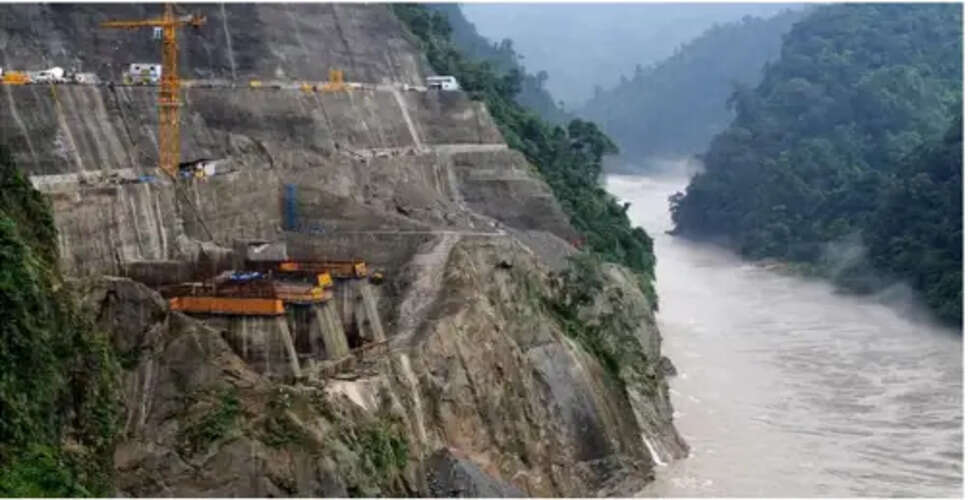
File image of the proposed Siang Upper Multipurpose Project (SUMP) in Arunachal Pradesh (Photo: AT)
Itanagar, Nov 1: The SUMP Affected Area Youth Association (SAAYA) has announced a shutdown in the Siang, Upper Siang, and East Siang districts of Arunachal Pradesh on November 2. This action is a response to the arrests of individuals protesting against the Siang Upper Multipurpose Project (SUMP).
In a communication to the Bogum Bokang Welfare Society (BBWS), which represents the Bogum Bokang-Tuting region, SAAYA requested support for the upcoming shutdown.
During an emergency executive meeting held on October 29, representatives from affected villages unanimously decided to coordinate the shutdown with the Siang Indigenous Farmer Forum (SIFF) and other local organizations.
The purpose of the shutdown is to protest against the arrests of activists involved in the movement against what they claim is an unauthorized survey and the presence of central armed police forces (CAPFs) in the affected areas.
SAAYA views these arrests as an attempt to silence the legitimate concerns of indigenous communities opposing the project.
The association has called on BBWS to provide guidance and support for a peaceful and democratic protest.
SAAYA describes the agitation as a fight to safeguard ancestral lands, the Siang River, and the future of upcoming generations, emphasizing its connection to the preservation of the Adi community's identity.
They have urged for solidarity among local organizations and residents, reaffirming their commitment to a non-violent and democratic movement.
This shutdown comes amid rising tensions in the Siang Valley regarding the 11,200-MW SUMP, a significant hydropower project proposed on the Siang River.
As one of India's largest hydropower initiatives, the project has faced ongoing resistance from segments of the indigenous Adi community, particularly those living in areas slated for development.
Concerns primarily revolve around the potential submergence of ancestral villages, displacement, loss of agricultural land and forests, and the threat to traditional lifestyles.
Reports indicate that 27 villages could be submerged, with many others likely to be impacted.
The project also holds strategic importance for the central government, which views it as crucial in light of China's ambitious hydropower project on the Yarlung Tsangpo River in Tibet, which flows into India as the Siang.
Tensions escalated in September and October as opposition to the proposed pre-feasibility report (PFR) surveys intensified. Protesters raised objections to the deployment of security forces to facilitate survey activities, arguing that the affected communities had not consented.
The situation worsened following violent incidents during protests, including attacks on vehicles and public property. In response, the administration began arrests and preventive detentions, increasing security presence in the area.
On October 11, the Upper Siang district administration imposed restrictions on public gatherings amid the unrest. Various organizations have since called for the release of detained activists, the withdrawal of security forces, and the halting of ongoing survey activities.
However, the state government insists that the current activities are merely preliminary feasibility assessments and do not signify a final decision to construct the dam.
In August 2024, the central government informed Parliament that the project was still in the preliminary investigation phase and that environmental clearances would be necessary before any construction could commence.
SAAYA's latest call for a shutdown indicates a further intensification of the protests, as community organizations aim to unify opposition across the three districts.