
Prospects of Peace: Iran Deal Progress Amidst Ongoing Tensions

Current Status of the Iran Peace Agreement
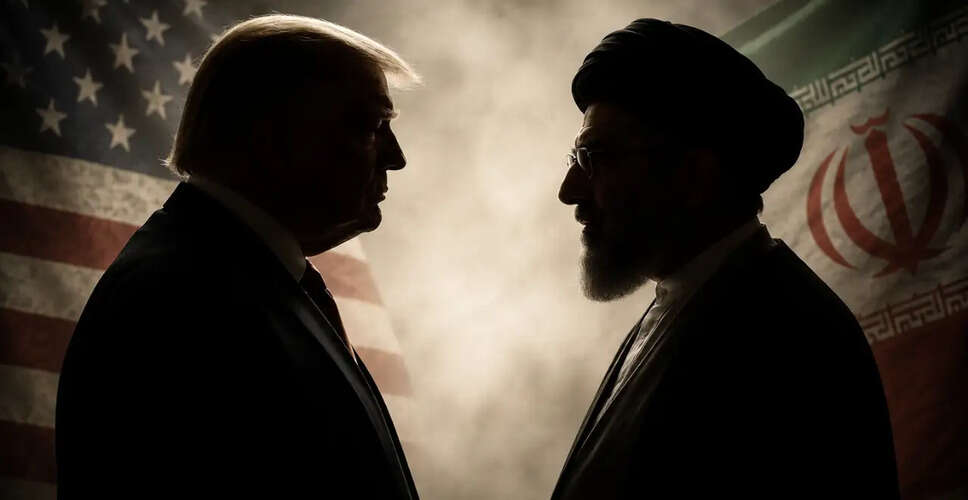
The question of whether the Iran conflict has concluded and a peace agreement is finalized remains uncertain. However, recent developments indicate that the situation is more promising than it has been since the conflict erupted on February 28. On June 14, coinciding with his birthday, US President Donald Trump announced that the agreement with Iran is "now complete," lifting the US naval blockade and permitting the Strait of Hormuz to reopen without tolls. Reports suggest that Iran's Supreme National Security Council has stated that military operations across all fronts, including Lebanon, will cease immediately. Additionally, Pakistan's Prime Minister Shehbaz Sharif confirmed that a peace deal has been established, with a signing ceremony scheduled for June 19 in Switzerland. However, it is important to note that a declaration does not equate to a signed agreement. The document in question is a memorandum of understanding (MoU) aimed at extending the current ceasefire by 60 days and initiating discussions for a permanent resolution to the conflict. Israel, a key ally of Trump, has expressed reservations about the deal, particularly regarding the territories it occupies in Lebanon, Syria, and Gaza. The period between June 15 and June 19 will be critical in determining the fate of this agreement.
1. Nuclear Issues Remain Unresolved
The MoU does not address the core issue that sparked the conflict. While it establishes a framework for managing Iran's enriched uranium stockpile, any concrete actions regarding the nuclear program will depend on a subsequent, more comprehensive agreement to be negotiated within the 60-day timeframe. Reports suggest that Iran may agree to a commitment of 15 to 20 years during which it would refrain from enriching uranium and dismantle nuclear facilities, with financial incentives linked to compliance. The current stockpile of highly enriched uranium, estimated at around 440 kilograms of material enriched up to 60 percent, has become a significant point of contention. Trump has indicated that the US, in collaboration with Iran and the IAEA, would work to locate and eliminate this material; however, Tehran has not confirmed this arrangement.
The unresolved aspects are the most challenging. Issues such as enrichment levels, monitoring protocols, and long-term assurances are deferred for future discussions. Iran has previously denied access to IAEA inspectors to verify its program, and the enriched materials are believed to be located beneath the rubble of the Fordow, Natanz, and Isfahan sites that have been targeted by the US and Israel. Thus, verification remains a theoretical promise rather than a practical process.
2. The Strait of Hormuz: Complications Ahead
Both parties agree on the reopening of the Strait of Hormuz, yet they differ on the timeline, authority, and whether a peace announcement can override the existing realities in the waterway. Prior to the conflict, approximately 20 percent of the world's oil passed through Hormuz; however, Iran effectively took control of the strait around February 28, prompting the US to impose a naval blockade. The US asserts that the Strait will reopen immediately and without tolls, with sanctions relief contingent on compliance. In contrast, Iran's proposal suggests that while the US should lift the blockade immediately, full shipping operations would resume within 30 days, contingent upon the removal of technical barriers and mines, with US forces withdrawing from the Gulf within 30 days of a final agreement.
Iranian media has characterized the reopening as occurring "under Iranian arrangements," implying that Tehran retains control over passage and timing. Iranian Foreign Ministry spokesperson Esmail Baghaei clarified that they never indicated a toll would be charged at Hormuz, but vessels navigating through would incur service fees for navigation, environmental protection, and other services provided by Iran and Oman. The friction lies in the fact that reopening Hormuz is not a simple decision that Trump can make from the Oval Office. The US has stated that clearing the mines believed to have been laid by Iran will take approximately six months, which has led to marine insurers withdrawing war-risk coverage for tankers, leaving around 2,000 ships stranded in the Gulf. Current shipping data indicates that daily transits remain significantly below pre-conflict levels, increasingly subject to Iranian conditions. A retired French vice-admiral remarked that sending ships through before a genuine cessation of hostilities would be "suicidal," and even a ceasefire would only shift the situation from 'suicidal' to 'dangerous'. Markets are currently interpreting the announcement as a sign of de-escalation, with US crude prices dropping over 4.5 percent to about $80 per barrel, and Brent prices falling around 4 percent to approximately $83, both the lowest since early March, although still up more than 20 percent since the onset of the war. However, optimism may be premature; until the mines are cleared, insurers return, and Iran relinquishes its control established since February, the strait remains a potential flashpoint.
3. Lebanon: A Crucial Test for the Agreement
Lebanon has consistently been a potential flashpoint and remains highly volatile. Following the initial ceasefire announcement by the US and Iran on April 7-8, Israel clarified that the ceasefire only applied to direct US-Iran confrontations and not to Lebanon. Shortly thereafter, Israel conducted what it termed its most intense strikes on Lebanon, resulting in at least 357 casualties. Iran has maintained that any enduring ceasefire must include a halt to Israeli actions against Hezbollah. As of June 15, shortly after the deal was announced, both Israel and Iran emphasized the significance of Lebanon. Iran's foreign ministry spokesperson Esmail Baghaei stated that Lebanon's situation and the resolution of the conflict there are integral to the ceasefire agreement. He also mentioned plans to visit regional and neighboring countries to announce the details of the memorandum of understanding before heading to Geneva. Meanwhile, Israel has stated that its military will continue to operate in security zones within Lebanon, Syria, and Gaza. Israeli Prime Minister Benjamin Netanyahu has made it clear to Trump and other senior US officials that if Iran were to attack Israel due to developments in Lebanon, Israel would respond with force.