
Prime Minister Modi's Upcoming Visit to Malaysia: A Strategic Diplomatic Move
Overview of the Visit
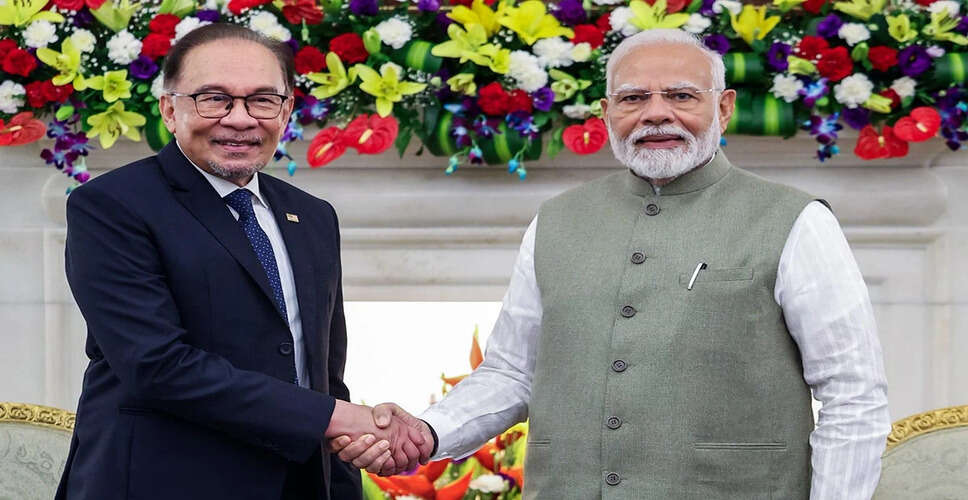
Prime Minister Narendra Modi is set to embark on an official trip to Malaysia on February 7 and 8. This visit, at the invitation of Malaysian Prime Minister Anwar Ibrahim, holds significant importance. It marks Modi's third visit to Malaysia and is the first since the two nations agreed to elevate their relationship to a comprehensive strategic partnership in August 2024. Amidst shifting global political dynamics, this trip underscores India's proactive and confident foreign policy.
Key Discussions and Events
During the visit, extensive discussions are planned between the two leaders in Kuala Lumpur, covering various topics such as trade, investment, defense, security, maritime cooperation, digital and financial technology, energy, health, education, culture, tourism, and people-to-people connections. Additionally, the tenth conference of the India-Malaysia Chief Executive Officers Forum will take place, potentially steering economic collaboration in new directions. The historical ties between India and Malaysia are deep-rooted in history, civilization, and culture, with approximately 2.9 million people of Indian descent residing in Malaysia, forming one of the largest Indian diaspora communities globally. This community acts as a bridge between the two nations, and Modi is expected to address them, with around 15,000 attendees gathering in a large auditorium in Kuala Lumpur for his welcome, organized by over 60 community organizations. This event will vividly showcase the diversity of India and its integration with Malaysian society.
Cultural Significance of the Timing
This visit coincides with a festive period in Malaysia, featuring celebrations like Thaipusam, the Chinese New Year, and traditional dance events, which will enhance the celebratory atmosphere. Modi's presence during this time will highlight India's soft power and convey the message that India is a society that embraces diversity. It's worth noting that Modi could not attend the ASEAN summit held in Malaysia last October due to domestic reasons, with External Affairs Minister S. Jaishankar representing India instead. This upcoming visit will help address that absence.
Economic and Strategic Importance
Malaysia stands as India's third-largest trading partner in the ASEAN region, making this visit strategically significant, especially as India leads the BRICS group this year and prepares to host a summit. Modi emphasized during the recent ASEAN-India summit that the 21st century belongs to both India and ASEAN, reaffirming India's commitment to ASEAN unity, its central role, and the Indo-Pacific vision. He assured efforts to expedite the review of the free trade agreement, benefit over two billion people, strengthen regional stability, combat terrorism collectively, and support the action plan for 2026-2030. By congratulating Timor-Leste on becoming a new ASEAN member, India has also demonstrated its support for regional inclusion.
Broader Diplomatic Context
Moreover, recent visits by leaders from several Islamic nations to India, along with the recent visit of Gulf foreign ministers, indicate that Modi's trip to Malaysia signifies that India's diplomatic outreach extends beyond the West. India has maintained balanced and respectful relations from West Asia to Southeast Asia. The growing ease in India's relations with Muslim-majority countries is a result of continuous dialogue, mutual respect, and shared interests. From the Gulf to Southeast Asia, India has shown that it speaks the language of interests and cooperation rather than religion. The Malaysia visit is a continuation of this trend.
Conclusion: A Message of Partnership
The message of Modi's visit to Malaysia is clear: India seeks friendship while prioritizing its interests. It desires partnerships based on mutual respect. Most importantly, it signals to the world that New Delhi is now an active player on the global stage. This is the true strategic significance of this visit.