
Prime Minister Modi Urges Citizens to Conserve Fuel for Economic Stability

Fuel Conservation for Economic Growth
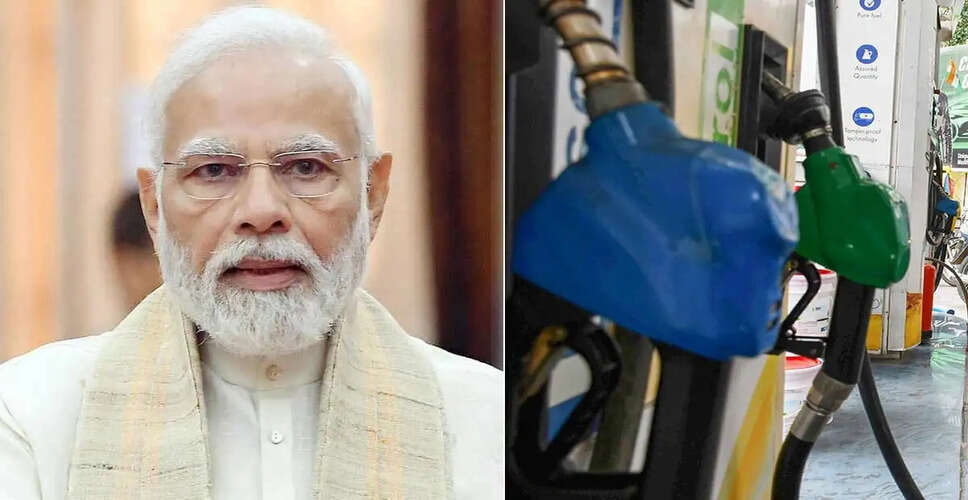
Prime Minister Narendra Modi has called upon the citizens of India to save fuel, emphasizing the importance of conserving valuable foreign currency spent on fuel imports. This responsibility extends beyond the government; it is a duty for every Indian. A significant portion of India's fuel needs is met through imports, leading to a substantial outflow of national wealth. By reducing fuel consumption, not only can we strengthen our foreign exchange reserves, but we can also contribute to environmental protection and economic self-reliance.
Work from Home Initiatives
In response to the Prime Minister's appeal, several companies are considering implementing work-from-home arrangements for their employees. This shift could lead to savings on petrol and diesel expenses associated with commuting. Additionally, increased use of public transportation is essential. Utilizing buses, trains, and shared vehicles can decrease the number of vehicles on the roads, thereby reducing fuel consumption. For those who travel short distances daily, adopting cycling or walking can promote better health while conserving fuel.
Adopting Efficient Driving Habits
One effective strategy for saving fuel is to adopt proper driving habits. Driving at unnecessary high speeds leads to increased fuel consumption. Instead of sudden braking and rapid acceleration, maintaining a steady speed is advisable. Turning off the engine while waiting at red lights can also help conserve fuel. Regular vehicle maintenance and ensuring proper tire pressure are additional measures that can lead to reduced fuel usage.
Energy Conservation at Home
Energy conservation at home is equally crucial. Saving electricity is indirectly linked to fuel conservation, as coal and other resources are used in electricity generation. It is important to turn off unnecessary fans, lights, and appliances. Embracing alternative energy sources like solar power is becoming increasingly necessary. If every household saves a little energy, the cumulative effect can be significant at the national level.
Supporting Indigenous Products
In addition to fuel conservation, using locally produced goods plays a vital role in saving foreign currency. Prioritizing domestic products reduces imports and keeps the nation's wealth within its borders. By supporting local products, we can strengthen the economy.
Collective Responsibility for Nation Building
It is essential to recognize that nation-building is not solely the government's responsibility. Every citizen's small effort can empower the country. If each Indian views fuel conservation as a moral obligation, India can become economically stronger and more self-sufficient. The current need is not just for awareness but for collective resolve and behavioral change. Only then can we build a secure, prosperous, and self-respecting India for future generations.
Population Control and Resource Management
Furthermore, we must understand that population growth directly impacts fuel consumption and foreign currency expenditure. A larger population necessitates more transportation, electricity, industry, and resources. This leads to more vehicles on the roads, increased fuel consumption, and greater reliance on imports. Therefore, population control should be considered a crucial aspect of this initiative. Smaller families can alleviate pressure on resources, making it easier for the government to balance development in education, health, and transportation. Population control is not merely about reducing numbers; it is about fostering an informed and responsible society. Promoting education, empowering women, and raising awareness about family planning are essential steps. When the population is balanced, the proper use of fuel, water, food, and other resources becomes feasible, reducing unnecessary foreign currency expenditure.