
Prime Minister Modi Leads Security Meeting Amid Global Tensions

Cabinet Committee on Security Meeting Overview
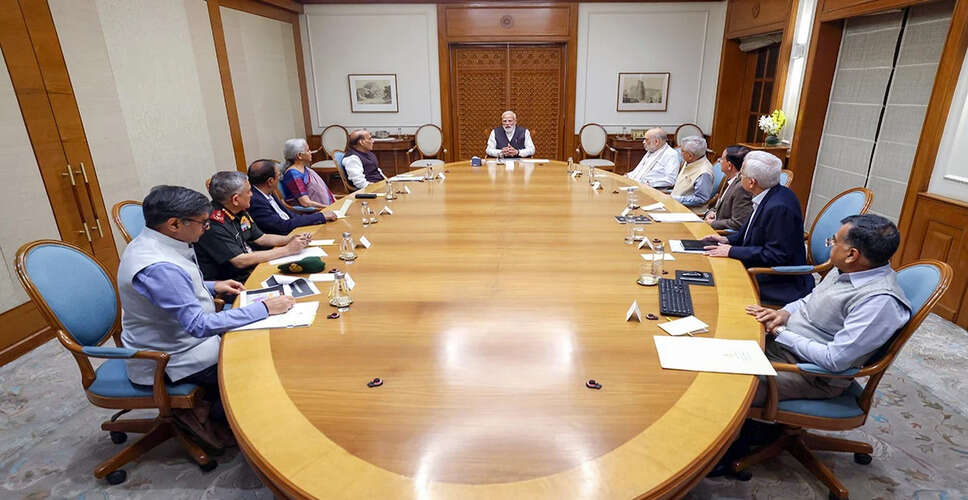
In light of escalating tensions in POK and ongoing conflicts in West Asia, Prime Minister Narendra Modi convened a special meeting of the Cabinet Committee on Security (CCS) at the Parliament on Thursday. The government reviewed strategies across multiple fronts, including security, energy supply, and economic interests. A key takeaway from the meeting was the commitment to ensure that the supply of petroleum products, LNG, LPG, fertilizers, and other essential goods remains uninterrupted, regardless of global instability. This marked the fourth consecutive special CCS meeting, underscoring the government's vigilance regarding the potential impacts of the West Asian crisis on India.
Geopolitical Review and Supply Chain Assessment
According to the Prime Minister's Office (PMO), the meeting involved a thorough evaluation of the ongoing conflict in West Asia and its geopolitical ramifications. Additionally, the steps taken by various ministries and departments to maintain supply chain continuity were assessed. This being the fourth special CCS meeting on the issue highlights the government's seriousness in addressing these challenges.
Key Ministers in Attendance
The meeting included key figures such as Defence Minister Rajnath Singh, Home Minister Amit Shah, External Affairs Minister S. Jaishankar, and Finance Minister Nirmala Sitharaman. Special invitees included Minister of Chemicals and Fertilizers J.P. Nadda, Commerce Minister Piyush Goyal, Shipping Minister Sarbananda Sonowal, Petroleum Minister Hardeep Singh Puri, and National Security Advisor Ajit Doval. These ministers provided updates on their respective ministries' preparations and measures to ensure the uninterrupted import of petroleum, natural gas, fertilizers, and other essential items.
Current Geopolitical Situation and Government Measures
Cabinet Secretary T.V. Somanathan presented a detailed overview of the current geopolitical landscape. He informed that the government has implemented several precautionary measures to ensure the adequate availability of petroleum products, LNG, LPG, and fertilizers. The sources for LPG procurement have already been diversified, reducing dependence on any single region. Furthermore, the stock and supply situation of major petroleum products in the country remains satisfactory.
Assurance of Fuel Availability
The Modi administration reassured that public sector refineries are operating at over 100% capacity due to sufficient crude oil availability. This ensures a continuous supply of petrol, diesel, and other petroleum products, indicating that there is currently no risk of a fuel crisis in the domestic market despite tensions on international maritime routes.
Promotion of Natural Gas Usage
The meeting also highlighted the government's rapid efforts to promote the use of natural gas. The expansion of piped natural gas (PNG) connections has significantly increased the number of consumers. Initiatives to enhance the national gas grid, strengthen LNG import and regasification infrastructure, expand city gas distribution networks, and expedite approvals for pipelines and final connectivity are being prioritized. The government aims to encourage the use of natural gas in industries as a substitute for LPG.
Fertilizer Availability for Rabi Season
With the Rabi season approaching, the availability of fertilizers was a crucial agenda item. The demand for essential fertilizers for the upcoming crop cycle was assessed, and discussions on alternative import sources took place. Prime Minister Modi emphasized that the supply of fertilizers to farmers must not be affected under any circumstances, and necessary actions should be taken immediately.
Coordinated Strategy for Citizen Safety and Economic Interests
During the meeting, Prime Minister Modi instructed ministers to develop a coordinated strategy to safeguard Indian citizens, protect the nation's economic interests, and address supply chain disruptions caused by global conflicts. Special emphasis was placed on strengthening alternative supply mechanisms and import arrangements, particularly in light of rising tensions in sensitive maritime routes such as the Strait of Hormuz, Black Sea, Red Sea, and Gulf of Aden.
Conclusion: A Comprehensive Approach to Security and Stability
Ultimately, this high-level CCS meeting signaled that the government is not only focused on security challenges but is also prioritizing energy security, food security, and economic stability. In this era of global tensions, India's strategy is clear: to ensure that supply chains remain operational, protect citizens' interests, and minimize the impact of external crises on the country's economy.