
Prime Minister Modi Honors Basava Jayanti with Tribute to Jagadguru Basaveshwara
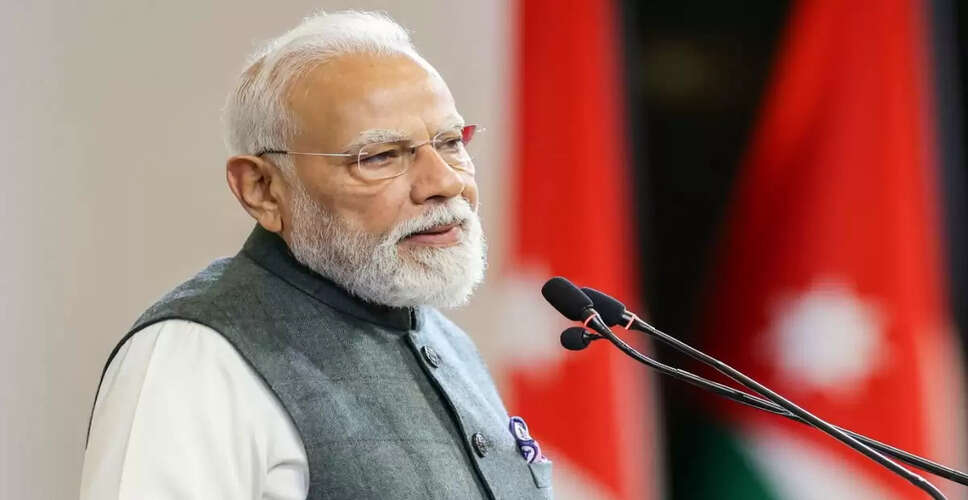

Tribute to Jagadguru Basaveshwara
On the occasion of Basava Jayanti, Prime Minister Narendra Modi paid homage to Jagadguru Basaveshwara on Monday, emphasizing that his vision for a just society and relentless efforts to empower people will continue to inspire us all.
In a post on 'X', Modi stated, "On this special occasion of Basava Jayanti, I pay my respects to Jagadguru Basaveshwara and his teachings. His dream of a just society and unwavering commitment to empowering the masses will always motivate us."
Basaveshwara, a 12th-century poet-philosopher and the founder of the Lingayat sect, is also known as Basavanna.
Celebrating Basava Jayanti
Basava Jayanti is primarily celebrated to honor the birth anniversary of the great social reformer, philosopher, and poet Mahatma Basaveshwara (also referred to as 'Basavanna'). This festival is celebrated with great enthusiasm, especially in parts of Karnataka, Maharashtra, and Telangana.
Key Reasons for Celebrating Basava Jayanti
The main reasons for celebrating Basava Jayanti and his philosophies are as follows:
Establishment of a Caste-Free Society
Basavanna strongly opposed the caste system, untouchability, and discrimination prevalent in society during his time. He prioritized 'human dharma' and taught that no one is superior or inferior based on birth.
Experience Mante (Foundation of Democracy)
He established the 'Experience Mante', considered the world's first democratic assembly, where individuals from all walks of life (women, men, rich, poor) gathered to discuss spiritual and social issues.
Kaya Ka Ve Kailasa (Work is Worship)
Basavanna's most famous principle was 'Kaya Ka Ve Kailasa', meaning that honest labor is akin to heaven. He promoted the dignity of labor and asserted that everyone should earn their livelihood through hard work.
Empowerment of Women
In the 12th century, he advocated for equal rights for women, encouraging them to pursue education and participate in social discussions.
Education through Vachana Literature
Instead of complex religious texts, he wrote simple 'Vachanas' in the common language (Kannada) to ensure that ordinary people could access moral and spiritual knowledge.