
Price Hike Alert: CNG and PNG Rates Increase in Maharashtra
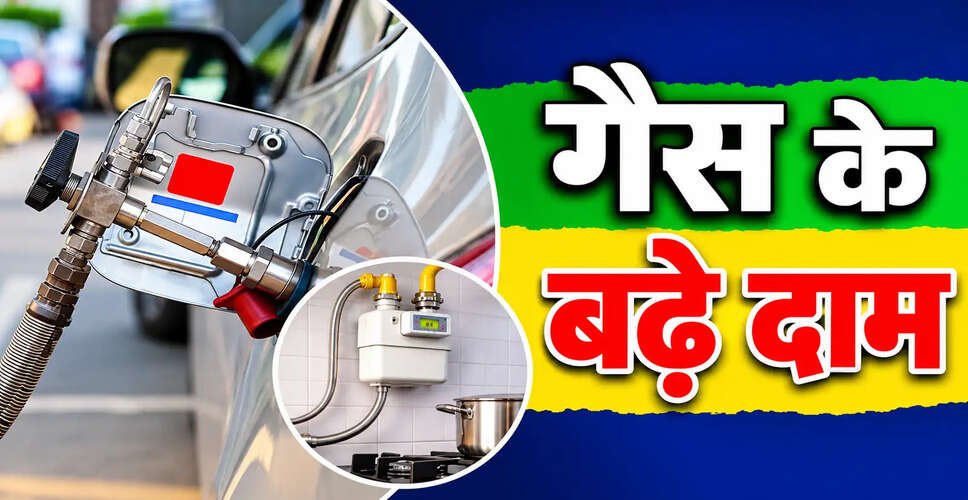

Impact of Rising Fuel Prices
Consumers are facing another blow from inflation as the prices of CNG and PNG have surged following previous hikes in petrol and diesel. Maharashtra Natural Gas Limited (MNGL) has announced an increase in gas prices in Pune and Pimpri-Chinchwad. The new rates took effect at midnight on November 12 and 13. This increase will directly impact users of CNG vehicles and households relying on pipeline gas.
Details of the Price Increase
The company has raised the price of CNG by ₹1.25 per kilogram and domestic PNG by ₹1.50 per standard cubic meter (SCM). This adjustment will lead to higher expenses for auto drivers, cab operators, and individuals using private CNG vehicles. Additionally, the rise in PNG prices will affect household budgets for cooking.
New CNG Pricing
Previously, the cost of CNG in Pune and Pimpri-Chinchwad was ₹97.75 per kilogram. With the recent increase, the new price is now ₹99 per kilogram.
This hike will significantly impact daily commuters who rely on this fuel, particularly auto-rickshaw and taxi drivers, as their daily operational costs will rise.
Updated PNG Pricing
The price of PNG delivered through pipelines to homes has also increased. The new rate has risen from ₹50.25 to ₹51.75 per SCM after a ₹1.50 increase.
This price adjustment will likely lead to higher monthly gas bills for domestic consumers.
CNG Price Increases in Nashik and Dhule
CNG prices have also been raised in Nashik and Dhule, with an increase of ₹1.25 per kilogram, bringing the new rate to ₹99.75 per kilogram.
Reasons Behind the Price Hike
According to MNGL, the increase in gas prices is attributed to rising input costs and the escalating expenses associated with imported regasified liquefied natural gas (RLNG). The growing share of imported natural gas in the overall supply has put pressure on the company's costs.
As a result, the company has adjusted the retail prices of CNG and PNG.
Financial Impact on Consumers
The rise in CNG prices will lead to increased fuel expenses for daily vehicle users. Similarly, the hike in PNG prices may result in higher monthly gas bills for households. For auto and cab drivers, this increase could disrupt the balance between their earnings and expenses.
Overall, this price hike in gas will impose an additional financial burden on both vehicle operators and domestic consumers.