
President Approves New Rural Employment Law to Replace MGNREGA
Introduction of the VB-G RAM G Bill, 2025
On Sunday, President Droupadi Murmu officially approved the Viksit Bharat-Guarantee for Rozgar and Ajeevika Mission (Gramin) Bill, 2025, paving the way for a new rural employment framework that will succeed the Mahatma Gandhi National Rural Employment Guarantee Act (MGNREGA).
Parliamentary Passage Amid Opposition
The VB-G RAM G Bill, 2025 received approval from both Houses of Parliament despite significant protests from opposition parties. The Lok Sabha passed the bill on Thursday, even as members voiced their discontent over the removal of Mahatma Gandhi's name from the initiative. Subsequently, the Rajya Sabha approved it after midnight on Friday.
Background of MGNREGA
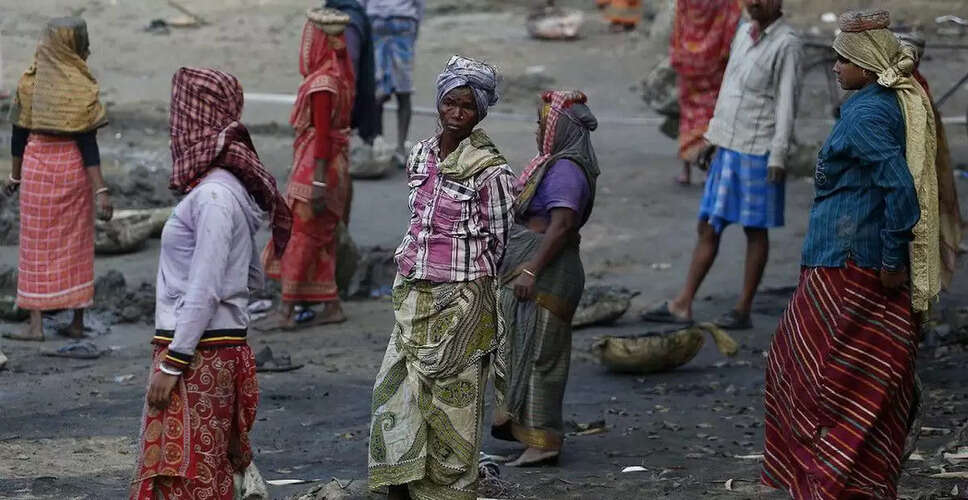
MGNREGA was launched in 2005 by the Congress-led United Progressive Alliance, aiming to improve livelihood security for rural households. The program guaranteed 100 days of unskilled labor annually for every rural household that requested it, encompassing all districts nationwide.
Key Changes in the New Law
The new legislation will increase the guaranteed workdays from 100 to 125, with states responsible for 40% of the costs. The central government will continue to cover the wage component, while states will manage material and administrative expenses.
Criticism from Experts
The new law has faced backlash from economists and labor rights advocates. On Thursday, Nobel laureate Joseph Stiglitz and nine other scholars issued an open letter to the government, cautioning that the repeal of MGNREGA would constitute a 'historic error.'
Concerns Over New Provisions
Experts have expressed worries that certain provisions in the new law may lead to unequal access to employment and could encourage distress migration, particularly since the government will determine which rural areas will receive job opportunities. Additionally, a clause permitting a 60-day suspension of guaranteed work during agricultural seasons has raised alarms among labor rights organizations, who argue it could undermine workers' bargaining power and expose farm laborers to exploitation.
Official Announcement
President gives assent to Viksit Bharat- Guarantee for Rozgar and Ajeevika Mission (Gramin) (VB- G RAM G) Bill, 2025
— PIB Rural Development (@PIB_MoRD) December 21, 2025
The Act Enhances Statutory Employment Guarantee to 125 Days
Read here- https://t.co/nCLBrDLJoO