
Positive Developments in India-China Trade Relations: Permanent Shops for Indian Traders in Tibet
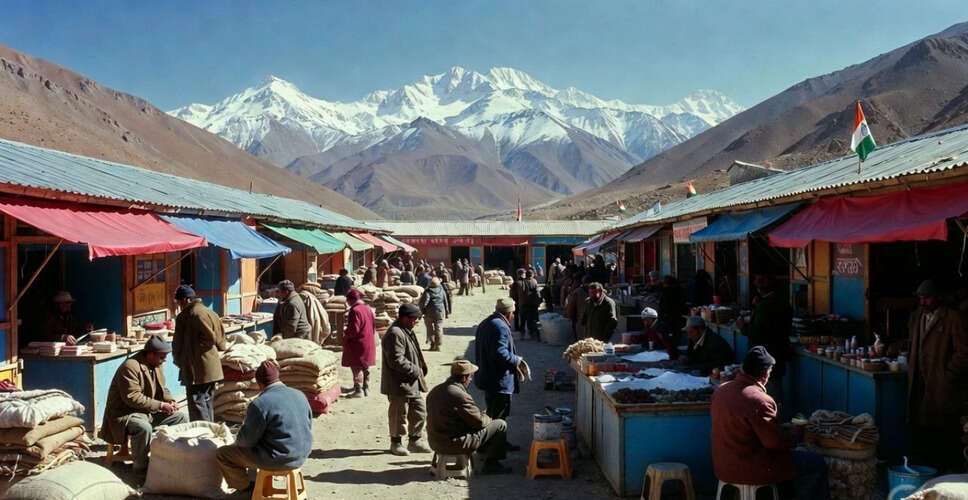
New Opportunities for Indian Traders in Tibet
In a surprising turn of events amidst the ongoing tensions between India and China, a positive development has emerged. China has decided to allocate permanent shops to Indian traders in the Tibet region, allowing them to conduct business more effectively. This initiative is seen as a significant step towards enhancing border trade and revitalizing economic activities between the two nations.
According to sources, permanent shops have been established in traditional trading centers in Tibet for Indian merchants, enabling them to operate their businesses year-round instead of relying on temporary structures. This decision is particularly beneficial for Indian traders who have faced numerous challenges due to weather conditions and logistical issues over the years.
Reports indicate that this arrangement is part of existing border trade agreements that permit local commerce in border areas between India and China. Indian traders have historically sold woolen garments, spices, herbs, household items, and traditional goods in Tibetan markets, while importing salt, wool, and other local products into India.
Business representatives have expressed that the availability of permanent shops will enhance the security and organization of trade. Previously, traders had to set up temporary tents or wooden structures, which often resulted in losses during adverse weather. With permanent shops, businesses can operate more sustainably, fostering customer trust.
Experts believe that this move signifies more than just a trade agreement; it may also indicate a thaw in relations between India and China. Tensions have persisted due to border disputes in recent years, but small economic and trade initiatives are now viewed as crucial steps towards rebuilding trust.
Government sources have revealed that officials from both countries are engaged in ongoing discussions to reactivate border trade. The commencement of local trade is expected to boost incomes and create job opportunities for residents in border regions.
Traders have welcomed China's decision, stating that if cooperation continues to grow, border markets could regain their former vibrancy. They believe that trade is essential for strengthening trust and relationships between the peoples of both nations.
Currently, the new facilities granted to Indian traders in Tibet are seen as a significant shift, with hopes that this will invigorate border trade and foster a positive atmosphere in India-China economic relations.