
Political Turmoil for UK Prime Minister Amid Defence Spending Resignations

Political Crisis Unfolds in the UK
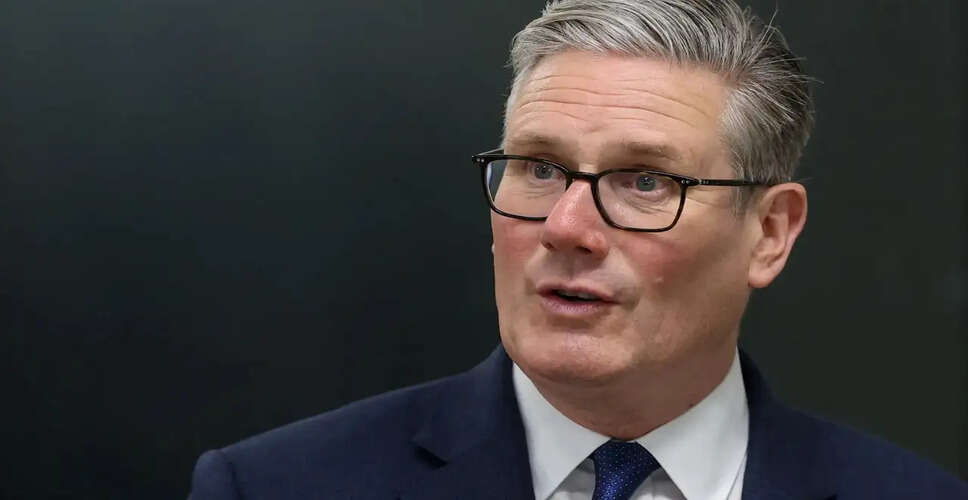
New Delhi/London: The political landscape for British Prime Minister Sir Keir Starmer is facing significant upheaval following the resignation of Defence Secretary John Healey. This departure stems from a contentious disagreement regarding military funding, raising serious questions about Starmer's leadership and the future of the Labour Party. The situation escalated further when Armed Forces Minister Al Carns also stepped down, criticizing the government's defence budget as inadequate amidst escalating global threats.
Reasons Behind Healey's Resignation
Why Did Healey Resign?
The core issue revolves around the government's Defence Investment Plan (DIP), which outlines funding for military modernization over the next decade. Healey, a key ally of Starmer and a respected figure within the Labour government, expressed that the Treasury's funding package was insufficient to address the current threats facing the nation. In his resignation letter, he stated, "You have been unable, and the Treasury has been unwilling, to commit the resources that the nation needs to defend the country at this time of rising threats." He emphasized that the proposed spending would only increase defence expenditure to 2.68% of GDP by 2030, which is significantly below the necessary levels.
Further Resignations Escalate the Crisis
Second Resignation Adds to Crisis
The crisis deepened with the resignation of Armed Forces Minister Al Carns, who stated he could not support a funding plan he deemed inadequate for Britain's military needs. Carns had previously indicated he might wait for the finalization of the defence plan before making a decision, but after candid media interviews, he opted to resign via social media. Additionally, Labour MP Pamela Nash resigned from her role as Healey's parliamentary aide, citing delays in defence funding decisions as detrimental to public trust in the government.
Dispute Over Defence Spending
What Is the Dispute About?
The disagreement centers on the appropriate level of defence spending and the urgency of increasing that budget. Starmer has committed to raising defence spending to 2.5% of GDP by 2027 and eventually to 3% by 2035. Critics within the military establishment argue that this timeline is too slow given the current global security landscape. Reports indicate that the Treasury was willing to allocate an additional £13.5 billion for defence over four years, which falls short of the £28 billion requested by the Ministry of Defence. Healey pointed out that much of the proposed funding would not be available until later in the decade, while immediate military readiness is crucial.
Concerns Over National Security
Experts Warn of Security Risks
Retired General Richard Barrons, who contributed to Britain's defence review, criticized the government's approach, stating that the UK is "actively going backwards" by failing to adequately fund its defence strategy. He warned that this diminishes the UK's standing within NATO and increases vulnerability to modern conflicts. Barrons emphasized that both allies and adversaries are closely observing the UK's military commitments.
Starmer's Leadership Under Scrutiny
Starmer's Political Troubles Deepen
The resignations have amplified concerns regarding Starmer's leadership capabilities. He has faced mounting criticism following disappointing election outcomes and growing discontent within Labour. Healey's resignation marks the second high-profile departure from the cabinet in recent weeks, reinforcing perceptions of instability within the government. Conservative Party leader Kemi Badenoch remarked that Healey's resignation was "the honourable thing" to do, describing his letter as "shocking." Political analysts suggest that this incident is particularly damaging for Starmer, as defence and foreign policy were previously viewed as his strong suits.
Looking Ahead
What Happens Next?
Former army officer Dan Jarvis has been appointed as the new Defence Secretary, tasked with finalizing a defence plan that his predecessor deemed inadequate. With an important NATO summit approaching and internal criticism escalating, Starmer must reassure both his party and the military establishment of his commitment to national security. The resignation of a close ally has turned a funding dispute into a critical test of Starmer's leadership and his ability to maintain control over a government increasingly divided on its priorities.