
Political Tensions Rise Over NEET Exam Paper Leak in Parliament

Political Response to NEET Exam Controversy
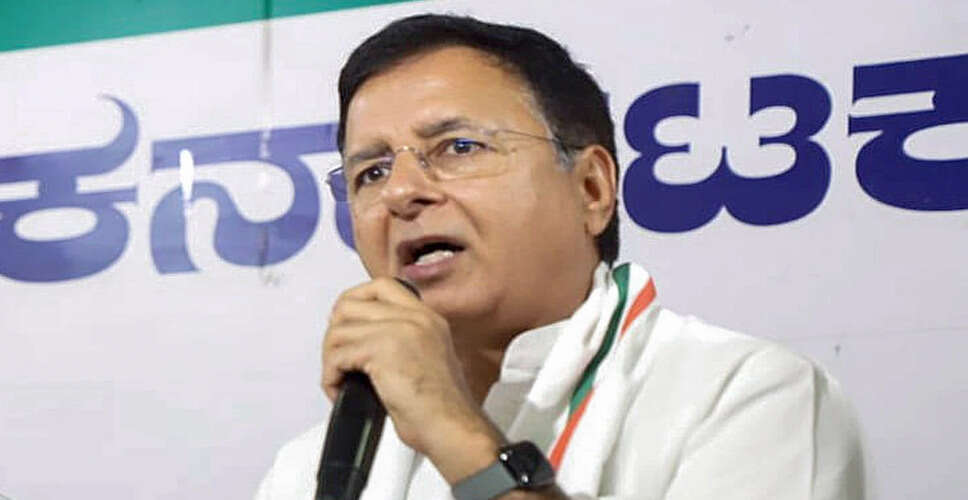
During the ongoing monsoon session of Parliament, the controversy surrounding the NEET (NEET-UG) exam paper leak and the police actions against students has escalated political tensions. Congress MP Randeep Surjewala submitted a notice under Rule 267 in the Rajya Sabha on Thursday, calling for an immediate discussion on the institutional crisis affecting the country's examination system, thereby suspending all scheduled proceedings.
In his notice, Surjewala emphasized the need for the House to prioritize a discussion on this serious crisis that has arisen in India's examination framework, halting zero hour, question hour, and other planned activities. He pointed out that the cancellation of the NEET exam has adversely impacted the futures of over 2.2 million candidates, creating an atmosphere of significant uncertainty and dissatisfaction among students.
Concerns Over Examination Integrity
Surjewala stated, "The House must immediately address the institutional crisis within India's examination system by suspending the rules related to zero hour and question hour." He highlighted the urgency of this discussion, particularly after allegations surfaced regarding organized paper leak syndicates, which led to the cancellation of the NEET-UG 2026 exam, affecting more than 2.2 million candidates. Furthermore, he noted that repeated incidents of paper leaks in at least 65 recruitment exams have revealed persistent systemic flaws despite existing legal safeguards.
The Congress MP also raised concerns about serious deficiencies in the implementation of the Central Board of Secondary Education's (CBSE) 'on-screen marking' (OSM) system, which has resulted in widespread complaints regarding evaluation, transparency, and procedural fairness. He mentioned that millions of students have faced severe academic, financial, and mental challenges due to these issues, including reports of at least 93 student suicides linked to NEET over the past five years.
Call for Institutional Reforms
In his notice, Surjewala also referenced reports of police actions against students and parents who were peacefully protesting for accountability and reforms. He asserted that immediate institutional reforms are necessary to ensure fairness, transparency, and reliability in examinations and public recruitment processes.
Surjewala concluded, "Given these serious concerns, it is imperative that the House deliberates on this matter without delay." This notice comes at a time when the Congress party has called for the suspension of all parliamentary activities to demand a comprehensive discussion on the NEET paper leak, student protests, and police actions against them.
The government has expressed its willingness to discuss the NEET issue; however, the Congress insists that this discussion should occur under Rule 267 in the Rajya Sabha and Rule 56 in the Lok Sabha. The monsoon session of Parliament commenced on July 20, but due to opposition disruptions, no business was conducted in either house during the first three days.