
Political Tensions Rise Over Japanese PM's Uncertain Assam Visit

Speculation Surrounds Japanese PM's Visit to Assam
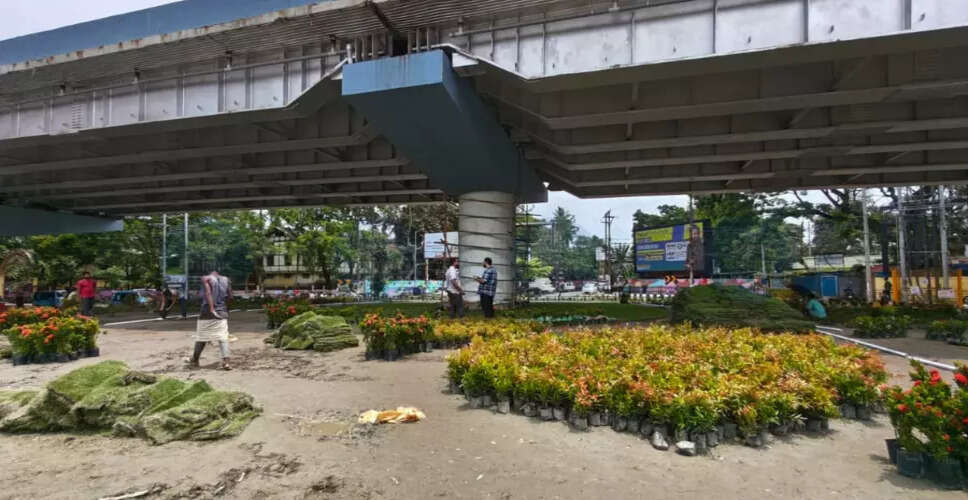
Workers engaged in Guwahati beautification drive ahead of now uncertain Japan PM's visit to Assam on July 1 (Photo: AT)
Guwahati, June 23: The potential cancellation of Japanese Prime Minister Sanae Takaichi's planned trip to Assam has sparked a political uproar in the state, with contrasting opinions from the ruling BJP and opposition leaders, despite the lack of any official confirmation from Indian or Japanese officials.
The discussion intensified on Tuesday following reports from various national media outlets suggesting that Takaichi's visit to Guwahati might be scrapped due to "scheduling conflicts" and "logistical issues," with her itinerary likely limited to New Delhi.
Sources indicate that the Prime Minister's domestic obligations, including a session of the Diet (Japanese Parliament), have restricted her travel options, complicating plans for visits outside the capital.
As of the time of this report, there has been no official statement from the central government, the Assam administration, or Japanese representatives regarding any changes to the planned visit.
Nonetheless, preparations for her anticipated arrival, including beautification projects in Guwahati, are still underway throughout the city.
Despite the absence of formal announcements, the reports have ignited political debates in Assam.
BJP MLA Chakradhar Gogoi expressed disappointment over the situation, stating that a visit from a leader of a major economy could have fostered new investment opportunities for the state. He remarked, “It is unfortunate for Assam if these reports are accurate. This would mark the second cancellation of a visit by a Japanese Prime Minister.”
Gogoi drew comparisons to the cancellation of former Prime Minister Shinzo Abe's visit in 2019, which was called off amid protests against the Citizenship Amendment Act (CAA), suggesting that disruptions often occur during significant international engagements in the state.
“Chief Minister Himanta Biswa Sarma had initiated various preparations and beautification efforts. Such visits can lead to substantial investments and opportunities for Assam. We should focus on development rather than creating obstacles that hinder progress,” he added.
He also linked the potential cancellation to the recent controversy regarding the removal of a mural depicting Assam’s cultural figure Zubeen Garg from a flyover in Ganeshguri.
On the other hand, opposition leaders dismissed any connection between the mural issue and the reported cancellation, asserting that the matter had been resolved and did not escalate further.
Leader of the Opposition and Congress member Wajid Ali Choudhury stated, “I do not believe the mural protest is the reason behind the possible cancellation of the Japanese Prime Minister's visit. The mural was restored, and the situation did not worsen. There could be other factors at play.”
This political discourse arises from a controversy that began on June 18 when the mural was removed during a beautification initiative ahead of the proposed visit, which was later restored following public backlash.
Currently, uncertainty looms over whether Takaichi's schedule will include Assam. However, even in the absence of official confirmation, speculation has already permeated the political landscape, with parties debating its potential impact on Assam's reputation, investment opportunities, and international relations.