
Political Tensions Rise in the Middle East Amid Trump's New Strategy
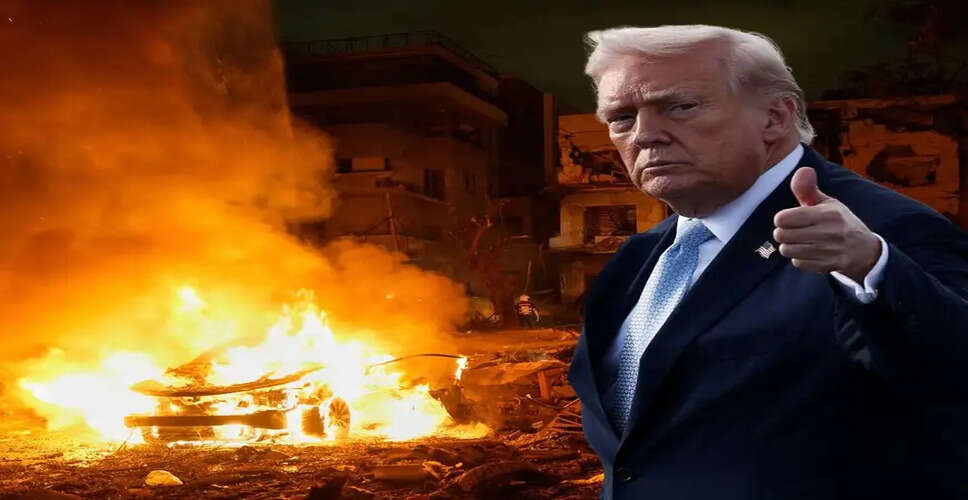
Escalating Political Dynamics in the Middle East
Political activity in the Middle East is intensifying once again. Concerns are mounting in Gulf nations regarding former U.S. President Donald Trump's alleged new strategic plan, particularly in light of escalating tensions with Iran.
According to sources, Trump's potential policies could significantly alter the economic and military landscape in the Gulf region. Countries like Saudi Arabia and the United Arab Emirates are apprehensive that a shift in U.S. strategy could lead to increased instability in the region, directly impacting oil trade.
Experts warn that any confrontation with Iran poses a substantial threat to the Gulf's oil reserves and maritime trade routes. Consequently, it is natural for Arab nations to feel heightened anxiety regarding Trump's possible policies.
Some analysts suggest that this strategy is being formulated to bolster U.S. interests, yet it may result in economic setbacks and security challenges for Gulf countries.
Overall, the rising political heat in the Middle East signals potential significant changes ahead. All eyes are now on how the situation between the U.S. and Iran evolves and the profound effects it may have on Gulf nations.