
Political Stalemate in Bihar Amid Opposition Demands and Legislative Agenda
Political Tensions Rise in Bihar
In Bihar, discussions surrounding the Special Intensive Review (SIR) exercise and the unexpected resignation of Vice President Jagdeep Dhankhar have led to a political impasse. Amidst this backdrop, the government has listed six bills for today's agenda, including the National Sports Administration Bill, 2025, aimed at promoting sports and providing facilities and welfare measures for athletes, as well as the National Anti-Doping (Amendment) Bill, 2025. However, the ongoing uproar from the opposition has hindered parliamentary proceedings, preventing any meaningful debate.
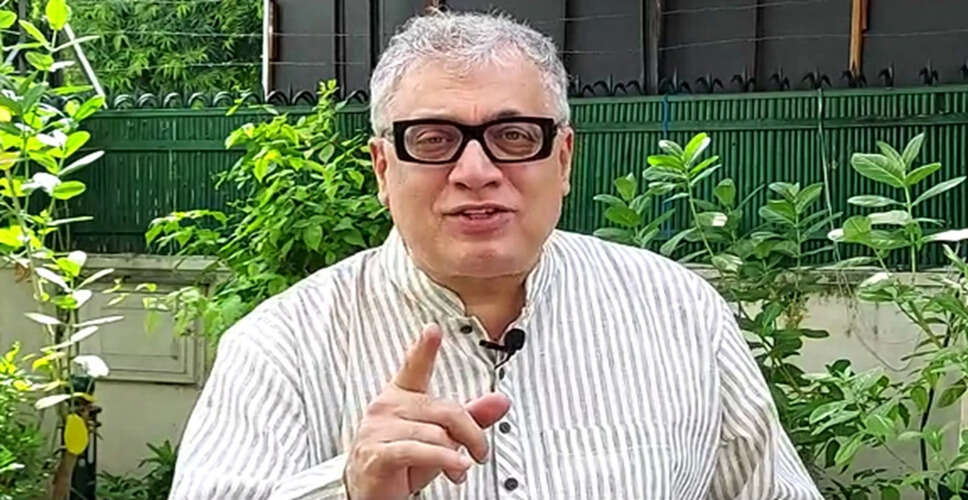
Opposition members have been vocally protesting both inside and outside the parliament. In light of this behavior, Derek O'Brien, a leader from the Trinamool Congress, remarked on Wednesday that the government benefits the most when parliament is not in session.
Criticism of Government's Handling of Parliament
In a post on the social media platform 'X', O'Brien criticized the central government for wasting two days of the monsoon session, attributing the blame to them. He stated, "The central government has squandered two days of parliament. When parliament is not functioning, who benefits? The government in power."
He emphasized that the government is accountable to parliament, which in turn is accountable to the public. When parliament is inactive, the government escapes accountability. O'Brien also shared an article from his blog, highlighting that the total duration of the monsoon session is 190 hours, of which approximately 70% is allocated for government business.
He pointed out that nearly half of the questions during question hour and half of the notices during zero hour are submitted by opposition members, allowing them a total of 31 hours to raise issues of public importance.
Call for Fairer Allocation of Parliamentary Time
The Trinamool Congress leader further noted that the central government receives about 135 hours out of the total 190 hours for government business and other matters, which he claims constitutes around 70% of the total time. He suggested that it would be appropriate to reduce the hours available to the government and allocate more time to the opposition.
O'Brien proposed that each house should reserve four hours weekly for discussions on urgent public issues, along with two hours for attention-drawing proposals. This would mean approximately 117 hours for government business and 49 hours for the opposition, creating a more equitable arrangement.