
PM Modi's Favorite Moringa: A Superfood for Health
Celebrating PM Modi's 75th Birthday
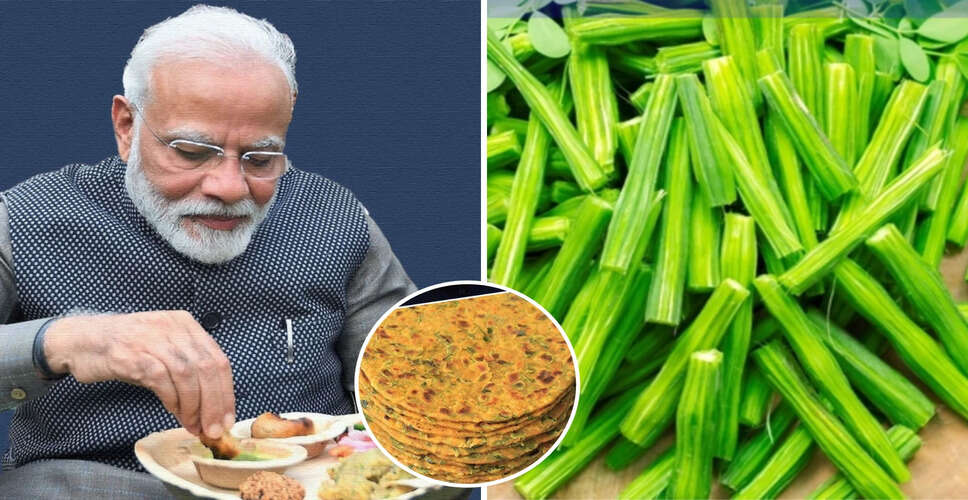
While Prime Minister Modi enjoys a variety of foods, he has expressed a particular fondness for Moringa parathas, consuming them two to three times a week, as revealed in a recent video. Today, on September 17, he celebrates his 75th birthday. Born in 1950 in Mehsana, Gujarat, Modi has emerged as one of the most influential leaders globally. He places significant emphasis on his fitness and diet, remaining active and healthy even at 75.
The Secret Behind His Energy
Discussions about Modi's health and fitness are common, with many curious about his daily diet and food preferences. His love for healthy eating includes nutritious parathas, which contribute to his vitality.
In the same video, he highlighted his preference for Moringa parathas, which he enjoys regularly. On this special occasion, let's explore the benefits of Moringa.
What is Moringa?
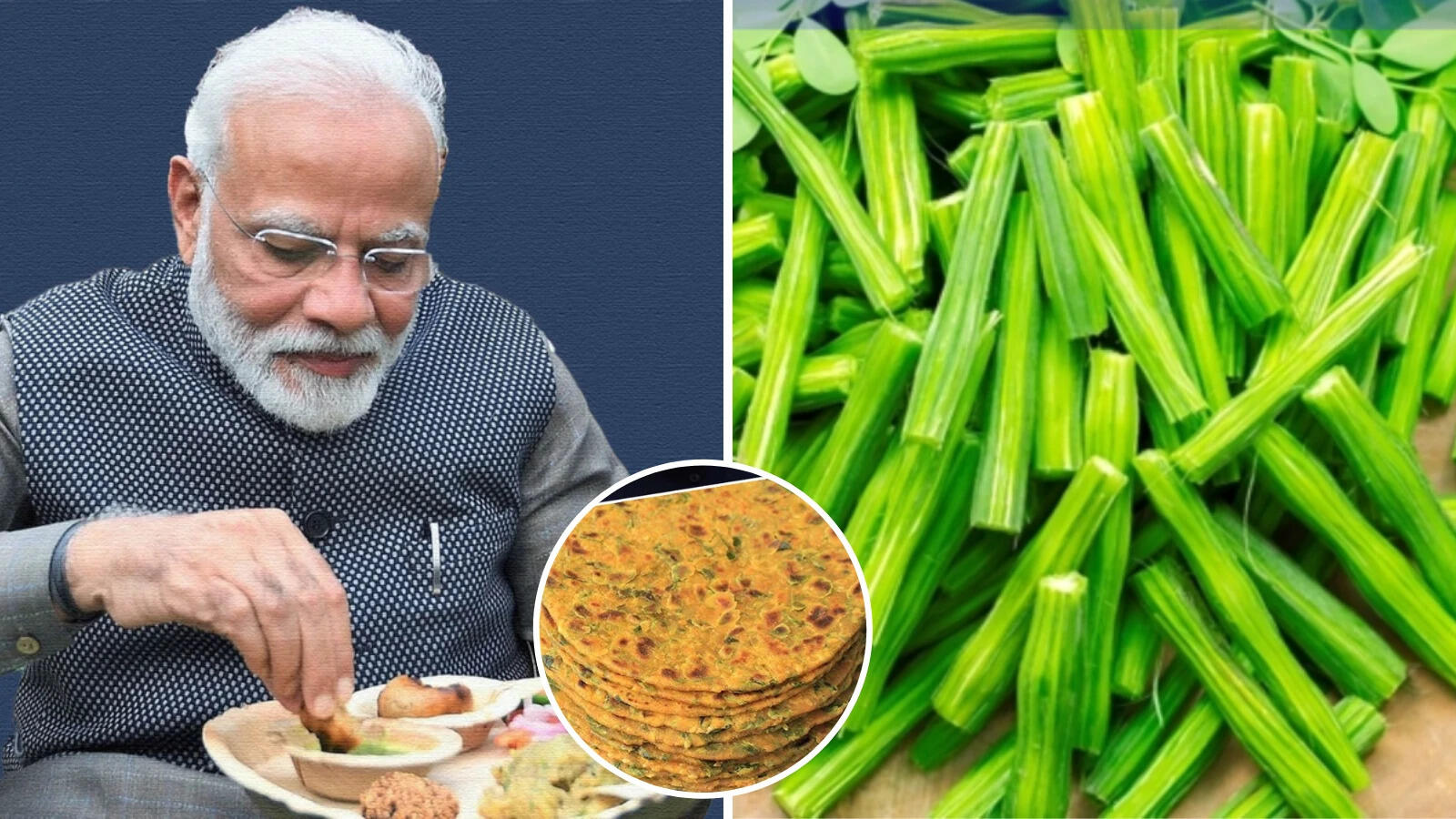
Moringa is widely used in southern India. Its pods are incorporated into soups, sambars, and various dishes. This tree is rich in antioxidants and anti-inflammatory properties, and has been utilized for centuries for its nutritional and medicinal benefits. All parts of the plant, including flowers, fruits, and leaves, are used. Nutritionally, Moringa is an excellent source of vitamins A, B1, B2, C, calcium, potassium, iron, magnesium, and phosphorus.
Health Benefits of Moringa
Moringa can assist with edema, a condition where excess fluid accumulates in body tissues, leading to swelling. A study indicated that applying Moringa seed oil reduced skin inflammation in mice. Additionally, it may alleviate digestive issues, with its leaves potentially protecting against colon cancer and providing mild laxative effects to relieve constipation.
Furthermore, Moringa may help prevent non-alcoholic fatty liver disease by reducing fat accumulation in liver cells. Animal studies have shown that Moringa extract can aid in reducing inflammation, potentially protecting against rheumatoid arthritis.
Moreover, Moringa contains a compound called Niaziminin, which may inhibit the growth of cancer cells. Research has indicated that various parts of the Moringa plant possess the ability to eliminate cancer cells.
For heart and brain health, Moringa contains Quercetin, which can help maintain cardiovascular health by lowering cholesterol and inflammation, thereby reducing the risk of heart disease. Its antioxidant properties may also protect against neurological disorders such as multiple sclerosis, Alzheimer's, depression, and nerve pain.
In terms of diabetes management, Moringa leaf extract may assist in regulating sugar and insulin levels. Some studies have shown it can protect organs from damage, although recent research on 40 diabetic patients found only minimal effects.
Additionally, Moringa can help alleviate asthma, reduce airway inflammation, and control blood pressure. It contains beta-carotene, essential for eye health, and is used in various regions to treat anemia and sickle cell disease.
Disclaimer
This article is intended for general informational purposes only and should not be considered a substitute for professional medical advice. Always consult your doctor for more information. The accuracy and effectiveness of this content are not guaranteed.