
PM Modi Urges UK to Combat Radical Ideologies Amid Growing Concerns
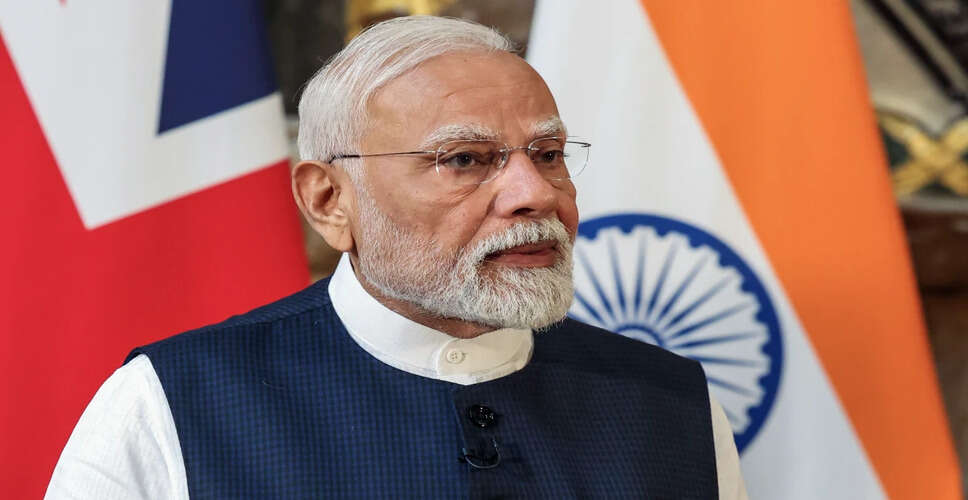
Modi's Strong Message to UK on Radicalism
On Thursday, Prime Minister Narendra Modi conveyed a clear message to his British counterpart, Keir Starmer, urging him to take action against radical ideologies that misuse democratic freedoms to undermine democracy. This statement comes in light of the increasing influence of pro-Khalistan supporters in the UK. Speaking in London after signing a free trade agreement, Modi expressed gratitude to Starmer and his government for their strong condemnation of the recent terrorist attack in Pahalgam. He emphasized that there is no place for double standards in the fight against terrorism.
Concerns Over Khalistani Activities
Following discussions with Starmer, Modi reiterated that both India and the UK agree on the necessity of a unified stance against terrorism. He thanked the British government for its firm condemnation of the Pahalgam attack, stating, 'We must not allow extremist forces to misuse democratic freedoms. Those who exploit democracy to weaken it must be held accountable.' India's concerns regarding pro-Khalistani activities in the UK have been escalating, particularly after the attack on the Indian High Commission in London in March 2023.
Strengthening Global Cooperation Against Terrorism
India has consistently raised its concerns about the activities of pro-Khalistani elements on British soil. During a media briefing, Foreign Secretary Vikram Misri noted that both nations share similar views on the activities of these extremist elements, which have increasingly posed a threat to the safety of diplomatic missions and personnel. Misri also mentioned that India has received cooperation from the UK on this issue. Modi stressed the importance of a robust response to the challenge of terrorism.
Bilateral Relations and Trade Agreement
Modi expressed appreciation for Starmer's condemnation of the Pahalgam attack, reiterating that there is no room for double standards in the fight against terrorism. It is believed that discussions also touched upon cross-border terrorism challenges. Misri stated that both leaders committed to strengthening the global fight against terrorism, highlighting that extremism poses a threat to society and that bilateral cooperation is essential to combat terrorism, radicalism, and extremism.
Historic Free Trade Agreement Signed
The dialogue between Modi and Starmer primarily focused on enhancing bilateral relations across various sectors, including trade, investment, defense, security, education, and clean technology. Both parties signed a historic free trade agreement aimed at boosting their economies, reducing tariffs on 99% of Indian exports, creating thousands of jobs, and lowering tariffs on British whiskey, cars, and other goods. This agreement, officially named the Comprehensive Economic and Trade Agreement (CETA), was signed in the presence of the Prime Ministers of India and the UK by Commerce Minister Piyush Goyal and British Trade Secretary Jonathan Reynolds.
Significance of the Meeting
During the bilateral meeting with Prime Minister Starmer, Modi remarked, 'This is our third meeting this year, which I consider very significant. The UK and India are natural partners. Today marks a historic day in our relations as we sign the free trade agreement and the Double Country Contribution Convention. This will pave a strong path for future generations of both India and the UK, adding a new chapter in trade and commerce.'