
PM Modi Urges Indians to Avoid Gold Purchases Amid Economic Crisis
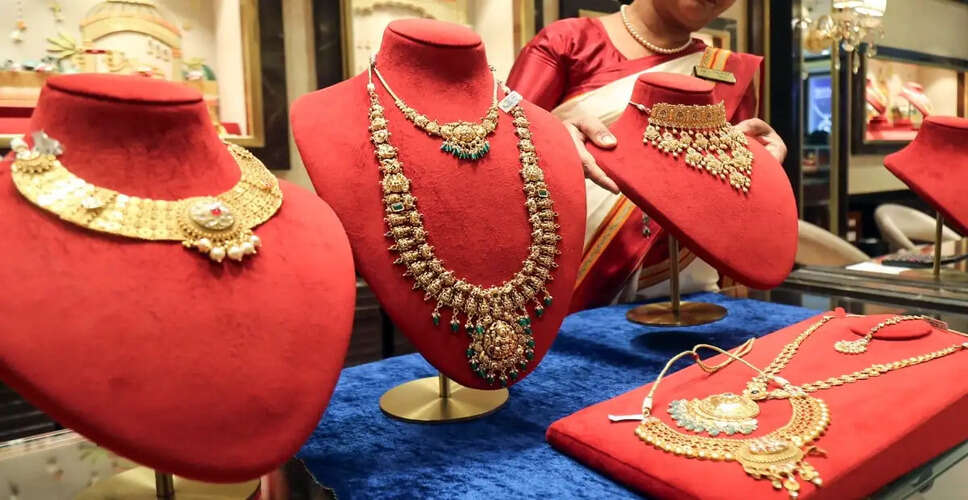

A Surprising Appeal from the Prime Minister
Prime Minister Narendra Modi's recent request for Indians to refrain from buying gold for weddings over the next year may initially seem unusual, especially in a nation where gold is deeply intertwined with tradition, savings, and family celebrations. However, this statement is rooted in significant economic concerns: the pressure on India's foreign exchange reserves amid a global energy crisis and a weakening rupee.
Rising Oil Prices and Economic Implications
This appeal came at a time when escalating tensions in the Middle East and the Strait of Hormuz, a crucial oil shipping route, have led to a sharp increase in crude oil prices. In recent weeks, global crude oil prices surged from approximately $70 per barrel to around $126 per barrel, significantly inflating India's import bill. Without announcing an immediate hike in fuel prices, PM Modi has consistently emphasized the need to reduce petrol and diesel consumption to conserve foreign currency.
The Prime Minister's Call to Action
"The cost of petrol and diesel has skyrocketed globally. It is our collective responsibility to save the foreign currency spent on these fuels by conserving them," stated PM Modi. However, it was another appeal that captured widespread attention: "I urge people not to buy gold for weddings for a year."
Why Gold Becomes a Concern During Oil Crises
From an economic perspective, there is a significant similarity between gold and crude oil for India: both are primarily imported and paid for in US dollars. India imports about 85% of its crude oil needs and is also one of the largest gold importers globally.
The Consequences of Rising Prices
When crude oil prices rise sharply and gold imports remain high, India requires a substantial amount of dollars to pay for these imports. This increases the demand for dollars in the currency market, putting pressure on the rupee. As one of the world's largest gold importers, India's import bill swells when oil prices rise, leading to a rapid outflow of dollars from the country's treasury.
Impact on the Rupee's Health
According to basic economic principles, an increase in demand for dollars results in a weaker rupee. The current account deficit (CAD) widens when earnings from exports fall short of spending on imports. High oil prices have already pushed the rupee to historic lows. If millions of Indian families simultaneously purchase gold, it further strains the foreign exchange reserves, posing risks to the country's economic stability.
Discretionary vs. Essential Spending
The government cannot completely halt oil imports as they are essential for transportation, industry, and electricity. However, gold is often viewed as discretionary spending. The strategy is to ensure that during this crisis, dollars are used for essential items like fuel rather than for gold, which can be postponed.
Lessons from Past Crises
This is not the first attempt to curb gold purchases. During the economic crisis of 2013, the government raised import duties on gold and promoted options like Sovereign Gold Bonds (SGB) to encourage digital investments instead of physical gold purchases, preventing dollar outflows.
The Cycle of Inflation
A weaker rupee not only increases the cost of oil and gold but also makes everything imported, such as electronics and medicines, more expensive. Reducing gold demand could help stabilize the rupee, which is crucial for controlling inflation within the country.
Saving as a Form of Patriotism
The Prime Minister's appeal was not solely about weddings; it conveyed a message of 'economic nationalism.' In light of the global uncertainty caused by the blockade of the Hormuz Strait and conflicts in the Middle East, citizens are being called upon to contribute to India's resilience. "While a family's spending may seem small, the collective savings of 1.4 billion people can serve as a shield for India's foreign exchange reserves."