
PM Modi Urges Citizens to Reduce Fuel Consumption Amid Global Oil Crisis
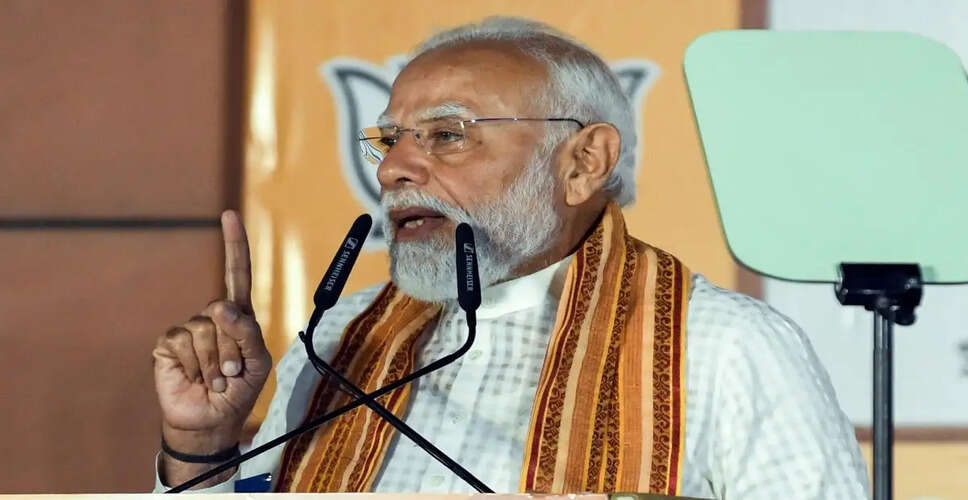

Prime Minister's Call for Work-from-Home
In light of the global oil crisis triggered by conflicts in the Middle East, Prime Minister Narendra Modi made a public appeal on Sunday for citizens to revisit 'work-from-home' practices. He urged people to minimize fuel consumption and suggested avoiding gold purchases for weddings over the next year to help conserve the country's foreign exchange reserves. These remarks came at a time when fuel prices have surged to record levels across various countries, including the United States and neighboring Pakistan, due to the impact of the Iran conflict. Speaking at an event in Secunderabad, he noted, "During the pandemic, we adapted to work-from-home, online meetings, and video conferences, and we became accustomed to these arrangements." He emphasized the need to prioritize these methods once again for the national interest.
Fuel Conservation Linked to National Interest
The Prime Minister's appeal coincides with rising tensions in West Asia and disruptions around the crucial shipping route of the Strait of Hormuz, which have driven global crude oil prices from approximately $70 to nearly $126 per barrel. Without explicitly announcing a price increase, PM Modi repeatedly stressed the importance of reducing petrol and diesel consumption. He stated, "Fuel prices have skyrocketed globally. It is our collective responsibility to save foreign currency spent on petrol and diesel by conserving fuel." In one of the key moments of his speech, he urged citizens to reconsider unnecessary expenditures as the country faces economic pressures from rising global energy prices, adding, "I appeal to people not to buy gold for weddings for a year."
Potential Fuel Price Hikes Before May 15
These comments come at a time when government and industry sources have indicated that India may soon see its first significant fuel price adjustment in nearly four years. Sources informed a media channel that petrol and diesel prices could rise before May 15, as oil marketing companies are grappling with substantial losses due to increasing crude oil prices. Indian Oil, Bharat Petroleum, and Hindustan Petroleum are reportedly incurring losses of around ₹30,000 crores each month. At current global oil prices, the government and oil companies are absorbing a burden of approximately ₹24 per liter for petrol and ₹30 per liter for diesel to shield consumers from the full impact of this crisis. If approved, petrol and diesel prices could increase by about ₹4-5 per liter, while domestic LPG cylinders might become costlier by ₹40-50.
Reducing Usage of Cooking Oil and Chemical Fertilizers
Expanding on his appeal for fuel conservation, PM Modi also urged citizens to reduce their use of cooking oil and encouraged farmers to lessen their reliance on imported chemical fertilizers. He remarked, "The same principle applies to cooking oil. We spend foreign currency on its imports. If every household reduces its cooking oil usage, it would be a significant contribution to patriotism, improving both the health of the nation's treasury and that of every family member." He linked the global crisis to India's agricultural imports, stating that the country incurs heavy expenses on fertilizers sourced from abroad. He added, "Another area that drains foreign currency is our agriculture. We import large quantities of chemical fertilizers. We should aim to halve our use of chemical fertilizers and shift towards natural farming. This way, we can save foreign currency and protect our fields and Mother Earth."
Global Conflict, Oil Shock, and India's Response
The escalating energy crisis is attributed to long-standing instability in the Middle East, which has disrupted shipping routes and raised concerns about global crude oil supply. Approximately 20% of the world's oil passes through the Strait of Hormuz, where conflicts have severely affected movement. While countries like Bangladesh have begun fuel rationing and Sri Lanka has reduced working days to cope with the crisis, India has managed to avoid fuel shortages and long queues at petrol stations. Authorities reported that India has increased LPG production from 36,000 tons per day to 54,000 tons, diversified crude oil imports from Russia, the US, and West Africa, and encouraged refineries to operate at over 100% capacity. The central government had previously reduced excise duties to provide relief to consumers amid rising international prices.