
PM Modi Takes Action to Protect Indian Citizens Amid West Asia Conflict
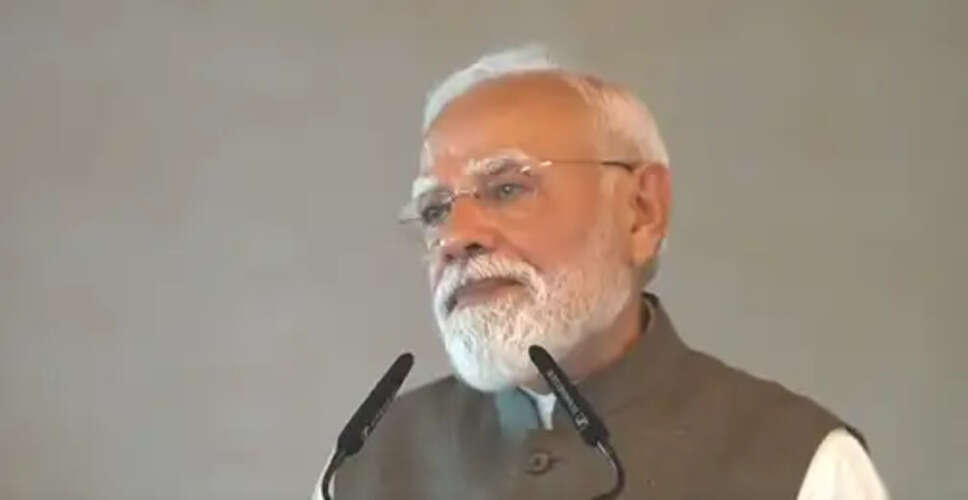

Cabinet Committee on Security Meeting Addresses Ongoing Crisis
New Delhi: During a recent meeting of the Cabinet Committee on Security (CCS), Prime Minister Narendra Modi emphasized the need to protect the interests of Indian citizens and the diaspora amid the ongoing conflict in West Asia.
The CCS convened to assess the current situation and review the actions taken by various ministries to ensure a steady supply of energy and fertilizers, as well as the safety of Indian seafarers, as stated in an official release following the meeting.
The Prime Minister directed that all necessary steps be taken to guarantee a consistent supply of fertilizers for the upcoming Rabi season, including exploring alternative sources.
The discussion also focused on the welfare of seafarers working on both domestic and foreign vessels in conflict areas. Modi instructed the establishment of a system to provide timely updates, emergency support, and counseling for seafarers and their families, especially in light of recent attacks on commercial ships in the Middle East.
Additionally, PM Modi stressed the importance of achieving energy independence by prioritizing renewable energy sources, such as solar power and other non-fossil fuel alternatives.
He advocated for a comprehensive government strategy to address the challenges posed by the crisis, urging the implementation of a coordinated mechanism for ongoing monitoring and swift action to protect citizens' interests.
The Cabinet Secretary provided an overview of the current geopolitical landscape, detailing measures taken to secure sufficient supplies of petroleum products, including LNG, LPG, and fertilizers. He noted that the diversification of LPG procurement sources has been successful, and the overall stock of major petroleum products remains stable.
Furthermore, he highlighted that the availability of crude oil has allowed Central Public Sector Enterprise (CPSE) refineries to operate at over 100% capacity, ensuring the continuous production of petrol, diesel, and other petroleum products. Efforts are also underway to expand Piped Natural Gas (PNG) connections, leading to a significant increase in availability.
The bureaucrat also mentioned that the government is promoting the industrial use of LPG through the expansion of the National Gas Grid, increasing LNG imports and regasification infrastructure, and enhancing City Gas Distribution networks, along with timely approvals for pipeline and last-mile connectivity under the Pipeline Infrastructure Order, 2026.