
PM Modi Launches Digital Portal and Global Standards for AYUSH Sector
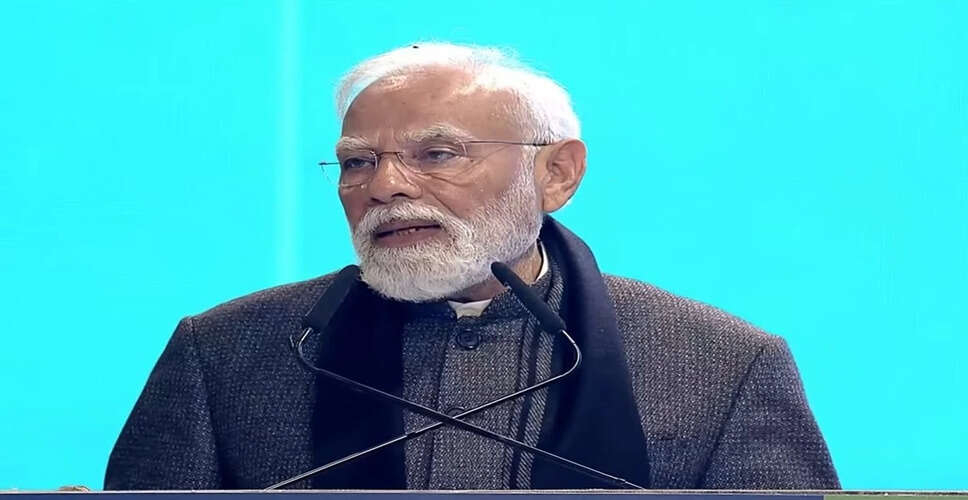
Historic Initiatives for AYUSH Sector Unveiled
Prime Minister Narendra Modi has inaugurated several groundbreaking initiatives for the AYUSH sector, including a master digital portal named My AYUSH Integrated Services Portal (MAISP) and the AYUSH Mark, envisioned as a global standard for the quality of AYUSH products and services. During the event, he noted that today marks the conclusion of the WHO's global summit on traditional medicine. Over the past three days, experts from around the world have engaged in meaningful discussions related to traditional medicine. Modi expressed his satisfaction that India is establishing a robust platform for this purpose, with active involvement from the WHO.
Acknowledgment of WHO and India's Role
Modi extended heartfelt gratitude to the WHO, the Ministry of AYUSH, and all participants for the successful event. He highlighted the pride of having the WHO's global center for traditional medicine established in Jamnagar, India. He recalled that during the first summit on traditional medicine in 2022, the world entrusted India with this significant responsibility. The Prime Minister emphasized that this summit serves as a unique platform for innovation, merging traditional and modern medical practices.
Strengthening Partnerships and Future of Traditional Medicine
The summit reflected strong partnerships through discussions on crucial topics and agreements. Key areas of focus included enhancing research, increasing the use of digital technology in traditional medicine, and establishing a regulatory framework that inspires global trust. Modi pointed out that yoga, an essential component of traditional medicine, has shown the world a path to health, balance, and harmony. He mentioned that due to India's efforts and collaboration with over 175 countries, the United Nations declared June 21 as International Yoga Day, witnessing yoga's global reach in recent years.
Inauguration of WHO Regional Office and Global Health Initiatives
Today, the inauguration of the WHO's Southeast Asia regional office in Delhi was also announced by the Prime Minister, describing it as a humble gift from India. This global hub will promote research, regulation, and capacity building. Modi emphasized that Ayurveda equates balance with health, stating that a person who maintains this balance is truly healthy. He noted that restoring balance is not just a global concern but a pressing necessity that requires swift action.
Addressing Modern Challenges in Health Care
Modi remarked on the significant lifestyle changes and the convenience of resources without physical labor, which pose unexpected challenges to human health. He stressed that traditional healthcare must not only address current needs but also consider future responsibilities. He acknowledged that safety and certification are natural concerns when discussing traditional medicine. India is actively working in this direction, as evidenced by the example of Ashwagandha, which has been used in traditional medicine for centuries. Its global demand surged during the COVID-19 pandemic, leading to its use in various countries. India is promoting Ashwagandha authentically through research and evidence-based validation.